Galaxy S21 FE 5G Vs iPhone SE (2020)

Galaxy S21 FE 5G
Galaxy S21 FE 5G
Starting at

Refurbished price:£123.00

Versus £759.00 new

See options
iPhone SE (2020)
iPhone SE (2020)
Starting at

Refurbished price:£67.00

Versus £289.00 new

See options

Ratings

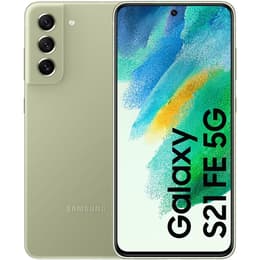
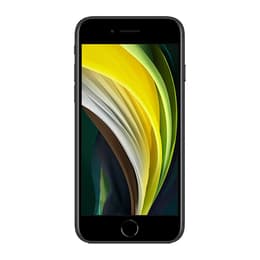
The Samsung Galaxy S21 FE 5G (2022) and the iPhone SE 2020 (2020) represent two distinct approaches to the smartphone experience. While the Galaxy model offers a modern, large-screen design with 5G capabilities, the iPhone SE provides a compact, classic form factor for those who prefer a smaller device. These phones operate on different ecosystems, Android and iOS respectively, meaning the choice depends on software preference. Both models continue to be popular choices for users seeking reliable performance without the complexity of the most recent flagship releases.

Scores

Durability

The two-year gap between their release dates significantly impacts their expected lifespan and software relevance in 2026.

  • Software longevity: The Galaxy S21 FE 5G, launched in 2022, generally receives security updates and operating system upgrades for a longer period compared to the older iPhone SE. By 2026, the iPhone SE 2020 is nearing the end of its official software support cycle, whereas the Galaxy model remains more current. Choosing an eco-friendly alternative like a quality-assured refurbished option can also ensure these devices continue to serve users well into the future.
  • Physical resilience: Both devices feature water and dust resistance ratings, though the Galaxy model uses a plastic rear panel which is less prone to shattering than the glass back of the iPhone SE.
  • Repairability: Both manufacturers have established repair networks, making it relatively straightforward to find replacement parts like batteries or screens for either model.

Year of Release

2022

2020

Compatible with latest Update

Yes

Yes

OS

Android

iOS

Foldable

No

No

Performance

Performance differences are most noticeable when multitasking or using demanding applications in a modern context.

  • System responsiveness: The Galaxy S21 FE 5G handles modern applications and heavy multitasking with ease, benefiting from a higher amount of temporary memory which allows more apps to stay open in the background. The iPhone SE 2020 remains responsive for daily tasks like messaging and browsing, but may struggle more with intensive modern apps.
  • Battery endurance: Users will find a significant difference in how long these devices last. The Galaxy model houses a much larger battery designed to power its larger screen through a full day of use. The iPhone SE 2020 has a smaller capacity, often requiring a midday charge for users who are frequently on their phones.
  • Storage flexibility: Both devices come in various internal storage capacities, though neither offers expandable storage via a memory card, requiring users to choose their capacity carefully at the start.

Memory (GB)

8 GB

3 GB

Screen quality

The viewing experience is perhaps the most immediate differentiator between these two smartphones for daily use.

  • Display technology: The Galaxy S21 FE 5G utilises an AMOLED display, which provides deep blacks and high contrast, making it well-suited for watching videos or viewing photos. The iPhone SE 2020 uses an LCD screen, which offers natural colours but lacks the deep contrast levels and energy efficiency found on the Samsung.
  • Smoothness and motion: With a higher refresh rate, the Galaxy model provides much smoother scrolling and animations compared to the standard rate on the iPhone SE. This makes navigating the interface feel more fluid and responsive.
  • Size and clarity: The 6.4-inch screen of the Galaxy offers significantly more space for reading and media than the 4.7-inch screen of the iPhone SE. The Galaxy also features a higher resolution and peak brightness, resulting in sharper text and better visibility when used outdoors.

Resolution

1080 x 2340

750 x 1334

Screen type

Dynamic AMOLED 2X

Retina IPS LCD

Audiovisual

Photography and media consumption habits will likely dictate which of these devices feels more capable.

  • Camera versatility: The Galaxy S21 FE 5G features a triple-lens system, including a dedicated zoom lens and an ultra-wide lens for capturing expansive landscapes. The iPhone SE 2020 relies on a single wide-angle lens, which takes high-quality photos in good lighting but lacks the flexibility for distant subjects or wide vistas.
  • Low-light performance: In darker environments, the Galaxy model uses advanced processing to pull more detail out of the shadows. The iPhone SE 2020 can struggle in low light, often producing images with more grain or less detail than its competitor.
  • Audio and video: Both devices offer stereo speakers for a clear audio experience and microphones that reduce background noise during calls. For video recording, both are capable of high-definition capture, though the Galaxy provides more software tools for professional-looking adjustments during filming.

Main camera

12 megapixels

12 megapixels

Front camera

32 megapixels

7 megapixels

Miscellaneous

Practical daily interactions differ based on the hardware design, connectivity standards, and physical dimensions.

  • Connectivity standards: The Galaxy S21 FE 5G supports the latest high-speed mobile networks and modern Wi-Fi standards, ensuring faster download speeds and better performance in crowded areas. The iPhone SE 2020 is limited to previous-generation 4G networks, which are still widely available but slower than the newer standard.
  • Biometric security: The Galaxy uses a modern fingerprint sensor hidden under the display or facial recognition for unlocking. The iPhone SE 2020 retains the classic home button with a physical fingerprint sensor, which many users find tactile and reliable.
  • Physical handling: The iPhone SE is significantly lighter and smaller, making it easy to use with one hand. The Galaxy is larger and heavier, which may require two hands for some tasks but provides a more immersive experience for media.

Weight

177 g

148 g

Screen size (in)

6.4

4.7

Mobile network

5G

4G

SIM card

Physical SIM

Physical SIM + eSIM

Carrier compatibility

Unlocked

Unlocked

User consensus highlights the distinct roles these devices play. The Galaxy S21 FE 5G is frequently praised for its vibrant, smooth display and its versatile camera system that rivals more expensive models. However, some users note that its larger size can be less portable and the plastic build feels different than glass-backed alternatives. The iPhone SE 2020 is lauded for its compact size and the familiarity of the home button, though the most common criticism involves its shorter battery life and the traditional design with larger borders around the screen.

Users who prioritise media consumption, 5G connectivity, and a modern aesthetic will likely find the Galaxy S21 FE 5G better suited to their needs. Conversely, those who prefer a small, pocketable device that is easy to operate with one hand may lean toward the iPhone SE 2020. Choosing a sustainable choice such as a refurbished model for either device helps reduce electronic waste while providing a reliable, tested smartphone. Ultimately, the decision rests on whether you value expansive, high-tech features or simple, compact efficiency. Both remain functional choices in 2026 for users seeking a practical smartphone experience.

See all articles

Our recent comparisons