
iPad Air 5 (2022, M1 series) Vs iPad Pro (2022, M2 series)

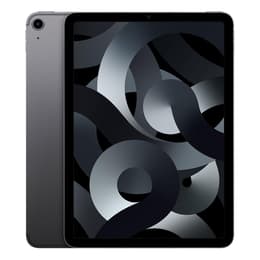
iPad Air 5 (2022, M1 series)
Starting at

Refurbished price:£272.00

Versus £669.00 new

See options
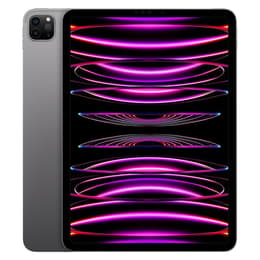
iPad Pro (2022, M2 series)
Starting at

Refurbished price:£410.40

Versus £899.00 new

See options

Ratings

The iPad Air 2022 and iPad Pro 2022 are both powerful tablets released by Apple in the same year, offering distinct capabilities for different user needs. While the iPad Air 2022 features the capable M1 chip, the iPad Pro 2022 steps up with the more advanced M2 chip, alongside enhancements in display technology and camera systems. Both devices run on Apple's iPadOS, providing a consistent software experience across the ecosystem.

Scores

Durability

Both the iPad Air 2022 and iPad Pro 2022 were released in the same year, meaning they benefit from a similar expected software support timeline from Apple.

  • Software Longevity: Apple is known for providing extended software updates for its devices, typically spanning 5-6 years from the release date. As both models launched in 2022, users can anticipate receiving major iPadOS updates for several years to come, ensuring continued access to new features and security enhancements.
  • Practical Lifespan: Given their robust internal components, both tablets are designed for a practical lifespan that extends beyond their software support. The quality of materials and Apple's ecosystem integration contribute to their long-term usability, making them suitable for sustained use.
  • Repairability: While specific repairability scores can vary, Apple devices generally offer a consistent level of repair support through authorized service providers. Both models are constructed with durable materials, including recycled aluminum enclosures, contributing to their overall resilience.

Year of Release

2022

2022

Compatible with latest Update

Yes

Yes

OS

iPadOS

iPadOS

Maximum Operating System supported

iPadOS 18

iPadOS 18

Performance

The core difference in performance between these two tablets lies in their processing power and available configurations, impacting how they handle demanding tasks.

  • Processing Capabilities: The iPad Air 2022 is equipped with a powerful processor that delivers smooth performance for everyday applications, multitasking, and even graphically intensive games. The iPad Pro 2022, however, features a next-generation processor that offers a noticeable boost in speed, particularly for professional workflows such as 3D design, advanced video editing, and complex augmented reality applications. This allows for faster rendering and more fluid operation in highly demanding software.
  • Storage and Memory: The iPad Air 2022 is available with 64GB or 256GB of internal storage, paired with 8GB of unified memory. The iPad Pro 2022 offers a wider range of storage options, from 128GB up to 2TB, and can be configured with either 8GB or 16GB of unified memory, with the higher memory option available on models with 1TB or 2TB storage. This expanded memory capacity on higher-end iPad Pro models can be beneficial for intensive multitasking and handling very large project files.
  • Battery Behavior: Both tablets are rated for up to 10 hours of web browsing or video playback on Wi-Fi. In real-world usage, battery life can vary based on the intensity of tasks, screen brightness, and cellular connectivity. Users engaging in continuous demanding activities, especially those leveraging the iPad Pro's advanced display features, might experience more rapid battery consumption.

Memory (GB)

8 GB

8 GB

Processor

Apple M1

Apple M2

Screen quality

The display is a significant differentiator, with the iPad Pro offering more advanced technology for visual professionals and enthusiasts.

  • Display Technology and Brightness: The iPad Air 2022 features a 10.9-inch Liquid Retina IPS display with 500 nits of brightness. The 11-inch iPad Pro 2022 also uses a Liquid Retina IPS display but offers a higher typical brightness of 600 nits. For those considering the larger 12.9-inch iPad Pro, it boasts a Liquid Retina XDR mini-LED display, providing up to 1000 nits of sustained brightness and a peak of 1600 nits for HDR content, delivering superior contrast and vibrant visuals.
  • Resolution and Clarity: Both the 10.9-inch iPad Air and the 11-inch iPad Pro offer similar pixel densities, resulting in sharp and clear text and images for typical viewing distances. The iPad Air has a 2360 x 1640 pixel resolution, while the 11-inch iPad Pro has a 2388 x 1668 pixel resolution.
  • Refresh Rate: A key distinction is the refresh rate. The iPad Air 2022 has a standard 60Hz refresh rate. The iPad Pro 2022 models, however, incorporate ProMotion technology, which provides an adaptive refresh rate up to 120Hz. This results in smoother scrolling, more responsive touch input, and a more fluid experience, particularly noticeable in fast-paced content or when using the Apple Pencil.

Resolution

2360 x 1640

2388 x 1668

True Tone

Yes

Yes

Pro-Motion

No

Yes

Screen type

Liquid Retina display

Liquid Retina XDR

Pixel density

264ppp

264ppp

Brightness

500 nits brightness

600 nits brightness max

Sound quality

Speakers

Stereo speakers

Four speaker audio

Audiovisual

The camera systems on these tablets cater to different levels of photographic and videographic needs, with the Pro model offering more advanced capabilities.

  • Rear Camera System: The iPad Air 2022 is equipped with a single 12-megapixel wide-angle rear camera capable of recording 4K video. The iPad Pro 2022 features a more versatile dual-camera setup on the rear, including a 12-megapixel wide-angle lens and a 10-megapixel ultra-wide lens, along with a LiDAR scanner. The LiDAR scanner enhances augmented reality experiences and improves autofocus in low-light conditions.
  • Front Camera and Video Features: Both tablets share a 12-megapixel ultra-wide front camera with Center Stage, which automatically keeps subjects in frame during video calls. The iPad Pro 2022 further distinguishes itself with the ability to capture ProRes video, offering higher quality footage for professional content creation, and features improved low-light performance.
  • Audio Experience: The iPad Air 2022 provides landscape stereo speakers for media consumption. The iPad Pro 2022 elevates the audio experience with a four-speaker audio system, delivering richer and more immersive sound, alongside studio-quality microphones for clearer audio recording and calls.

Miscellaneous

Beyond core performance and display, several practical features and design elements differentiate these two Apple tablets.

  • Connectivity and Ports: The iPad Air 2022 supports Wi-Fi 6 and Bluetooth 5.0, and features a USB-C port with USB 3.1 Gen 2 speeds, offering data transfer rates up to 10Gbps. The iPad Pro 2022 steps up with Wi-Fi 6E and Bluetooth 5.3 for faster and more stable wireless connections. Its USB-C port is Thunderbolt/USB 4 compatible, providing significantly faster data transfer speeds up to 40Gbps, which is beneficial for connecting high-bandwidth external accessories like monitors and storage.
  • Biometric Authentication: The iPad Air 2022 uses Touch ID, integrated into the top button, for secure authentication. The iPad Pro 2022 utilizes Face ID, Apple's facial recognition system, for unlocking and secure payments.
  • Design and Accessories: Both tablets feature an all-screen design with flat edges and are compatible with the second-generation Apple Pencil and Magic Keyboard. However, the iPad Pro 2022 introduces an Apple Pencil hover feature, allowing the pencil to be detected up to 12mm above the display, enabling new interactions and greater precision for creative tasks. The 10.9-inch iPad Air and 11-inch iPad Pro share very similar dimensions and weight, making them equally portable, while the 12.9-inch iPad Pro is larger and heavier.

Weight

461 g

466 g

Width

17.85 cm

17.85 cm

Height

24.76 cm

24.76 cm

Depth

0.61 cm

0.59 cm

Screen size (in)

10.9

11

Network

Wi-Fi

Wi-Fi

Carrier compatibility

Without SIM Port

Without SIM Port

Wi-Fi technology

Wi-Fi 6 802.11ax

Wi-Fi 6 802.11ax

Bluetooth Version

Bluetooth 5.0

Bluetooth 5.3

Face ID

No

Yes

Touch ID

Yes

No

Connector

USB Type-C

USB Type-C

User feedback often highlights the iPad Air 2022 as an excellent all-around tablet, praised for bringing high-end performance to a more accessible point. Many users find its M1 chip more than sufficient for daily tasks, content consumption, and even moderate creative work. Common praise points include its vibrant display, solid battery life, and compatibility with essential accessories. Some users, however, note the absence of a high refresh rate display as a minor drawback compared to more premium options.

The iPad Pro 2022, on the other hand, is frequently lauded for its exceptional power, advanced display, and professional-grade features. Users who engage in demanding tasks like graphic design, video editing, or 3D rendering often appreciate the M2 chip's performance and the ProMotion display's fluidity. The enhanced camera system with ProRes video capture and the Thunderbolt port are also significant advantages for creative professionals. Criticisms sometimes revolve around the perception that its full potential is not always utilized by average users, and that the performance gains over the M1 are not always dramatically noticeable for less intensive workloads.

For users prioritizing a balance of performance, portability, and a high-quality experience for general use, education, or light creative projects, the iPad Air 2022 is a well-suited choice. Its capabilities are robust enough for most daily demands. Conversely, users who require the absolute best in tablet performance, particularly for professional creative applications, advanced multitasking, or those who benefit from a high refresh rate display and enhanced connectivity, will find the iPad Pro 2022 better aligned with their needs. Both models offer a quality-assured refurbished option, providing an eco-friendly alternative for those seeking a powerful tablet.


See all articles

Our recent comparisons