Galaxy Z Flip5 Vs iPhone 14

Galaxy Z Flip5
Galaxy Z Flip5
Starting at

Refurbished price:£266.76

Versus £1,145.61 new

See options
iPhone 14
iPhone 14
Starting at

Refurbished price:£232.00

Versus £599.00 new

See options

Ratings

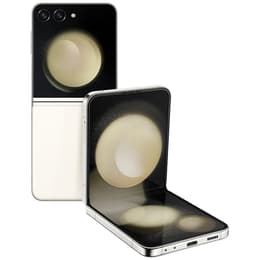
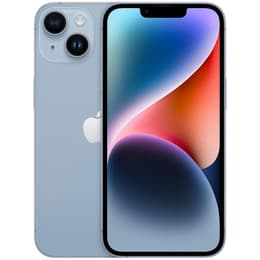
The Samsung Galaxy Z Flip5 (2023) and the Apple iPhone 14 (2022) represent two distinct philosophies in the modern smartphone market. While the iPhone 14 continues the legacy of the classic, reliable slab design that has defined the industry for over a decade, the Galaxy Z Flip5 pushes boundaries with its compact, foldable form factor. These devices cater to different user needs, with the iPhone focusing on a seamless, integrated ecosystem and the Galaxy offering a transformative physical experience.

Operating on iOS and Android respectively, these smartphones provide vastly different software environments. The iPhone 14 is built for those who value consistency and long-term stability, whereas the Galaxy Z Flip5 is designed for users who want to change how they interact with their technology. Choosing between them involves a careful look at how you use your phone daily, from how it fits in your pocket to how you capture photos and manage your digital life.

Scores

Durability

The Galaxy Z Flip5 and iPhone 14 offer different longevity profiles based on their release dates, physical construction, and manufacturer support commitments.

  • Software Longevity: The iPhone 14, launched in late 2022, typically receives software updates for approximately six years, ensuring it remains secure and functional well into the late 2020s. The Galaxy Z Flip5, arriving in 2023, comes with a promise of four generations of major operating system upgrades and five years of security patches, providing a comparable window of modern software support.
  • Structural Resilience: The iPhone 14 features a traditional glass and aluminium build with Ceramic Shield protection, known for its predictable durability over time. In contrast, the Galaxy Z Flip5 utilizes a sophisticated hinge mechanism and a flexible internal display; while engineered for high durability, the presence of moving parts and a folding screen requires more mindful handling than a standard smartphone.
  • Maintenance and Repair: The iPhone 14 was designed with an internal architecture that makes screen and back glass replacements more straightforward than previous generations. The Galaxy Z Flip5, due to its complex folding nature, requires specialised service for its internal display, though its external cover screen is as accessible as a standard phone display for repairs.

Year of Release

2023

2022

Compatible with latest Update

Yes

Yes

OS

Android

iOS

Foldable

Yes

No

Performance

Both devices handle demanding tasks with ease, though they manage power and multitasking differently to suit their specific form factors and operating systems.

  • System Responsiveness: The iPhone 14 provides a fluid experience when switching between apps and navigating the interface, maintaining consistent speed even with many background processes. The Galaxy Z Flip5 offers equally snappy performance, handling intensive mobile games and high-resolution video editing without noticeable lag, thanks to its modern, efficient internal hardware.
  • Battery Management: The iPhone 14 is known for its efficient power usage, often lasting a full day for moderate users on a single charge. The Galaxy Z Flip5 utilizes a dual-battery system to fit its folding frame; while it supports a full day of standard use, heavy users who frequently use the large internal screen might find themselves reaching for a charger sooner than they would with a traditional slab phone.
  • Multitasking Capabilities: With ample memory for modern applications, both phones allow for seamless transitions between work and play. The Galaxy Z Flip5 takes advantage of its folding screen to offer unique split-screen modes that allow users to run two apps simultaneously in a stacked view, while the iPhone 14 focuses on a streamlined, single-tasking efficiency that prioritises stability and ease of use.

Memory (GB)

8 GB

6 GB

Screen quality

The most significant visual difference lies in the display technology and the unique folding capability of the Samsung model compared to the Apple standard.

  • Visual Fluidity: The Galaxy Z Flip5 features a high refresh rate display that makes scrolling through social media and system animations appear exceptionally smooth. The iPhone 14 uses a standard refresh rate which, while consistent and clear, does not offer the same level of perceived fluid motion during fast-paced interactions or gaming.
  • Screen Versatility: The iPhone 14 provides a bright, sharp 6.1-inch OLED screen that is easy to read in direct sunlight and offers accurate colours for media. The Galaxy Z Flip5 counters with a larger 6.7-inch internal screen that folds in half, plus a functional 3.4-inch external "Flex Window" that allows users to check notifications, reply to messages, and run small apps without ever opening the device.
  • Clarity and Contrast: Both smartphones utilize advanced panel technology to deliver deep blacks and vibrant colours. The iPhone 14 is praised for its natural colour calibration and high peak brightness for outdoor use, whereas the Galaxy Z Flip5 offers a punchier, more saturated look that makes photos and videos stand out, alongside a flexible screen that can be positioned at various angles.

Resolution

1080 x 2640

1170 x 2532

Screen type

Foldable Dynamic AMOLED 2X

Super Retina XDR OLED

Audiovisual

Photography and media consumption are handled with high precision on both devices, though the Galaxy Z Flip5 offers unique shooting angles due to its hinge.

  • Photography Performance: The iPhone 14 excels in capturing natural-looking photos with excellent detail in various lighting conditions, particularly in its reliable "point-and-shoot" consistency. The Galaxy Z Flip5 provides a versatile dual-camera setup that allows for "Flex Mode" photography, where the phone acts as its own tripod for group shots, timed photos, or long-exposure night photography.
  • Video Recording: The iPhone 14 is widely regarded for its stable and high-quality video capture, offering smooth transitions and professional-grade results for casual creators. The Galaxy Z Flip5 also records high-definition video with great clarity, benefiting from the ability to hold the phone like a vintage camcorder when partially folded, which provides a more ergonomic grip for filming.
  • Audio and Media: Both phones feature stereo speakers that produce clear, balanced sound for watching movies or taking calls. The iPhone 14 offers a slightly fuller sound profile at higher volumes, while the Galaxy Z Flip5 provides a unique hands-free viewing experience by sitting upright on a flat surface, making it ideal for video calls or watching content without a stand.

Main camera

12 megapixels

12 megapixels

Front camera

10 megapixels

12 megapixels

Miscellaneous

Beyond the screens and cameras, the physical ports, connectivity, and biometric sensors define the daily user experience for these two smartphones.

  • Physical Connectivity: The iPhone 14 uses the proprietary Lightning port for charging and data transfer, which is common among Apple accessories. The Galaxy Z Flip5 utilizes the universal USB-C standard, allowing for broader compatibility with modern laptops, tablets, and third-party peripherals, making it easier to find a compatible cable in most environments.
  • Security and Access: The iPhone 14 relies on facial recognition technology for secure unlocking and payments, which works effectively even in low light or while wearing glasses. The Galaxy Z Flip5 features a capacitive fingerprint sensor built into the power button, providing a quick and tactile way to access the device whether it is folded or open.
  • Form and Portability: The iPhone 14 is a lightweight device at 172 grams, with a slim profile that fits comfortably in most pockets. The Galaxy Z Flip5 weighs 187 grams and is significantly more compact when folded, making it ideal for small pockets or bags, though it is roughly twice as thick as the iPhone when closed.

Weight

187 g

172 g

Screen size (in)

6.7 /3.4

6.1

Mobile network

5G

5G

SIM card

Physical SIM + eSIM

Physical SIM + eSIM

Carrier compatibility

Unlocked

Unlocked

User consensus from various tech forums and community discussions highlights the iPhone 14 as a "safe bet," frequently praised for its consistent battery life and the seamless integration of its software ecosystem. However, some users note that it feels like a minor iteration over previous models, lacking a sense of novelty. The Galaxy Z Flip5 receives significant praise for its innovative design and the utility of its large cover screen, which many find helps reduce screen time by allowing quick interactions without opening the phone. Conversely, some long-term users express caution regarding the long-term durability of the folding mechanism and the internal screen protector.

Users who prioritise a familiar, reliable experience with long-term software support and a robust accessory market may find the iPhone 14 better suited to their needs. This device is ideal for those who want a phone that "just works" without a learning curve. On the other hand, users who value portability, a larger screen for media, and a more modern, interactive design will likely lean toward the Galaxy Z Flip5. For those looking to make a sustainable choice, a quality-assured refurbished option for either device provides a way to access these technologies while reducing environmental impact. Choosing a refurbished model is an eco-friendly alternative that ensures you receive a high-performing device while contributing to a more circular economy. Ultimately, the decision rests on whether you prefer the proven stability of a traditional smartphone or the versatile innovation of a foldable one.

See all articles

Our recent comparisons