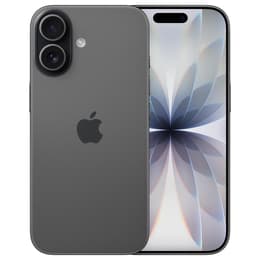

iPhone 16e Vs iPhone 17

iPhone 16e
iPhone 16e
Starting at

Refurbished price:£359.00

Versus £599.00 new

See options
iPhone 17
iPhone 17
Starting at

Refurbished price:£689.00

Versus £799.00 new

See options

Ratings

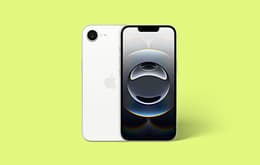
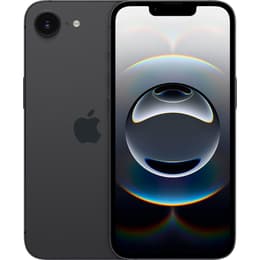
The iPhone 16E, released in early 2025, and the iPhone 17, launched in late 2025, represent two recent iterations of Apple's smartphone lineup. While both devices operate on Apple's iOS platform and offer a familiar user experience, the iPhone 17 introduces several notable advancements in display technology, camera capabilities, and overall system performance, building upon the solid foundation established by the iPhone 16E.

Scores

Durability

When considering the long-term usability of these devices, their release timelines and software support are key factors.

  • Release Timeline: The iPhone 16E was introduced in February 2025, making it a slightly older model compared to the iPhone 17, which debuted in September 2025. This difference in release dates means the iPhone 17 will likely receive software updates for a longer period.
  • Software Longevity: Both devices are expected to receive several years of iOS updates, typically extending for 4 to 5 years from their respective release dates. The iPhone 17, being newer, will benefit from an additional year or so of official software support, which can be a significant consideration for users planning to keep their device for an extended period.
  • Physical Durability: Both models feature robust construction. The iPhone 16E includes a Ceramic Shield front cover and an IP68 rating for water and dust resistance. The iPhone 17 enhances this with Ceramic Shield 2, which Apple states offers improved scratch resistance, alongside the same IP68 rating.

Year of Release

2025

2025

OS

iOS

iOS

Foldable

No

No

Performance

Both the iPhone 16E and iPhone 17 deliver responsive performance for daily tasks, though the newer model incorporates a more advanced processing unit.

  • Processing Power: The iPhone 16E is powered by an A18 chip, featuring a 6-core CPU and a 4-core GPU, which handles everyday applications, multitasking, and moderate gaming smoothly. The iPhone 17 steps up with an A19 SoC, which includes a 6-core CPU and a 5-core GPU, providing enhanced capabilities for more demanding applications, advanced computational tasks, and graphics-intensive gaming.
  • System Responsiveness: Users of the iPhone 16E report a quick and fluid experience, with apps opening without noticeable delay. The iPhone 17 offers a similarly smooth and responsive user interface, with its newer processor contributing to slightly faster overall operation and improved efficiency.
  • Storage Options: The iPhone 16E is available with 128GB, 256GB, and 512GB of internal storage. The iPhone 17 typically starts with 256GB of storage, with options for 512GB and potentially higher tiers, offering more base storage for users with extensive digital content.
  • Battery Behavior: The iPhone 16E offers substantial battery life, with users often reporting it lasting a full day or more with moderate usage, and up to 26 hours of video playback. The iPhone 17, despite a slightly larger display, also provides strong battery performance, with real-world usage often extending to 18-20 hours of moderate use and up to 30 hours of video playback, indicating efficient power management.

Memory (GB)

8 GB

8 GB

Screen quality

The display is a significant area of differentiation between these two iPhone models, impacting visual experience and interaction.

  • Display Technology and Size: Both devices feature Super Retina XDR OLED displays, offering deep blacks and vibrant colors. The iPhone 16E has a 6.1-inch display with a resolution of 2532x1170 pixels. The iPhone 17 features a slightly larger 6.3-inch display with a resolution of 2622x1206 pixels, providing a more expansive viewing area.
  • Refresh Rate and Smoothness: A key distinction is the refresh rate. The iPhone 16E maintains a standard 60Hz refresh rate. The iPhone 17 introduces ProMotion technology, offering an adaptive refresh rate that can scale up to 120Hz, resulting in noticeably smoother scrolling, more fluid animations, and a more responsive feel during gaming and fast-paced content consumption.
  • Brightness and Features: The iPhone 16E offers a typical brightness of 800 nits, peaking at 1200 nits for HDR content. The iPhone 17 significantly boosts brightness, reaching 1000 nits typical, 1600 nits peak for HDR, and an impressive 3000 nits peak for outdoor viewing, enhancing visibility in bright conditions. The iPhone 17 also incorporates the Dynamic Island and an Always-On display feature, which are absent on the iPhone 16E.

Resolution

2532x1170

2622x1206

Audiovisual

Both iPhones offer capable camera systems, but the iPhone 17 brings notable enhancements, particularly in its ultra-wide and front-facing cameras.

  • Main Camera System: The iPhone 16E features a single 48MP Fusion Main camera with an f/1.6 aperture and optical image stabilization, capable of capturing detailed photos in various conditions. The iPhone 17 also boasts a 48MP Fusion Main camera with optical image stabilization, and users report excellent image quality with accurate color reproduction.
  • Additional Lenses and Features: The iPhone 16E relies on digital cropping for its 2x telephoto capabilities and lacks a dedicated ultra-wide lens, macro mode, and advanced video features like Cinematic or Action mode. The iPhone 17 significantly upgrades its camera system by including a 48MP Ultra-wide lens, offering greater versatility for landscape and group shots.
  • Front Camera and Video: The iPhone 16E has a 12MP front camera. The iPhone 17 features an 18MP front camera with Center Stage, which intelligently adjusts to keep subjects in frame during video calls, and offers improved quality for selfies and video recording. Both models support 4K video recording.

Front camera

TrueDepth 12MP

18 megapixels

Miscellaneous

Beyond core specifications, several practical elements differentiate the user experience between these two devices.

  • Connectivity Standards: The iPhone 16E supports 5G and Wi-Fi 6E. The iPhone 17 upgrades to Wi-Fi 7 and Bluetooth 6, alongside 5G, offering faster and more reliable wireless connections.
  • Physical Ports and Charging: Both models feature a USB-C port for charging and data transfer. However, the iPhone 16E supports standard Qi wireless charging but omits MagSafe. The iPhone 17 includes MagSafe and Qi2 wireless charging, providing faster and more secure magnetic attachment for accessories.
  • Biometric Security and Design: Both devices utilize Face ID for secure authentication. The iPhone 16E retains a notch design for its TrueDepth camera system. The iPhone 17 adopts the Dynamic Island, a more integrated and interactive pill-shaped cutout that houses the front camera and Face ID sensors.
  • Build Materials and Handling: The iPhone 16E features an aluminum frame and a glass back. The iPhone 17 also uses an aluminum frame and a frosted glass back, with some users noting a slight increase in thickness and weight compared to its predecessor due to internal components.

Weight

167 g

177 g

Screen size (in)

6.1

6.3

Mobile network

5G

5G

SIM card

eSIM

Physical SIM + eSIM

Carrier compatibility

Unlocked

Unlocked

Connector

USB-C

USB-C

The iPhone 16E and iPhone 17 both offer compelling smartphone experiences, each catering to slightly different user priorities. The iPhone 16E is frequently praised by users for its excellent battery life, robust performance for everyday tasks, and a capable camera system that delivers good results for general photography. Common criticisms often point to its 60Hz display and the absence of MagSafe, which some users find to be a limitation compared to other contemporary models.

Conversely, the iPhone 17 receives significant acclaim for its upgraded display, featuring a 120Hz ProMotion refresh rate and Always-On functionality, which enhances the visual fluidity and user interaction. Its improved camera system, particularly the enhanced ultra-wide and front-facing cameras, is also a frequent highlight. Some user feedback indicates minor software quirks or a perceived lack of a significant performance leap for non-power users, and the base model still lacks a dedicated telephoto lens found in Pro variants.

Users prioritizing a smooth, high-refresh-rate display, advanced camera features like an ultra-wide lens and an improved front camera, and the latest connectivity standards like Wi-Fi 7, may find the iPhone 17 to be a more suitable choice. Its extended software support timeline also appeals to those seeking maximum longevity. For individuals who value exceptional battery endurance, solid everyday performance, and a reliable camera for general use, and who do not require the absolute latest display or camera technologies, the iPhone 16E remains a strong contender. Both devices offer a quality-assured experience, and considering a refurbished option for either model can be an eco-friendly alternative for making an informed purchasing decision.


See all articles

Our recent comparisons