
Smartphones
Compare models
Differences at a glance
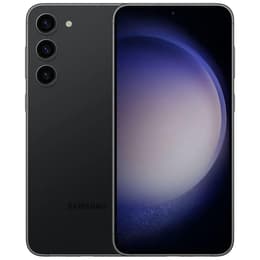
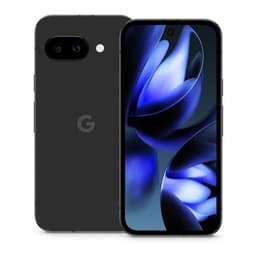
The Samsung Galaxy S23 Plus, released in February 2023, and the Google Pixel 9A, launched in April 2025, represent distinct approaches to the premium and mid-range smartphone segments, respectively. While both devices offer a robust Android experience, they differentiate themselves through their core hardware, camera philosophies, and software longevity commitments. The Galaxy S23 Plus emphasizes a powerful processing package and a versatile camera system, whereas the Pixel 9A focuses on advanced AI features, extended software support, and a streamlined user interface.
Colour
Storage
The longevity of a smartphone is influenced by its release date, software support, and physical durability. The Samsung Galaxy S23 Plus, launched in February 2023, benefits from Samsung's commitment to four major Android OS updates and five years of security updates, extending its software support until early 2028. The Google Pixel 9A, released in April 2025, offers an industry-leading seven years of OS updates, security updates, and Pixel Drops, ensuring software relevance well into the next decade.
Year of Release
Compatible with latest Update
OS
Foldable
Performance in modern smartphones is crucial for smooth multitasking, demanding applications, and responsive user interactions. The Samsung Galaxy S23 Plus is equipped with a high-performance processor designed for intensive tasks, offering substantial power for gaming and complex applications. The Google Pixel 9A, featuring Google's custom-designed processor, prioritizes efficient AI processing and a fluid everyday user experience, with a focus on optimizing software performance.
The display is a primary interface for smartphone interaction, and both the Galaxy S23 Plus and Pixel 9A offer vibrant viewing experiences, though with some key distinctions in technology and brightness. The Galaxy S23 Plus features a slightly larger display with Samsung's advanced AMOLED technology, while the Pixel 9A introduces a brighter panel for its series.
Resolution
Camera capabilities are a significant factor for many smartphone users, and both the Galaxy S23 Plus and Pixel 9A offer compelling photography experiences, albeit with different strengths. The Galaxy S23 Plus provides a versatile triple-camera setup, while the Pixel 9A focuses on computational photography with a dual-camera system.
Front camera
Beyond core performance and display, several practical elements contribute to the overall user experience of a smartphone. The Galaxy S23 Plus and Pixel 9A offer modern connectivity and authentication methods, differing in their physical design and additional features.
Weight
Screen size (in)
Mobile network
SIM card
Carrier compatibility
Connector
Choosing between the Samsung Galaxy S23 Plus and the Google Pixel 9A depends heavily on individual priorities and usage patterns. Users often praise the Galaxy S23 Plus for its powerful performance, vibrant display, and versatile camera system, particularly its telephoto lens. Some common feedback notes its premium build quality and consistent performance across various tasks. Conversely, the Pixel 9A receives acclaim for its exceptional software longevity, advanced AI features, and impressive computational photography, often highlighted for its ability to produce high-quality images with a simpler camera setup. Users appreciate its clean Android experience and the integration of Google's smart functionalities.
Users prioritizing raw processing power for gaming and demanding applications, along with a dedicated telephoto camera and a premium glass-and-metal build, may find the Galaxy S23 Plus a more suitable option. Its slightly larger display also caters to those who prefer more screen real estate. On the other hand, individuals who value long-term software support, cutting-edge AI features, and a focus on computational photography will likely lean towards the Google Pixel 9A. Its extended update policy ensures the device remains current for many years, making it a sustainable choice for those seeking an eco-friendly alternative. Both devices offer a compelling Android experience, but their distinct strengths cater to different user profiles, allowing for an informed purchasing decision based on specific needs.