
Google Pixel 9a Vs iPhone 14 Pro

Google Pixel 9a
Google Pixel 9a
Starting at

Refurbished price:£319.00

Versus £499.00 new

See options
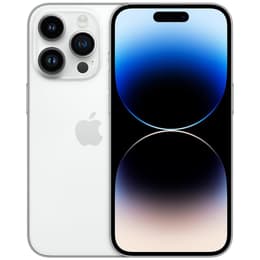
iPhone 14 Pro
iPhone 14 Pro
Starting at

Refurbished price:£304.00

Versus £1,099.00 new

See options

Ratings

The Google Pixel 9A, released in April 2025, and the Apple iPhone 14 Pro, launched in September 2022, represent distinct approaches to smartphone design and functionality. While the Pixel 9A aims to deliver a strong user experience with Google's latest AI advancements and a focus on software longevity, the iPhone 14 Pro offers a premium, high-performance package with advanced camera capabilities and a refined iOS ecosystem. Both devices operate on their respective proprietary operating systems, Android for the Pixel and iOS for the iPhone, offering different user interfaces and app experiences.

Scores

Durability

When considering the practical lifespan of these devices, several factors come into play, including software support, physical resilience, and ease of maintenance.

  • Release Timeline and Software Support: The Pixel 9A, being a newer device from April 2025, benefits from Google's commitment to seven years of software and security updates, extending its functional life well into the future. The iPhone 14 Pro, released in September 2022, typically receives iOS updates for approximately five to six years from its launch, meaning its software support will conclude sooner than the Pixel 9A's.
  • Physical Durability: Both smartphones feature an IP68 rating for dust and water resistance, providing protection against everyday elements. The iPhone 14 Pro incorporates Apple's Ceramic Shield front cover for enhanced screen resilience, while the Pixel 9A uses Corning Gorilla Glass 3.
  • Repairability Considerations: The iPhone 14 Pro initially received a favorable repairability assessment due to its internal redesign, but this score was later downgraded by iFixit due to software locks that complicate third-party repairs and parts pairing. Information regarding the Pixel 9A's specific repairability is less detailed, but Google generally supports repairs through authorized service centers.

Year of Release

2025

2022

Compatible with latest Update

Yes

Yes

OS

Android

iOS

Foldable

No

No

Performance

The performance of a smartphone is crucial for daily tasks, from navigating applications to engaging with demanding multimedia. These two devices offer different levels of processing power and memory configurations.

  • Processing Capabilities: The iPhone 14 Pro is equipped with a high-performance processor designed for flagship-level tasks, ensuring smooth operation, rapid app loading, and efficient handling of graphics-intensive applications and games. The Pixel 9A features Google's Tensor G4 processor, which provides a responsive experience for everyday use and leverages advanced on-device AI features, though it may not match the raw computational power of the iPhone's Pro-level chip for the most demanding tasks.
  • Multitasking and Storage: The Pixel 9A comes with 8GB of RAM, which is sufficient for typical multitasking and running multiple applications simultaneously. The iPhone 14 Pro includes 6GB of RAM, optimized by iOS for efficient memory management, providing a fluid user experience. Both devices offer various storage options, with the iPhone 14 Pro extending to a 1TB capacity, while the Pixel 9A is available in 128GB or 256GB configurations.
  • Battery Behavior: The Pixel 9A houses a larger 5100 mAh battery, designed to provide extended usage throughout the day, even for heavy users. The iPhone 14 Pro, with its 3200 mAh battery, is highly optimized by iOS and its efficient processor to deliver substantial battery life, often lasting a full day on a single charge for many users.

Memory (GB)

8 GB

6 GB

Screen quality

The display is a primary interface for any smartphone, and both the Pixel 9A and iPhone 14 Pro offer vibrant and clear viewing experiences, albeit with different specifications and features.

  • Display Technology and Clarity: The Pixel 9A features a 6.3-inch OLED display with a resolution of 1080x2424 pixels, delivering vivid colors and crisp details. The iPhone 14 Pro has a slightly smaller 6.1-inch Super Retina XDR OLED display with a higher resolution of 2556x1179 pixels, resulting in a slightly higher pixel density for sharper visuals.
  • Brightness and Refresh Rate: The Pixel 9A offers a 120Hz variable refresh rate for smooth scrolling and animations, alongside a peak brightness of 2700 nits, ensuring good visibility even in bright outdoor conditions. The iPhone 14 Pro also boasts a ProMotion display with an adaptive refresh rate up to 120Hz and an impressive peak outdoor brightness of 2000 nits, along with an Always-On display feature.
  • Unique Display Features: The iPhone 14 Pro introduces the Dynamic Island, an interactive area around the front camera cutout that adapts to display alerts, notifications, and background activities. The Pixel 9A, while offering a large and bright display, features more noticeable bezels around the screen.

Resolution

2424 x 1080

1179 x 2556

Audiovisual

Both devices offer advanced camera systems, each with strengths in different areas of photography and videography, catering to various user preferences.

  • Rear Camera Systems: The Pixel 9A is equipped with a dual-camera setup, featuring a 48MP primary sensor with optical image stabilization and a 13MP ultrawide lens. The iPhone 14 Pro features a more versatile triple-camera system, including a 48MP main sensor (utilizing a quad-pixel design), a 12MP ultrawide lens, and a 12MP 3x telephoto lens for optical zoom.
  • Photography Performance: The Pixel 9A excels in computational photography, leveraging Google's AI for impressive image processing, particularly in everyday and low-light conditions, and includes features like Macro Focus. The iPhone 14 Pro's camera system, enhanced by the Photonic Engine, delivers detailed and color-accurate photos across various lighting scenarios, with the ability to capture 48MP ProRAW images for greater editing flexibility.
  • Video and Audio Capabilities: The iPhone 14 Pro offers advanced video recording features, including 4K video capture at up to 60 frames per second, Cinematic mode for depth-of-field effects, and Action mode for stabilized footage. It also supports ProRes video for professional workflows. The Pixel 9A records 4K video and benefits from Google's video processing, though it may not offer the same breadth of advanced video features as the iPhone Pro model. Both devices provide clear audio recording for calls and media.

Front camera

13 megapixels

12 megapixels

Miscellaneous

Beyond core features, several practical elements contribute to the overall user experience, from connectivity to physical design.

  • Connectivity and Ports: The Pixel 9A supports Wi-Fi 6E and Bluetooth 6, offering modern wireless connectivity. The iPhone 14 Pro supports Wi-Fi 6 and Bluetooth 5.3. Both devices offer 5G cellular connectivity. The iPhone 14 Pro utilizes a Lightning port for charging and data transfer, while the Pixel 9A features a USB-C port.
  • Biometric Security and Sensors: The iPhone 14 Pro relies on Face ID for secure facial recognition. The Pixel 9A typically includes an in-display fingerprint sensor for biometric authentication. Both phones incorporate a range of sensors for features like navigation, ambient light detection, and motion tracking.
  • Physical Design and Handling: The Pixel 9A features a matte glass back and a brushed metal frame, with a design that foregoes a prominent camera bar for a flatter aesthetic. It weighs around 183 grams. The iPhone 14 Pro has a stainless steel frame and glass back, weighing 206 grams. The Pixel 9A's slightly larger screen is housed within a body that is marginally taller and wider than its predecessor, while the iPhone 14 Pro maintains a compact form factor.

Weight

186 g

206 g

Screen size (in)

6.3

6.1

Mobile network

5G

5G

SIM card

Physical SIM + eSIM

Physical SIM + eSIM

Carrier compatibility

Unlocked

Unlocked

Connector

USB-C

Lightning

The Google Pixel 9A and iPhone 14 Pro cater to different user priorities, reflecting their respective positions in the smartphone market. Users often praise the Pixel 9A for its exceptional software longevity, robust AI features, and strong computational photography, making it a compelling choice for those who value a long-supported Android experience with smart capabilities. Some common criticisms for the Pixel 9A include its slower charging speeds and the presence of thicker display bezels compared to some competitors.

The iPhone 14 Pro is frequently lauded for its powerful performance, premium build quality, advanced camera system with features like Cinematic and Action mode, and the innovative Dynamic Island. Its display is also highly regarded for its brightness and adaptive refresh rate. However, some users note its relatively slower charging compared to Android flagships and the limitations imposed by Apple's parts pairing for repairs.

Users prioritizing an extended software support timeline, a larger battery, and Google's unique AI-driven features within the Android ecosystem may find the Pixel 9A well-suited to their needs. Conversely, those who seek a highly refined user experience, top-tier camera versatility, and a powerful, compact device within the Apple ecosystem might lean toward the iPhone 14 Pro. Both devices offer a quality experience, and for those looking for a more sustainable choice, considering a quality-assured refurbished option for either model can be an excellent way to extend their lifecycle and reduce electronic waste.

See all articles

Our recent comparisons