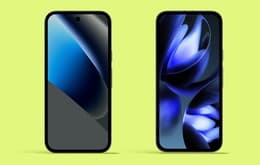


Google Pixel 7 Vs Google Pixel 9a

Google Pixel 7
Google Pixel 7
Starting at

Refurbished price:£134.00

Versus £729.00 new

See options
Google Pixel 9a
Google Pixel 9a
Starting at

Refurbished price:£319.00

Versus £499.00 new

See options

Ratings

The Google Pixel 7, released in October 2022, and the Google Pixel 9a, launched in April 2025, represent different generations within Google's smartphone lineup. While both devices offer a pure Android experience, the Pixel 9a introduces a more recent processor, an enhanced display, and extended software support, building upon the foundation laid by the Pixel 7.

Scores

Durability

When considering the practical lifespan of these devices, their release timelines and Google's software support policies are key factors.

  • Release Timeline: The Pixel 7, launched in late 2022, has been on the market for a longer period compared to the Pixel 9a, which debuted in mid-2025. This difference in release date directly impacts their remaining software support.
  • Software Longevity: The Pixel 9a benefits from Google's commitment to extended software support, offering seven years of both operating system and security updates from its release. The Pixel 7, while still receiving updates, typically follows an earlier policy of three years of OS updates and five years of security updates, meaning its support window will close sooner. [1, 4, 5, 14]
  • Repairability: Both models are designed with a focus on durability, featuring IP68 dust and water resistance. The Pixel 7 utilizes Gorilla Glass Victus for its front and back, while the Pixel 9a incorporates Gorilla Glass 3 for its display. [1, 5, 22]

Year of Release

2022

2025

Compatible with latest Update

Yes

Yes

OS

Android

Android

Foldable

No

No

Performance

The performance capabilities of the Pixel 7 and Pixel 9a are primarily driven by their respective internal components, influencing how smoothly they handle various tasks.

  • Processing Power: The Pixel 9a features a newer generation processor, which translates to more efficient handling of demanding applications, quicker app loading times, and smoother multitasking compared to the Pixel 7. [11, 17, 22]
  • System Responsiveness: Users of the Pixel 9a will generally experience a more fluid and responsive interface, especially when navigating complex menus or switching between multiple open applications. The Pixel 7 provides reliable performance for everyday tasks, but the newer model offers a noticeable step up in overall speed. [10, 25]
  • Battery Behavior: The Pixel 9a is equipped with a larger battery capacity, which typically results in longer usage times between charges for most users. While the Pixel 7 offers a respectable battery life for a full day of moderate use, the Pixel 9a is designed to provide extended endurance. [1, 5, 11, 22, 25]

Memory (GB)

8 GB

8 GB

Screen quality

The visual experience on both Pixel devices is delivered through their displays, with several distinctions impacting clarity, brightness, and smoothness.

  • Display Technology: Both the Pixel 7 and Pixel 9a feature OLED displays, known for their deep blacks and vibrant color reproduction. This technology ensures a rich viewing experience for media consumption and general use. [1, 5, 12, 25]
  • Resolution and Clarity: Both phones offer Full HD+ resolution, providing sharp and clear visuals for text, images, and videos. The Pixel 9a has a slightly higher pixel density due to its resolution on a similar screen size, contributing to fine detail. [1, 5, 11, 12, 25]
  • Brightness and Refresh Rate: The Pixel 9a boasts a higher peak brightness, making it more comfortable to view content outdoors or in brightly lit environments. It also features a more fluid 120Hz refresh rate, offering smoother scrolling and animations compared to the Pixel 7's 90Hz display. [1, 5, 15, 25, 28]

Resolution

1080 x 2400

2424 x 1080

Audiovisual

Both Pixel phones are recognized for their camera capabilities, leveraging Google's computational photography, though there are differences in their hardware and resulting image characteristics.

  • Main Camera System: The Pixel 7 features a 50-megapixel main sensor, while the Pixel 9a utilizes a 48-megapixel main sensor. Despite the numerical difference, the Pixel 9a's main camera has a wider aperture, which can allow it to capture more light, potentially improving low-light performance. [1, 5, 10, 28]
  • Ultrawide and Front Cameras: Both devices include an ultrawide lens for broader landscape shots. The Pixel 9a offers a 13-megapixel front-facing camera, providing slightly higher resolution for selfies and video calls compared to the Pixel 7's 10.8-megapixel front camera. [1, 5, 10, 28]
  • Video Recording and Audio: Both models are capable of recording high-quality video, with Google's software enhancements contributing to stable and clear footage. Microphone quality on both is generally clear for calls and recordings, and their stereo speakers provide a balanced audio experience for media. [1, 5]

Front camera

10.8 megapixels

13 megapixels

Miscellaneous

Beyond core specifications, several practical elements differentiate the user experience between the Pixel 7 and Pixel 9a.

  • Connectivity and Ports: Both devices support 5G connectivity for fast mobile data. The Pixel 9a features Bluetooth 6, a newer standard than the Pixel 7's Bluetooth 5.2, potentially offering improved efficiency and range with compatible accessories. Both utilize a USB-C port for charging and data transfer. [1, 22]
  • Biometric Security: Both phones incorporate an under-display optical fingerprint scanner for secure unlocking. The Pixel 7 also includes Face Unlock, providing an additional biometric option. [1]
  • Design and Handling: The Pixel 9a introduces a distinct design with a flat back panel and no prominent camera bar, which some users may find aesthetically pleasing and comfortable for one-handed use. The Pixel 7 features a more traditional camera bar design. Both are designed to be relatively compact and manageable. [7, 25, 28]

Weight

197 g

186 g

Screen size (in)

6.3

6.3

Mobile network

5G

5G

SIM card

Physical SIM + eSIM

Physical SIM + eSIM

Carrier compatibility

Unlocked

Unlocked

Connector

USB-C + Jack 3.5mm

USB-C

The Google Pixel 7 and Pixel 9a cater to users with varying priorities, reflecting their different release cycles and feature sets. Users frequently praise the Pixel 7 for its consistent camera performance and solid overall experience, particularly considering its earlier release. Some common criticisms for the Pixel 7 have included its battery life for heavy users and the 90Hz refresh rate, which, while smooth, is surpassed by newer devices. [10, 19]

The Pixel 9a, being a more recent release, often receives acclaim for its significantly extended software support, improved display brightness and refresh rate, and larger battery capacity. Its updated processor also contributes to a more responsive user experience. User feedback sometimes points to its charging speed as being slower compared to some competitors, and the shift in camera design might be a point of discussion for some. [7, 25]

Users prioritizing long-term software updates and a more modern, fluid display experience will find the Pixel 9a well-suited to their needs. Its enhanced performance and battery life also make it a strong contender for those who use their phone extensively throughout the day. Conversely, users who value a proven camera system and a device that still offers a strong Android experience, and who may not require the absolute latest in processing power or the longest software support, might consider the Pixel 7. Both devices offer a quality-assured refurbished option, providing an eco-friendly alternative for consumers seeking reliable technology.

See all articles

Our recent comparisons