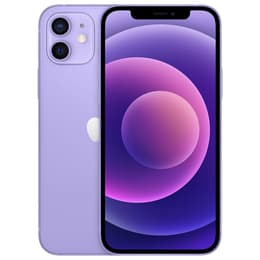

Google Pixel 7 Vs iPhone 12

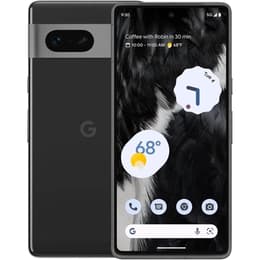
Google Pixel 7
Google Pixel 7
Starting at

Refurbished price:£136.00

Versus £729.00 new

See options
iPhone 12
iPhone 12
Starting at

Refurbished price:£141.00

Versus £649.00 new

See options

Ratings

The Google Pixel 7 (2022) and the iPhone 12 (2020) represent two distinct approaches to the modern smartphone experience. While the Pixel 7 showcases the integration of Google's hardware and software with a focus on photography and intelligent features, the iPhone 12 remains a foundational model in the iOS ecosystem, known for its consistent performance and long-term software support.

Understanding the practical differences between these two generations is essential for users deciding between a newer Android experience and an established iOS device. The Pixel 7 introduces more recent hardware innovations, whereas the iPhone 12 offers a familiar, reliable interface that has proven its longevity over several years. Both smartphones continue to be relevant choices for daily tasks, communication, and media consumption in the current mobile landscape.

Scores

Durability

The two-year gap between the release of the iPhone 12 and the Pixel 7 significantly influences their expected software lifecycles and long-term maintenance.

  • Software Longevity: The Pixel 7 is scheduled to receive security updates until at least 2027. The iPhone 12, despite its earlier launch, benefits from a history of extended support, with typical updates lasting six to seven years, suggesting a similar end-of-life window for major software versions.
  • Build Resilience: Both devices feature robust construction, with the iPhone 12 using a ceramic-infused glass front and the Pixel 7 employing high-strength glass on both sides. These materials are designed to withstand daily wear, though both benefit from protective cases to maintain their physical integrity over several years of active use.
  • Repairability Standards: Both manufacturers have made strides in providing repair documentation and parts. The iPhone 12 has a well-established network of service providers, while the Pixel 7 is designed with a modular approach to certain components, making common fixes like battery replacements manageable for professional technicians.

Year of Release

2022

2020

Compatible with latest Update

Yes

Yes

OS

Android

iOS

Foldable

No

No

Performance

Daily responsiveness and the ability to handle demanding applications vary between these devices due to their different internal architectures and memory management styles.

  • System Responsiveness: The Pixel 7 utilises hardware designed for intelligent task processing, which manifests in highly accurate voice-to-text and smooth navigation. The iPhone 12, while older, maintains a high level of fluidness in app transitions and remains capable of running modern mobile games and productivity tools without significant lag.
  • Multitasking Capabilities: With a higher amount of temporary memory, the Pixel 7 can keep more applications open in the background, which is beneficial for users who frequently switch between heavy tasks. The iPhone 12 manages its resources efficiently, ensuring that the active application receives priority.
  • Battery Endurance: Both devices are designed to last through a full day. The Pixel 7 has a larger physical capacity which supports its power-hungry features, while the iPhone 12 relies on software optimisation to ensure consistent battery performance throughout the day.

Memory (GB)

8 GB

4 GB

Screen quality

The visual experience on these smartphones is defined by their display technologies, which prioritise clarity and colour accuracy for different viewing environments.

  • Display Fluidity: The Pixel 7 features a higher refresh rate, which results in smoother scrolling and more fluid animations when navigating menus. The iPhone 12 uses a standard refresh rate that provides a consistent and stable visual experience, though it may appear less fluid when compared directly to higher-rate screens.
  • Outdoor Visibility: Both devices use advanced light-emitting diode technology that offers deep blacks and high contrast. The Pixel 7 is capable of reaching higher peak brightness levels, making the screen easier to read under direct sunlight, whereas the iPhone 12 provides ample brightness for most outdoor conditions.
  • Viewing Experience: The iPhone 12 offers a slightly more compact screen with high pixel density, ensuring sharp text and detailed images. The Pixel 7 provides a marginally larger viewing area, which can be preferable for watching videos or viewing documents, while maintaining a comfortable size for one-handed operation.

Resolution

1080 x 2400

1170 x 2532

Screen type

AMOLED

Super Retina XDR OLED

Audiovisual

Photography and media playback are central to both devices, with each manufacturer focusing on different aspects of the visual and auditory experience.

  • Photographic Capabilities: The Pixel 7 excels in computational photography, offering features that can sharpen blurred images or remove unwanted objects from the background with high precision. The iPhone 12 provides a very reliable camera system that produces natural colours and consistent exposure across various lighting conditions.
  • Video Production: For users who record a lot of video, the iPhone 12 offers high-quality recording with excellent stabilisation and colour range, which is often preferred for social media content. The Pixel 7 also provides strong video performance, with specific modes designed to create a more cinematic look through software-driven focus effects.
  • Audio Output: Both smartphones are equipped with stereo speakers that deliver clear sound for calls and media. The iPhone 12 is noted for its balanced sound profile at higher volumes, while the Pixel 7 provides a clear and loud output that is well-suited for speakerphone conversations.

Main camera

50 megapixels

12 megapixels

Front camera

10.8 megapixels

12 megapixels

Miscellaneous

Practical considerations such as connectivity, physical handling, and security sensors play a significant role in the daily user experience of these two models.

  • Biometric Security: The iPhone 12 uses facial recognition technology for secure unlocking and authentication, which works effectively in most lighting conditions. In contrast, the Pixel 7 employs an under-display fingerprint sensor, offering a different method of secure access that some users find more convenient.
  • Physical Handling: The iPhone 12 is notably lighter and features a flat-edge design that provides a secure grip, making it easy to handle for extended periods. The Pixel 7 is slightly heavier and has a more rounded frame, with a unique horizontal bar on the back that helps the device sit stably on tables.
  • Connectivity and Ports: Both devices support 5G networks for fast mobile data speeds. The Pixel 7 uses the widely adopted USB-C port for charging and data transfer, while the iPhone 12 uses the proprietary Lightning connector, requiring specific cables for its ecosystem.

Weight

197 g

164 g

Screen size (in)

6.3

6.1

Mobile network

5G

5G

SIM card

Physical SIM + eSIM

Physical SIM + eSIM

Carrier compatibility

Unlocked

Unlocked

Connector

USB-C + Jack 3.5mm

Lightning

The choice between the Google Pixel 7 and the iPhone 12 often comes down to a preference for specific software ecosystems and the importance of release timing. User discussions on community forums frequently highlight the Pixel 7 for its impressive photographic features and the helpfulness of its integrated AI tools, such as automated call screening and highly accurate voice typing. Conversely, the iPhone 12 is often praised for its enduring build quality and the seamless way it integrates with other devices in the same ecosystem, with many users noting that it still feels responsive several years after its initial launch.

Users who prioritise having the latest camera innovations and a smoother screen refresh rate may find the Pixel 7 to be the more suitable option for their needs. Those who value a lighter device with a proven track record of long-term software updates and a straightforward user interface will likely lean toward the iPhone 12. Both devices represent capable choices for professionals, students, and travellers who require a dependable smartphone for their daily routines.

Choosing a quality-assured refurbished option allows users to access these features while supporting a more circular economy. Both smartphones remain relevant in 2026, and opting for a sustainable choice helps extend the lifecycle of functional technology.
See all articles

Our recent comparisons