
Google Pixel 8 Pro Vs iPhone 16 Pro Max

Google Pixel 8 Pro
Google Pixel 8 Pro
Starting at

Refurbished price:£253.00

Versus £960.91 new

See options
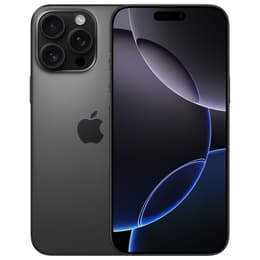
iPhone 16 Pro Max
iPhone 16 Pro Max
Starting at

Refurbished price:£658.00

Versus £1,199.00 new

See options

Ratings

The Google Pixel 8 Pro, released in October 2023, and the Apple iPhone 16 Pro Max, launched in September 2024, represent distinct approaches to high-end smartphone design and functionality. While both devices offer premium experiences, they differentiate themselves through their operating systems, camera philosophies, and overall ecosystem integration. The Pixel 8 Pro emphasizes advanced computational photography and AI-driven features within the Android environment, whereas the iPhone 16 Pro Max focuses on raw performance, a refined iOS experience, and a robust camera system.

Scores

Durability

When considering the long-term usability of these devices, both the Pixel 8 Pro and the iPhone 16 Pro Max offer substantial software support and robust build quality.

  • Software Longevity: The Google Pixel 8 Pro stands out with an impressive commitment to seven years of Android OS upgrades, security updates, and Feature Drops, extending its software support well into 2030. This commitment ensures the device remains current and secure for an extended period. The iPhone 16 Pro Max, running on iOS, typically receives 5-7 years of major OS updates, providing a similarly long lifespan for software features and security.
  • Physical Durability: Both smartphones feature premium materials and certifications for water and dust resistance. The Pixel 8 Pro incorporates Corning Gorilla Glass Victus 2 for screen protection, while the iPhone 16 Pro Max utilizes Apple's Ceramic Shield, known for its enhanced drop performance. Both devices carry an IP68 rating, indicating strong resistance to dust and water immersion.
  • Repairability: The iPhone 16 Pro Max has shown significant improvements in repairability, achieving a score of 7 out of 10 from independent assessments. This is attributed to a more modular design and easier access to components like the battery and cameras. The Pixel 8 Pro's repairability scores vary, with some assessments indicating a moderate level of difficulty, particularly for battery replacement due to strong adhesives. Google, however, has committed to providing spare parts for the Pixel 8 Pro for seven years, aligning with its software support.

Year of Release

2023

2024

Compatible with latest Update

Yes

Yes

Foldable

No

No

Performance

The performance of a smartphone is crucial for daily tasks, demanding applications, and overall user experience. Both devices are equipped with powerful internal components designed for smooth operation.

  • Processing Power: The Google Pixel 8 Pro is powered by Google's Tensor G3 processor, which is engineered to handle AI-centric tasks and everyday multitasking efficiently. It provides a responsive experience for app loading, navigation, and moderate gaming. The iPhone 16 Pro Max features Apple's A18 Pro chip, built on a 3-nanometer process, delivering substantial performance for intensive applications, advanced gaming, and professional-grade video editing.
  • Multitasking and Storage: The Pixel 8 Pro comes with 12GB of RAM, facilitating smooth transitions between multiple applications and handling complex workflows. Storage options range from 128GB up to 1TB. The iPhone 16 Pro Max is equipped with 8GB of RAM and offers storage configurations from 256GB to 1TB, providing ample space and efficient memory management for iOS.
  • Battery Behavior: The Pixel 8 Pro houses a 5050 mAh battery, generally providing all-day power for typical usage, with some users reporting 5-7 hours of screen-on time. The iPhone 16 Pro Max, with a 4685 mAh battery, has demonstrated exceptional endurance in various tests, often lasting significantly longer than its predecessor and competitive devices, with some reports indicating over 17 hours of continuous use.

Memory (GB)

12 GB

8 GB

Screen quality

The visual experience is a key aspect of modern smartphones, and both devices offer high-quality displays with distinct characteristics.

  • Display Technology and Clarity: The Google Pixel 8 Pro features a 6.7-inch QHD+ LTPO OLED display, offering a resolution of 2992 x 1344 pixels. This results in sharp images and text, with deep blacks and vibrant colors characteristic of OLED technology. The iPhone 16 Pro Max boasts a slightly larger 6.9-inch Super Retina XDR OLED display with a resolution of 2868 x 1320 pixels, providing excellent clarity and color accuracy.
  • Brightness and Refresh Rate: The Pixel 8 Pro's display can reach a peak brightness of 2400 nits, ensuring good visibility even in bright outdoor conditions. Its adaptive refresh rate ranges from 1Hz to 120Hz, optimizing power consumption while providing smooth scrolling and animations. The iPhone 16 Pro Max also features an adaptive ProMotion display with a 1-120Hz refresh rate, contributing to fluid visuals. Its display offers high brightness levels, making it suitable for various lighting environments.
  • Viewing Experience: The Pixel 8 Pro's flat display design offers a consistent viewing area. The iPhone 16 Pro Max, with its slightly larger screen and minimal bezels, aims to provide an immersive viewing experience, particularly beneficial for media consumption and productivity.

Resolution

1344 x 2992

1320 x 2868

Screen type

LTPO OLED

LTPO Super Retina XDR OLED

Audiovisual

Both the Pixel 8 Pro and iPhone 16 Pro Max are equipped with advanced camera systems, though they approach photography with different strengths.

  • Rear Camera Systems: The Google Pixel 8 Pro features a versatile triple-camera setup: a 50MP main sensor, a 48MP ultrawide lens with a 125.5-degree field of view, and a 48MP telephoto lens offering 5x optical zoom. It excels in computational photography, producing detailed and color-accurate images, especially in challenging lighting conditions. The iPhone 16 Pro Max also sports a triple-camera system, including a 48MP main sensor, a 48MP ultrawide camera, and a 12MP 5x telephoto lens. It is known for its consistent image quality, excellent video capabilities, and realistic color reproduction.
  • Low-Light and Video Performance: The Pixel 8 Pro's Night Sight mode is highly regarded for its ability to capture bright and detailed photos in very low light. It supports 4K video recording at up to 60 frames per second. The iPhone 16 Pro Max offers strong low-light performance across its lenses and is particularly noted for its advanced video recording features, including 4K Dolby Vision video at up to 120 frames per second and ProRes video recording, catering to users with higher video production needs.
  • Audio and Selfie Cameras: Both devices provide high-quality audio recording for videos and calls. The Pixel 8 Pro has a 10.5MP ultrawide front camera, which delivers clear selfies. The iPhone 16 Pro Max features a 12MP front camera, known for its sharp and well-exposed self-portraits and video calls.

Main camera

50 megapixels

48 megapixels

Front camera

10.5 megapixels

12 megapixels

Miscellaneous

Beyond the core features, several practical elements contribute to the overall user experience of these smartphones.

  • Connectivity and Ports: Both the Pixel 8 Pro and iPhone 16 Pro Max support 5G connectivity for fast mobile data. The Pixel 8 Pro includes Wi-Fi 7 and Bluetooth 5.3, along with a USB-C port for charging and data transfer. The iPhone 16 Pro Max also supports Wi-Fi 7 and features a USB-C port, aligning with modern connectivity standards.
  • Biometric Security: The Pixel 8 Pro offers both an under-display fingerprint sensor and Face Unlock for secure authentication. The iPhone 16 Pro Max relies on its advanced Face ID system for facial recognition, providing a secure and convenient unlocking method.
  • Design and Handling: The Pixel 8 Pro measures 162.6 x 76.5 x 8.8 mm and weighs 213 grams, featuring a flat display and a distinctive camera bar design. The iPhone 16 Pro Max is slightly larger and heavier at 163 x 77.6 x 8.25 mm and 227 grams, with a titanium frame and a large display that extends close to the edges. The choice between them often comes down to personal preference for size, weight, and aesthetic.

Weight

213 g

227 g

Screen size (in)

6.7

6.9

Mobile network

5G

5G

SIM card

Physical SIM + eSIM

Physical SIM + eSIM

Carrier compatibility

Unlocked

Unlocked

The Google Pixel 8 Pro and iPhone 16 Pro Max cater to users with distinct priorities, reflecting their respective ecosystems. Users often praise the Pixel 8 Pro for its exceptional computational photography, particularly its ability to produce vibrant and detailed images with minimal effort, and its long-term software support commitment. Its AI-driven features and clean Android experience are also frequently highlighted as strengths. Some users, however, have noted that while its processor is capable, it may not always match the raw performance benchmarks of its competitors in highly demanding tasks.

The iPhone 16 Pro Max is consistently lauded for its powerful performance, robust build quality, and industry-leading video recording capabilities. Its extended battery life is a significant draw for heavy users, and the refined iOS ecosystem provides a seamless and intuitive experience. Criticisms, when present, often revolve around the device's larger size and weight, which might not appeal to all users seeking a more compact form factor.

Users prioritizing an advanced, AI-integrated camera experience and a long-supported Android platform may find the Pixel 8 Pro well-suited to their needs. Conversely, those who value top-tier performance, extensive battery life, and a comprehensive video production toolkit within the Apple ecosystem will likely lean towards the iPhone 16 Pro Max. Both devices offer compelling features, and considering a quality-assured refurbished option for either model can be an eco-friendly alternative to purchasing new, allowing consumers to make informed and sustainable choices.


See all articles

Our recent comparisons