
Galaxy Z Fold5 Vs iPhone 12

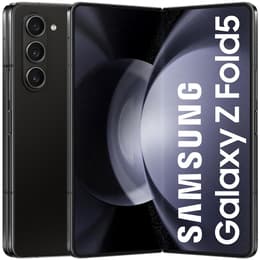
Galaxy Z Fold5
Galaxy Z Fold5
Starting at

Refurbished price:£413.00

Versus £1,770.61 new

See options
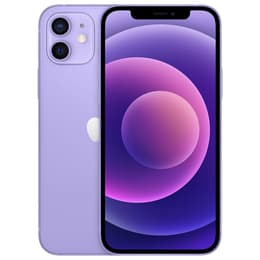
iPhone 12
iPhone 12
Starting at

Refurbished price:£139.00

Versus £649.00 new

See options

Ratings

The Samsung Galaxy Z Fold5, launched in 2023, and the Apple iPhone 12, released in 2020, represent two distinct eras and philosophies in smartphone design. While the Galaxy Z Fold5 is a modern foldable device that functions as both a phone and a compact tablet, the iPhone 12 is a traditional, flat-screen smartphone that prioritises simplicity and a familiar user experience. These devices operate on different platforms, with the Samsung utilizing the Android operating system and the Apple device running on iOS, each offering a unique ecosystem of applications and services.

The primary differentiator between these two models is their physical form factor and the resulting impact on how users interact with digital content. The Galaxy Z Fold5 is designed for those who require a large, expansive workspace for productivity and media, whereas the iPhone 12 caters to users who prefer a lightweight, pocket-friendly device that handles everyday tasks with ease. Despite the age gap between them, both smartphones remain relevant for different types of users in the current mobile landscape.

Scores

Durability

When evaluating how long these devices will remain functional and supported, the three-year age gap between them plays a significant role in their expected software longevity and physical durability.

  • Software Support: The Galaxy Z Fold5, being a 2023 release, is expected to receive major operating system updates and critical security patches until approximately 2028, ensuring it stays compatible with the latest apps for several years. In contrast, the iPhone 12 is approaching the later stages of its official support cycle, with software updates likely to conclude sooner given its 2020 launch date.
  • Physical Construction: The iPhone 12 features a solid, static design with a ceramic-hardened front glass and aluminium frame, making it resilient against standard wear and tear. The Galaxy Z Fold5 introduces more complexity with its internal folding screen and mechanical hinge; however, it incorporates advanced materials designed to withstand hundreds of thousands of folds throughout its operational life.
  • Repairability: Traditional smartphones like the iPhone 12 generally offer a more straightforward repair process for common issues like screen or battery replacements. The intricate internal layout and folding display of the Galaxy Z Fold5 require specialised tools and expertise, though both manufacturers have made strides in providing official repair pathways for their respective hardware.

Year of Release

2023

2020

Compatible with latest Update

Yes

Yes

OS

Android

iOS

Foldable

Yes

No

Performance

Performance capabilities differ significantly between these two models, largely due to the advancements in internal hardware that occurred in the years separating their respective releases.

  • Multitasking and Productivity: The Galaxy Z Fold5 is engineered for heavy multitasking, allowing users to run three applications simultaneously in a split-screen view without any noticeable lag or system slowdown. The iPhone 12, while highly responsive for single-task usage and switching between apps, is designed for a more linear workflow and does not support the same level of side-by-side application management.
  • System Responsiveness: Everyday tasks such as browsing the web, navigating social media, and launching system tools feel fluid on both devices. However, the Galaxy Z Fold5 benefits from more modern internal components that handle demanding mobile games and high-resolution video editing with greater ease, whereas a quality-assured refurbished option of the iPhone 12 remains a reliable choice for standard daily communication and media consumption.
  • Memory Management: With a much higher amount of temporary memory (RAM), the Galaxy Z Fold5 can keep dozens of background processes active, ensuring that apps stay exactly where you left them. The iPhone 12 manages its resources efficiently through software optimisation, but users may notice apps refreshing more frequently when switching between many open tasks compared to the newer Samsung model.

Memory (GB)

12 GB

4 GB

Screen quality

The display experience is perhaps the most striking area of contrast, as the Galaxy Z Fold5 offers a dual-screen setup compared to the single display of the iPhone 12.

  • Display Technology and Size: The iPhone 12 features a 6.1-inch OLED display that provides deep blacks and accurate colours, suitable for most handheld viewing. The Galaxy Z Fold5 offers a 6.2-inch outer screen for quick tasks and unfolds to reveal a massive 7.6-inch internal display, providing a tablet-like experience that is ideal for reading documents or watching cinematic content.
  • Smoothness and Motion: The Galaxy Z Fold5 utilizes a high refresh rate on both of its screens, which makes scrolling through lists and system animations appear exceptionally smooth. The iPhone 12 uses a standard refresh rate which, while consistent and clear, does not offer the same level of fluid motion found on the more modern Samsung panels.
  • Outdoor Visibility: Both devices are equipped with bright screens that remain legible under direct sunlight. The Galaxy Z Fold5 has a slight advantage in peak brightness levels, making it easier to view detailed maps or photos outdoors, while the iPhone 12 maintains excellent clarity and contrast for a device of its generation.

Resolution

1812 x 2176

1170 x 2532

Screen type

Foldable Dynamic AMOLED 2X

Super Retina XDR OLED

Audiovisual

Photography and video capabilities on these devices reflect their different intended uses, with one offering more versatility and the other focusing on consistent, high-quality basics.

  • Lens Versatility: The Galaxy Z Fold5 features a triple-camera system including a dedicated telephoto lens for optical zoom, allowing users to capture distant subjects without losing detail. The iPhone 12 utilizes a dual-camera system with wide and ultra-wide lenses, which is excellent for landscapes and group photos but lacks a dedicated lens for zooming in on far-away objects.
  • Image Processing: Samsung's approach often results in vibrant, punchy colours that are ready for social media sharing immediately. Apple's processing on the iPhone 12 tends to favour more natural tones and consistent exposure across different lighting conditions, which many users find preferable for realistic skin tones and balanced highlights.
  • Video and Audio: Both smartphones are capable of recording high-definition video with effective stabilisation to reduce camera shake. The Galaxy Z Fold5 offers more advanced manual controls for video enthusiasts, while the iPhone 12 is often praised for its "point-and-shoot" simplicity, delivering reliable video quality with minimal adjustment required from the user.

Main camera

50 megapixels

12 megapixels

Front camera

4 megapixels

12 megapixels

Miscellaneous

Practical considerations such as connectivity, physical handling, and biometric security further distinguish these two smartphones in daily use.

  • Biometrics and Security: The iPhone 12 uses a sophisticated facial recognition system located in the top notch of the screen for secure unlocking and payments. The Galaxy Z Fold5 employs a fast and reliable fingerprint sensor built into the power button on the side of the frame, which allows for quick access whether the device is folded or open.
  • Portability and Weight: There is a significant difference in how these devices feel in the hand or pocket; the iPhone 12 is notably thin and light, making it easy to use with one hand for extended periods. The Galaxy Z Fold5 is considerably heavier and thicker when closed, reflecting its more complex internal hardware and larger battery capacity.
  • Connectivity and Ports: Both devices support 5G networks for fast mobile data speeds and include modern Wi-Fi and Bluetooth standards. The Galaxy Z Fold5 uses a universal USB-C port for charging and data transfer, while the iPhone 12 features the proprietary Lightning port, which may require different cables for users transitioning from other electronics.

Weight

150 g

164 g

Screen size (in)

7.6

6.1

Mobile network

4G

5G

SIM card

Dual Physical SIM + eSIM

Physical SIM + eSIM

Carrier compatibility

Unlocked

Unlocked

Connector

USB-C

Lightning

In summary, the choice between the Galaxy Z Fold5 and the iPhone 12 depends largely on a user's specific needs and their preference for a particular software ecosystem. User consensus from various tech forums suggests that the Galaxy Z Fold5 is highly regarded for its transformative design and productivity features, though some users find its folded thickness and the visible crease on the inner screen to be minor trade-offs. The iPhone 12 is frequently praised for its enduring reliability, compact size, and the seamless integration of its operating system, even as it enters its sixth year of service. Some long-term users of the iPhone 12 have noted that battery performance may decrease over time, which is a common characteristic of older lithium-ion technology.

Users who prioritise a large screen for reading, intensive multitasking, or a cutting-edge hardware experience will likely find the Galaxy Z Fold5 to be the more suitable option. Conversely, those who prefer a straightforward, dependable smartphone that is easy to operate with one hand and fits comfortably in any pocket may lean toward the iPhone 12. Choosing a sustainable choice through refurbishment ensures that either device has been professionally inspected and is ready for continued use, providing a practical way to access these technologies.

Ultimately, the Galaxy Z Fold5 represents the future of versatile mobile computing, while the iPhone 12 stands as a testament to the longevity of a well-built traditional smartphone. Both devices offer distinct advantages, and the decision rests on whether you value the expansive workspace of a foldable or the proven simplicity of a classic design. By considering your daily habits and how you interact with your mobile device, you can select the model that best aligns with your personal or professional requirements.

See all articles

Our recent comparisons