iPhones
Compare models
Differences at a glance
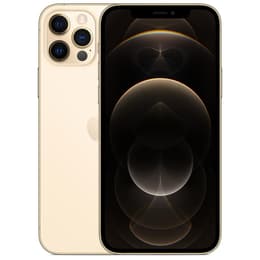
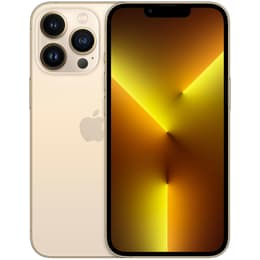
The iPhone 12 Pro (2020) and the iPhone 13 Pro (2021) are two iterations of Apple's high-end smartphone series that share a sophisticated design language while offering distinct internal advancements. Both devices feature a 6.1-inch display and a triple-lens camera system housed in a stainless steel frame, but the iPhone 13 Pro introduces significant improvements in screen fluidity and battery efficiency. Both smartphones run on the iOS operating system, ensuring a consistent and familiar user experience with access to the same ecosystem of applications and services.
While they may look nearly identical at a glance, the primary differences lie in the display technology and the camera's ability to capture light and detail in challenging conditions. This comparison explores how these technical shifts translate into real-world usage for professionals, photographers, and everyday users. Whether you are looking for a reliable daily companion or a tool for creative work, understanding these nuances will help you decide which model aligns with your specific requirements.
Colour
Storage (GB)
Both the iPhone 12 Pro and the iPhone 13 Pro are engineered for longevity, though their different release years naturally impact their long-term software support timelines.
Year of Release
Compatible with latest Update
OS
Foldable
While both smartphones provide a highly responsive experience, the iPhone 13 Pro offers refinements in power management and multitasking capabilities for demanding users.
The display technology represents one of the most noticeable differences between these two generations, particularly regarding how motion is rendered on the screen.
Resolution
Screen type
The camera systems on both devices are highly capable, but the iPhone 13 Pro introduces hardware changes that benefit low-light photography and close-up shots.
Main camera
Front camera
Beyond the core specifications, several practical factors regarding physical handling and connectivity influence the daily experience of using these smartphones.
Weight
Width
Height
Depth
Screen size (in)
Mobile network
SIM card
Carrier compatibility
Connector
In summary, the choice between the iPhone 12 Pro and the iPhone 13 Pro depends largely on how much you value display fluidity and battery life. User feedback on community forums often highlights the 120Hz ProMotion display of the iPhone 13 Pro as a significant upgrade that makes the entire interface feel more modern and responsive. Conversely, many users still praise the iPhone 12 Pro for its slightly lighter build and its ability to handle all modern applications without any noticeable lag. Some criticisms of the iPhone 12 Pro mention that its battery may require a mid-day top-up for very heavy users, while the iPhone 13 Pro is occasionally noted for its increased weight.
Users who prioritise a smoother visual experience for gaming and scrolling, or those who frequently take close-up macro photos, will find the iPhone 13 Pro is better suited to their needs. Those who prefer a thinner, lighter smartphone and do not require the latest video recording modes may find the iPhone 12 Pro to be a perfectly capable choice for their daily routine. Choosing a quality-assured refurbished option is an eco-friendly alternative that allows you to enjoy these premium features while supporting a more sustainable approach to technology. Both devices remain excellent examples of modern smartphone engineering, offering a balance of durability, performance, and high-quality photography for any user.