Galaxy S10 Vs iPhone 13 Pro

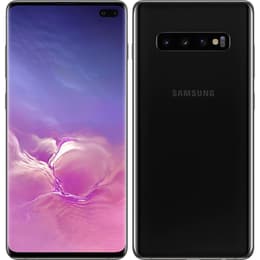
Galaxy S10
Galaxy S10
Starting at

Refurbished price:£108.00

Versus £639.00 new

See options
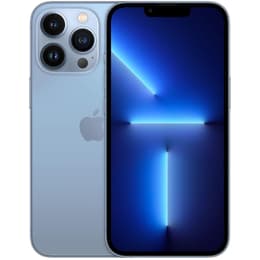
iPhone 13 Pro
iPhone 13 Pro
Starting at

Refurbished price:£232.00

Versus £949.00 new

See options

Ratings

The Samsung Galaxy S10, released in March 2019, is an Android-based smartphone that was part of Samsung's tenth-generation Galaxy S series. The iPhone 13 Pro, launched in September 2021, is an Apple iOS smartphone. These devices represent different generations and operating systems, offering distinct user experiences. The iPhone 13 Pro introduces a more advanced camera system, a higher refresh rate display, and enhanced durability features compared to the Galaxy S10.

Scores

Durability

The practical lifespan of a smartphone is heavily influenced by software support and physical durability. The Galaxy S10, being an older device, has reached the end of its regular software and security updates, while the iPhone 13 Pro continues to receive updates.

  • Release Timeline and Age: The Galaxy S10 was released in March 2019, making it significantly older than the iPhone 13 Pro, which launched in September 2021.
  • OS Support Duration: The Galaxy S10 received three major Android OS upgrades and its regular security updates have ended as of early 2023, with only critical security flaws being addressed if necessary. The iPhone 13 Pro, originally shipped with iOS 15, has received iOS 16, iOS 17, and is compatible with iOS 18, released in late 2024, indicating a longer period of software support.
  • Repairability: The Galaxy S10 received a low repairability score of 3 out of 10 from iFixit, primarily due to extensive use of adhesive and a soldered charging port. The iPhone 13 Pro received a repairability score of 5 out of 10, with iFixit noting that display and battery replacements are still doable, though display replacements can disable Face ID if not performed by authorized technicians.

Year of Release

2019

2021

Compatible with latest Update

No

Yes

OS

Android

iOS

Foldable

No

No

Performance

Performance in smartphones is crucial for daily tasks, from browsing to demanding applications. Both devices offer capable performance for their respective generations, but the newer iPhone 13 Pro benefits from more recent hardware advancements.

  • Processor Capabilities: The iPhone 13 Pro features a newer-generation processor with a 6-core CPU and a 5-core GPU, providing faster graphics performance and overall system responsiveness, making it well-suited for video apps, high-performance gaming, and new camera features. The Galaxy S10 is powered by an octa-core processor, capable of running most apps and games smoothly.
  • Multitasking and Responsiveness: The iPhone 13 Pro comes with 6GB of RAM, contributing to smooth multitasking and app handling. The Galaxy S10 typically offers 8GB of RAM, which also allows for efficient multitasking.
  • Battery Behavior: The iPhone 13 Pro offers significantly improved battery life compared to its predecessors, with users reporting it can last through a full day of heavy use, and the ProMotion display helps conserve power. The Galaxy S10's battery life is generally considered good for a full day of moderate use, though heavy users might find themselves needing to charge more frequently.

Memory (GB)

8 GB

6 GB

Screen quality

The display is a primary interface for smartphone interaction, and both devices offer high-quality viewing experiences, though with differences in technology and features.

  • Display Technology and Resolution: The iPhone 13 Pro features a 6.1-inch Super Retina XDR OLED display with a resolution of 2532 x 1170 pixels at 460 ppi, offering deep blacks and vibrant colors. The Galaxy S10 has a 6.1-inch Dynamic AMOLED display with a QHD+ resolution (3040 x 1440 pixels) at 550 ppi, also known for its vibrant colors and clarity.
  • Brightness and Outdoor Use: The iPhone 13 Pro's display has a typical maximum brightness of 1000 nits and a peak HDR brightness of 1200 nits, making it very bright and suitable for outdoor visibility. The Galaxy S10 also offers a bright display, contributing to good outdoor visibility.
  • Refresh Rate: A key differentiator is the iPhone 13 Pro's ProMotion technology, which provides an adaptive refresh rate ranging from 10Hz to 120Hz, resulting in smoother scrolling and more responsive interactions. The Galaxy S10 features a standard 60Hz refresh rate.

Resolution

1440 x 3040

1170 x 2532

Screen type

Dynamic AMOLED

Super Retina XDR OLED

Audiovisual

Camera capabilities are a significant factor for many users, and both the Galaxy S10 and iPhone 13 Pro offer versatile camera systems, with the iPhone 13 Pro benefiting from newer advancements in computational photography.

  • Camera System: The iPhone 13 Pro features a Pro 12MP camera system with Telephoto, Wide, and Ultra Wide lenses, including a 3x optical zoom telephoto lens and sensor-shift optical image stabilization for the Wide camera. The Galaxy S10 has a triple-lens rear camera system consisting of a 12MP wide-angle lens with dual aperture, a 12MP telephoto lens with 2x optical zoom, and a 16MP ultra-wide lens.
  • Photography Performance: The iPhone 13 Pro offers improved low-light performance, macro photography capabilities, and features like Cinematic Mode for video with depth-of-field effects. The Galaxy S10 takes excellent photos in good and mixed lighting conditions, with vibrant colors and good dynamic range, and its ultra-wide lens is useful for landscapes.
  • Video Recording: The iPhone 13 Pro supports 4K video recording at various frame rates, Dolby Vision HDR, and ProRes video recording for higher color fidelity. The Galaxy S10 also offers 4K video recording.

Main camera

12 megapixels

12 megapixels

Front camera

10 megapixels

12 megapixels

Miscellaneous

Beyond core features, several practical elements contribute to the overall user experience and daily usability of these smartphones.

  • Connectivity: The iPhone 13 Pro supports 5G connectivity, offering faster mobile data speeds where available, along with current Wi-Fi and Bluetooth standards. The Galaxy S10 supports 4G LTE and earlier Wi-Fi standards.
  • Ports and Sensors: The iPhone 13 Pro uses a Lightning port for charging and data transfer and relies on Face ID for biometric authentication. The Galaxy S10 features a USB-C port, a 3.5mm headphone jack, and an ultrasonic in-display fingerprint sensor for security.
  • Build Materials and Handling: The iPhone 13 Pro features a Ceramic Shield front cover and a matte glass finish on the back, with a stainless steel frame, contributing to its durability. The Galaxy S10 has a glass front and back (Gorilla Glass 6) with an aluminum frame. The iPhone 13 Pro weighs 204g and has dimensions of 146.7 x 71.5 x 7.65 mm. The Galaxy S10 weighs 157g and measures 149.90 x 70.40 x 7.80 mm.

Weight

175 g

203 g

Screen size (in)

6.1

6.1

Mobile network

4G

5G

SIM card

Physical SIM

Physical SIM + eSIM

Carrier compatibility

Unlocked

Unlocked

Connector

USB-C + Jack 3.5mm

Lightning

Users often praise the iPhone 13 Pro for its exceptional camera capabilities, particularly its low-light performance, macro mode, and cinematic video features. Many also highlight its significantly improved battery life, often lasting two days for moderate users, and the smooth, responsive experience provided by its ProMotion display. A common criticism, however, is the repairability, with some repairs potentially disabling features like Face ID if not done by authorized services.

The Galaxy S10, despite its age, is frequently commended for its vibrant AMOLED display, the inclusion of a 3.5mm headphone jack, and its overall design. Users appreciate its capable camera system for everyday photography and its reliable performance for general use. However, a recurring concern for the Galaxy S10 is its limited software update longevity, which has now ended, and its lower repairability score due to extensive adhesive use.

Users prioritizing a device with the latest camera technology, extended software support, and a highly fluid display will find the iPhone 13 Pro well-suited to their needs. Its robust battery life also makes it a strong contender for those who require long usage times between charges. Conversely, users who value a traditional headphone jack, an in-display fingerprint sensor, and a slightly lighter form factor might lean towards the Galaxy S10. For those considering either device, exploring quality-assured refurbished options can be an eco-friendly alternative to extend the life cycle of these products.

See all articles

Our recent comparisons