
Galaxy S20 5G Vs iPhone 13 Pro Max

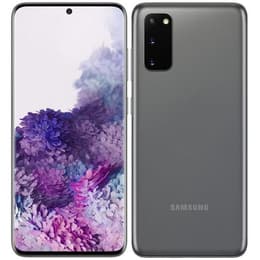
Galaxy S20 5G
Galaxy S20 5G
Starting at

Refurbished price:£132.00

Versus £899.00 new

See options
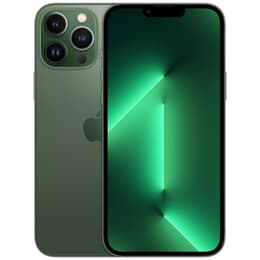
iPhone 13 Pro Max
iPhone 13 Pro Max
Starting at

Refurbished price:£272.00

Versus £1,259.00 new

See options

Ratings

The Samsung Galaxy S20 5G, released in February 2020, and the Apple iPhone 13 Pro Max, launched in September 2021, represent different generations and ecosystems within the smartphone market. While both devices offer premium experiences, they cater to distinct user preferences through their respective Android and iOS operating systems. Key differentiators include their display technologies, camera capabilities, and overall software longevity, reflecting their release timelines.

Scores

Durability

Evaluating the practical lifespan of these devices involves considering their release dates, software support, and physical resilience.

  • Release Timeline: The Galaxy S20 5G was released in February 2020, making it an older model compared to the iPhone 13 Pro Max, which launched in September 2021. This difference in release year directly impacts their remaining software support.
  • Software Longevity: Samsung typically provides three major Android OS updates and four to five years of security updates for its flagship devices. The Galaxy S20 5G, having launched with Android 10, received its last major OS update with Android 13, and its software support officially ended around March/April 2025. In contrast, Apple is known for extended software support, with the iPhone 13 Pro Max likely to receive iOS updates for several more years, potentially until iOS 20 or 21, extending its usable life significantly.
  • Repairability and Durability: Both devices feature glass fronts and backs, offering a premium feel but also susceptibility to damage from drops. The iPhone 13 Pro Max incorporates Ceramic Shield on its front, designed for enhanced drop performance. Repairability scores for the Galaxy S20 series have been noted as moderate to low, often due to strong adhesives and complex disassembly. While specific repairability scores for the iPhone 13 Pro Max are not universally cited, iPhones generally present challenges for DIY repairs.

Year of Release

2020

2021

Compatible with latest Update

No

Yes

OS

Android

iOS

Foldable

No

No

Performance

The performance of a smartphone is crucial for daily operations, from app usage to demanding tasks, and these two devices approach it with different hardware and software optimizations.

  • Processing Power: The iPhone 13 Pro Max features a more recent-generation processor, which translates to faster app loading times, smoother multitasking, and more efficient handling of graphically intensive games and applications. Users often report that the iPhone 13 Pro Max maintains its responsiveness even with heavy usage over time. The Galaxy S20 5G, while powerful at its release, utilizes an older generation processor (either the Snapdragon 865 or Exynos 990 depending on region), which still provides capable performance for most everyday tasks and many demanding applications, though it may show its age with the most recent, resource-intensive software.
  • Battery Behavior: The iPhone 13 Pro Max is widely recognized for its exceptional battery life, often lasting up to two days with moderate use, a significant improvement attributed to its larger battery capacity and efficient processor. The Galaxy S20 5G, with its 4000 mAh battery, generally provides a full day of use for most users, but enabling its high refresh rate display can notably reduce battery endurance.
  • Storage and Multitasking: The iPhone 13 Pro Max offers a wider range of internal storage options, including a 1TB variant, catering to users with extensive media and app libraries. The Galaxy S20 5G typically comes with 128GB of internal storage but includes a microSD card slot for expandable storage, offering flexibility for users who prefer physical storage expansion. Both devices are equipped with sufficient RAM to handle multiple applications running simultaneously, ensuring a fluid multitasking experience.

Memory (GB)

12 GB

6 GB

Screen quality

The display is a primary interface for smartphone interaction, and both devices offer high-quality viewing experiences with distinct characteristics.

  • Display Technology and Clarity: The iPhone 13 Pro Max features a 6.7-inch Super Retina XDR OLED display, known for its deep blacks, vibrant colors, and excellent contrast. The Galaxy S20 5G sports a 6.2-inch Dynamic AMOLED 2X display, which also delivers rich colors and strong contrast. Both displays offer high resolutions, resulting in sharp text and detailed images.
  • Refresh Rate: A significant difference lies in their refresh rates. The iPhone 13 Pro Max includes ProMotion technology, offering an adaptive refresh rate that can scale up to 120Hz for smoother scrolling and more fluid animations, and down to conserve battery. The Galaxy S20 5G also supports a 120Hz refresh rate, but this is typically limited to FHD+ resolution, with the display reverting to 60Hz at its maximum QHD+ resolution.
  • Brightness and Viewing Experience: Both phones offer high peak brightness levels, making them suitable for outdoor visibility. The larger screen size of the iPhone 13 Pro Max provides a more expansive canvas for media consumption and productivity tasks, while the Galaxy S20 5G offers a more compact form factor for easier one-handed use.

Resolution

1440 x 3200

1284 x 2778

Screen type

Dynamic AMOLED 2X

Super Retina XDR OLED

Audiovisual

Both smartphones are equipped with advanced camera systems designed to capture high-quality photos and videos, though they excel in different areas.

  • Camera System Configuration: The iPhone 13 Pro Max features a versatile triple 12MP camera system, including wide, ultrawide, and telephoto lenses, complemented by a LiDAR scanner for improved depth sensing and low-light focusing. The Galaxy S20 5G also has a triple camera setup, consisting of a 12MP wide, a 64MP telephoto, and a 12MP ultrawide lens.
  • Photography Performance: The iPhone 13 Pro Max is praised for its consistent image quality across all lenses, excellent low-light performance, and advanced computational photography features like Cinematic Mode for video and Photographic Styles. Its macro photography capabilities are also a notable addition. The Galaxy S20 5G delivers strong everyday photography with good detail and dynamic range, particularly with its main sensor. Its 64MP telephoto lens offers impressive zoom capabilities, including 3x hybrid optical zoom.
  • Video Recording and Audio: The iPhone 13 Pro Max offers high-quality video recording up to 4K at 60fps, with advanced stabilization and the unique Cinematic Mode for depth-of-field effects. The Galaxy S20 5G supports up to 8K video recording at 24fps, alongside 4K at 60fps, providing high-resolution video capture. Both devices offer good microphone quality for calls and video recording, and stereo speakers for a decent media consumption experience.

Main camera

12 megapixels

12 megapixels

Front camera

10 megapixels

12 megapixels

Miscellaneous

Beyond core features, several practical elements contribute to the overall user experience and differentiate these two devices.

  • Connectivity and Ports: Both phones support 5G connectivity, Wi-Fi 6, and Bluetooth 5.0, ensuring fast wireless communication. A key difference is their charging and data ports: the iPhone 13 Pro Max uses Apple's proprietary Lightning port, while the Galaxy S20 5G features a more universal USB-C port. Neither device includes a traditional 3.5mm headphone jack.
  • Biometric Security: The iPhone 13 Pro Max relies solely on Face ID for secure facial recognition. The Galaxy S20 5G offers an ultrasonic in-display fingerprint sensor and also supports facial recognition.
  • Design and Build: The iPhone 13 Pro Max is constructed with a Ceramic Shield front, textured matte glass back, and a stainless steel frame, contributing to its substantial weight of 240g. The Galaxy S20 5G features a glass front and back (Gorilla Glass 6) with an aluminum frame, resulting in a lighter device at 163g. Both devices carry an IP68 rating for dust and water resistance.

Weight

163 g

238 g

Width

6,91 cm

7,81 cm

Height

15,17 cm

16,08 cm

Depth

0,79 cm

0,76 cm

Screen size (in)

6.2

6.7

Mobile network

5G

5G

SIM card

Dual Physical SIM

Physical SIM + eSIM

Carrier compatibility

Unlocked

Unlocked

Connector

USB-C

Lightning

The Samsung Galaxy S20 5G and iPhone 13 Pro Max, while both premium smartphones, offer distinct advantages based on their ecosystems and design philosophies. User sentiment for the iPhone 13 Pro Max frequently praises its exceptional battery life, often described as a two-day phone, and its robust camera system, particularly for video and low-light photography. Some users, however, find its larger size and weight cumbersome. For the Galaxy S20 5G, common praise points include its vibrant display, expandable storage, and capable camera, especially its telephoto lens. Criticisms often revolve around its battery life, particularly when the 120Hz refresh rate is enabled at higher resolutions, and the ending of its software support.

Users prioritizing extended software support, industry-leading battery life, and a highly optimized video recording experience may find the iPhone 13 Pro Max aligns better with their needs. Its consistent performance and robust build are also strong considerations. Conversely, users who value the flexibility of expandable storage, the Android ecosystem, and a slightly more compact design might lean towards the Galaxy S20 5G. While its software support cycle has concluded, it remains a capable device for many everyday tasks. Both devices, especially as quality-assured refurbished options, present an eco-friendly alternative for consumers seeking premium smartphone features without purchasing new.

See all articles

Our recent comparisons