Compare models
iPhone 12 Vs iPhone 13 Pro
- 1-year minimum warranty
- Free delivery on all items
- Free 30-day returns
Differences at a glance
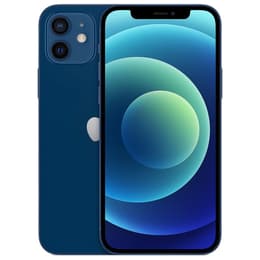
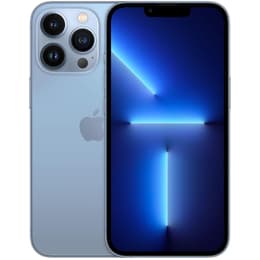
The iPhone 12, released in 2020, and the iPhone 13 Pro, launched in 2021, represent two distinct tiers within Apple's smartphone ecosystem. While they share a similar physical footprint and the same core operating system, they cater to different user needs through specific hardware capabilities. The iPhone 13 Pro introduces a high-refresh-rate display and a more advanced triple-camera system, whereas the iPhone 12 offers a streamlined, lightweight experience. Both devices continue to receive the latest software updates in 2026, ensuring a modern and secure user experience across both generations.
Available Models
Colour
Storage (GB)
Scores
Durability
The iPhone 13 Pro offers a slight advantage in long-term software support and physical resilience due to its later release date and updated internal hardware.
- Software Longevity: As the iPhone 13 Pro was released a year after the iPhone 12, it is expected to receive official operating system updates for at least one additional year, providing a longer functional lifespan for users who plan to keep their device for several seasons.
- Build Resilience: Both models feature a Ceramic Shield front and high water resistance ratings, but the iPhone 13 Pro uses a stainless steel frame which is more resistant to dents and scratches compared to the iPhone 12's aluminium frame.
- Repairability: Both devices follow a similar internal design philosophy, meaning that common repairs like screen or battery replacements are widely supported by professional technicians, though the iPhone 13 Pro's internal layout is slightly more complex due to its additional camera components.
Year of Release
2020
2021
Compatible with latest Update
Yes
Yes
OS
iOS
iOS
Foldable
No
No
Performance
While both smartphones handle daily tasks with ease, the iPhone 13 Pro provides a more responsive experience during intensive multitasking and demanding applications.
- System Responsiveness: The iPhone 13 Pro features more internal memory and a more efficient processor, which results in faster app switching and smoother performance when editing high-resolution video or playing graphics-heavy games compared to the iPhone 12.
- Battery Endurance: Users will find that the iPhone 13 Pro generally lasts longer on a single charge during typical use, such as web browsing or video playback, thanks to its more energy-efficient internal components and optimized power management systems.
- Storage Flexibility: The iPhone 13 Pro is available in much higher storage capacities, including a 1TB option, which is ideal for users who store large amounts of media locally, whereas the iPhone 12 tops out at a lower capacity suitable for standard usage.
Screen quality
The most noticeable visual difference between these two devices lies in how the screens handle motion and brightness in various lighting conditions.
- Motion Smoothness: The iPhone 13 Pro includes technology that allows the screen to refresh up to twice as fast as the iPhone 12, making scrolling through lists and system animations appear significantly more fluid and responsive to touch.
- Outdoor Visibility: While both use high-quality OLED panels for deep blacks and vivid colours, the iPhone 13 Pro can reach higher brightness levels, making it easier to read and view content when used directly under bright sunlight.
- Viewing Experience: Both screens offer the same 6.1-inch size and sharp resolution, but the iPhone 13 Pro features a slightly smaller notch at the top, providing a marginally more immersive feel when watching full-screen videos or playing games.
Resolution
1170 x 2532
1170 x 2532
Screen type
Super Retina XDR OLED
Audiovisual
The iPhone 13 Pro significantly expands the photographic and video capabilities over the iPhone 12 by adding specialized lenses and advanced software features.
- Optical Versatility: The iPhone 13 Pro includes a dedicated telephoto lens for 3x optical zoom, allowing users to capture distant subjects clearly, whereas the iPhone 12 relies on digital zoom which can lose detail.
- Macro and Low Light: With a larger main sensor and the ability to take extreme close-up macro photos, the iPhone 13 Pro excels in capturing fine textures and performs more reliably in dimly lit environments compared to the iPhone 12.
- Video Innovation: The iPhone 13 Pro introduces a cinematic mode that automatically shifts focus between subjects, providing a more professional look to home videos that the standard iPhone 12 video mode does not offer.
Main camera
12 megapixels
12 megapixels
Front camera
12 megapixels
12 megapixels
Miscellaneous
Beyond the core specifications, the physical feel and connectivity features of these two devices influence how they are handled in daily life.
- Weight and Handling: The iPhone 12 is notably lighter due to its aluminium construction, making it more comfortable for one-handed use over long periods, while the iPhone 13 Pro feels more substantial and heavy in the hand.
- Connectivity Standards: Both devices support 5G for fast mobile data and include MagSafe technology for easy attachment of magnetic accessories and wireless chargers, ensuring they remain compatible with modern peripherals.
- Biometric Security: Both models utilize facial recognition for secure unlocking and payments, which remains fast and reliable across both generations, though the iPhone 13 Pro's sensor array occupies a slightly smaller area on the display.
Weight
164 g
203 g
Width
7.15 cm
7,15 cm
Height
14.67 cm
14,67 cm
Depth
0.74 cm
0,76 cm
Screen size (in)
6.1
6.1
Mobile network
5G
5G
SIM card
Physical SIM + eSIM
Physical SIM + eSIM
Carrier compatibility
Unlocked
Unlocked
Connector
Lightning
Lightning
What the community thinks
According to user discussions on various tech forums, the iPhone 12 is frequently praised for its lightweight design and comfortable ergonomics, with many users finding it the ideal size for daily portability. However, some users note that its battery life may require more frequent charging during heavy use. Conversely, the iPhone 13 Pro receives high marks for its exceptionally smooth screen and the versatility of its triple-camera system, though some find the added weight of the stainless steel frame noticeable in their pockets.
Users who prioritize a lightweight device for standard tasks like social media, messaging, and casual photography may find the iPhone 12 perfectly suited to their needs. On the other hand, users who frequently take photos, record high-quality video, or spend significant time gaming will likely prefer the iPhone 13 Pro for its advanced display and longer-lasting battery. Choosing a quality-assured refurbished option for either model is a sustainable choice that helps reduce electronic waste while providing a device that has been thoroughly tested for performance. Ultimately, the decision rests on whether the smoother screen and extra camera lenses of the Pro model align with your specific daily habits and creative requirements.