iPhones
Compare models
Differences at a glance
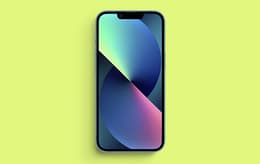
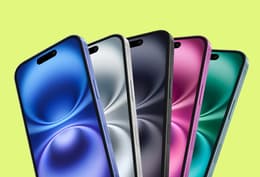
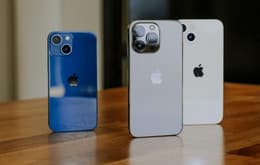
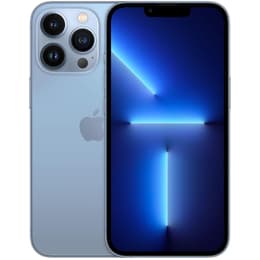
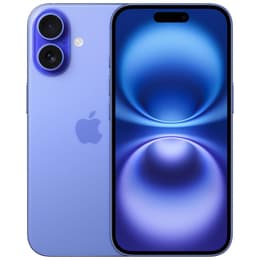
The iPhone 13 Pro (2021) and the iPhone 16 (2024) represent a choice between a former top-tier flagship and the latest standard model. While they share the same 6.1-inch footprint, they cater to different priorities: one focuses on professional-grade display and zoom capabilities, while the other introduces modern connectivity and the latest internal architecture. Both run iOS, ensuring a familiar interface, though the iPhone 16 supports the latest software innovations for longer.
Colour
Storage
The iPhone 13 Pro was released in late 2021, making it three years older than the iPhone 16, which arrived in 2024, a factor that directly impacts software longevity.
Year of Release
Compatible with latest Update
Foldable
The performance gap between these two models is defined by how they manage demanding tasks and background processes over a typical day of use.
The display experience is one of the most significant areas of divergence between these two 6.1-inch devices, affecting both smoothness and visibility.
Resolution
Screen type
The camera systems reflect different philosophies: the iPhone 13 Pro offers more physical lenses, while the iPhone 16 relies on advanced software and a high-resolution main sensor.
Main camera
Front camera
Physical changes and connectivity standards mark the transition from the 2021 era to the 2024 era, impacting daily convenience and handling.
Weight
Screen size (in)
Mobile network
SIM card
Carrier compatibility
Connector
User feedback from various tech communities highlights a clear divide in preference based on specific needs. Many users on forums praise the iPhone 13 Pro for its 120Hz display, noting that the smoothness of the screen makes the device feel modern even years after its release. However, some long-term owners mention that the battery health on older units may require more attention. Conversely, early adopters of the iPhone 16 appreciate the lighter weight and the convenience of the USB-C port, though some miss the dedicated zoom lens found on Pro models.
The choice between these two devices depends largely on what a user prioritises in their daily routine. Users who prioritise a smooth screen experience and need a dedicated zoom lens for photography will find the iPhone 13 Pro to be a highly capable companion. On the other hand, users who prioritise long-term software support, the latest charging standards, and a lighter device for one-handed use will likely lean toward the iPhone 16. For those looking to make a sustainable choice, opting for a quality-assured refurbished model allows for the enjoyment of high-end features while reducing environmental impact. Ultimately, both smartphones offer a reliable experience, with the iPhone 13 Pro standing as a testament to flagship durability and the iPhone 16 representing the current standard of modern mobile technology.