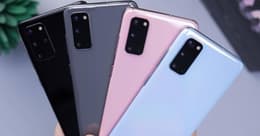
Galaxy S20 5G Vs iPhone 15 Pro

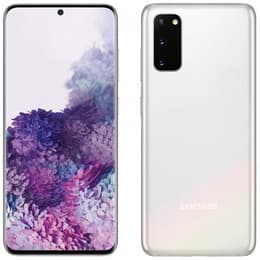
Galaxy S20 5G
Galaxy S20 5G
Starting at

Refurbished price:£133.00

Versus £899.00 new

See options
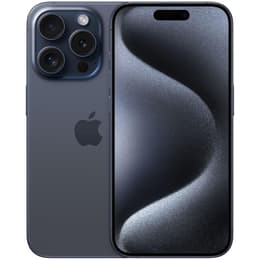
iPhone 15 Pro
iPhone 15 Pro
Starting at

Refurbished price:£427.00

Versus £999.00 new

See options

Ratings

The Samsung Galaxy S20 5G, released in March 2020, and the Apple iPhone 15 Pro, launched in September 2023, represent different generations of flagship smartphones. While both offer premium mobile experiences, the iPhone 15 Pro introduces advancements in processing power, camera technology, and software longevity due to its more recent release. Both devices operate on their respective proprietary operating systems, Android for the Galaxy S20 5G and iOS for the iPhone 15 Pro, each offering distinct user interfaces and app ecosystems.

Scores

Durability

The practical lifespan of a smartphone is significantly influenced by its release timeline and the duration of software support it receives.

  • Release Timeline: The Galaxy S20 5G was released in March 2020, making it an older device compared to the iPhone 15 Pro, which launched in September 2023. This age difference directly impacts the remaining period of official software and security updates.
  • Software Longevity: The Galaxy S20 5G launched with Android 10 and received major OS updates up to Android 13. While it may still receive some security patches, major feature updates have likely concluded. In contrast, Apple has committed to at least five years of software support for the iPhone 15 series from its release date, meaning it is expected to receive updates until at least September 2028, and potentially longer for security. This provides the iPhone 15 Pro with a considerably longer period of guaranteed software functionality and security.
  • Repairability: The iPhone 15 Pro initially received a lower repairability score, but subsequent software changes have improved its standing, allowing for easier part calibration. Information on the specific repairability score for the Galaxy S20 5G is less consistently available, but older Android flagships generally offered moderate repair access.

Year of Release

2020

2023

Compatible with latest Update

No

Yes

OS

Android

iOS

Foldable

No

No

Performance

Performance in daily use is a key differentiator, with the newer iPhone 15 Pro offering a more advanced hardware foundation.

  • Processing Capabilities: The Galaxy S20 5G handles everyday tasks and most applications smoothly, suitable for general browsing, social media, and moderate gaming. For more demanding applications or intensive multitasking, users might experience occasional delays. The iPhone 15 Pro, with its more recent internal components, delivers a highly responsive experience across all tasks, from launching complex applications to graphic-intensive gaming and seamless multitasking.
  • Multitasking and Storage: The Galaxy S20 5G typically comes with 8GB or 12GB of RAM and 128GB of internal storage, which is sufficient for many users but can be limiting for those who store large media libraries or run many applications simultaneously. The iPhone 15 Pro features 8GB of RAM and offers a wider range of storage options, from 128GB up to 1TB, providing more flexibility for users with extensive storage needs. The efficient memory management on the iPhone 15 Pro ensures that applications remain active in the background without frequent reloads.
  • Battery Behavior: The Galaxy S20 5G is equipped with a 4000 mAh battery. Its battery performance can vary based on usage patterns and the age of the device, typically providing a full day of moderate use. The iPhone 15 Pro, with a 3274 mAh battery, is optimized for power efficiency, offering up to 23 hours of video playback. Users generally report all-day battery life with medium to heavy usage, though very heavy users might find themselves needing to recharge before the day ends.

Memory (GB)

12 GB

8 GB

Screen quality

Both devices feature high-quality displays, but the iPhone 15 Pro incorporates newer display technologies for an enhanced visual experience.

  • Display Technology and Resolution: The Galaxy S20 5G features a 6.2-inch Dynamic AMOLED 2X display with a resolution of 3200x1440 pixels, resulting in a pixel density of 563 PPI. The iPhone 15 Pro has a 6.1-inch Super Retina XDR OLED display with a resolution of 2556x1179 pixels, offering a pixel density of approximately 460 PPI. Both displays provide vibrant colors and deep blacks.
  • Refresh Rate and Brightness: The Galaxy S20 5G supports a 120Hz refresh rate at Full HD resolution, providing smooth scrolling and responsiveness. The iPhone 15 Pro features ProMotion technology, offering an adaptive refresh rate that can scale from 1Hz to 120Hz, optimizing for both smoothness and power efficiency. For brightness, the Galaxy S20 5G offers good visibility in various conditions. The iPhone 15 Pro reaches higher peak brightness levels, up to 1000 nits typical and 2000 nits peak for outdoor viewing, which can improve readability in bright sunlight.
  • Viewing Experience: The slightly larger screen of the Galaxy S20 5G might appeal to users who prefer more screen real estate for media consumption. The iPhone 15 Pro's display, while marginally smaller, benefits from features like Dynamic Island and an Always-On display, enhancing interactive elements and information glanceability.

Resolution

1440 x 3200

1179 x 2556

Screen type

Dynamic AMOLED 2X

LTPO Super Retina XDR OLED

Audiovisual

The camera systems on both devices offer capable photography and videography, with the iPhone 15 Pro benefiting from more recent advancements.

  • Rear Camera System: The Galaxy S20 5G features a triple-lens setup with a 12MP wide-angle lens, a 64MP telephoto lens with 3x hybrid optical zoom, and a 12MP ultrawide lens. It is capable of capturing detailed images and offers versatile shooting options. The iPhone 15 Pro boasts a Pro camera system including a 48MP main sensor, a 12MP ultrawide lens, and a 12MP 3x telephoto lens. The iPhone 15 Pro's main camera captures 24MP photos by default, offering significant detail.
  • Photography Performance: The Galaxy S20 5G delivers good image quality in well-lit conditions, with its 64MP telephoto lens providing strong zoom capabilities for its generation. The iPhone 15 Pro is noted for its realistic color reproduction, excellent detail, and strong low-light performance, with users praising its natural look in photos. Its computational photography enhancements contribute to consistently high-quality results.
  • Video Recording and Front Camera: Both phones offer high-quality video recording. The Galaxy S20 5G can record 8K video at 24fps and 4K at 30/60fps. The iPhone 15 Pro supports 4K video recording up to 60fps, Cinematic mode, and advanced features like ProRes video recording to external storage and Spatial Video, making it a strong tool for videographers. For selfies, the Galaxy S20 5G has a 10MP front camera, while the iPhone 15 Pro features a 12MP front camera, both capable of capturing clear self-portraits and video calls.

Main camera

12 megapixels

48 megapixels

Front camera

10 megapixels

12 megapixels

Miscellaneous

Beyond core features, several practical elements contribute to the overall user experience and device utility.

  • Connectivity and Ports: Both devices support 5G connectivity, enabling faster mobile data speeds where available. The Galaxy S20 5G supports Wi-Fi 6 and Bluetooth 5.0. The iPhone 15 Pro features newer standards, including Wi-Fi 6E and Bluetooth 5.3, offering potentially faster and more stable wireless connections. A significant difference is the charging and data port: the Galaxy S20 5G uses USB-C 3.2, while the iPhone 15 Pro also adopts USB-C, replacing Apple's proprietary Lightning port, and supports USB 3 speeds for faster data transfer. Neither device includes a 3.5mm headphone jack.
  • Biometrics and Sensors: The Galaxy S20 5G incorporates an ultrasonic under-display fingerprint sensor for secure unlocking. The iPhone 15 Pro relies on Face ID, Apple's facial recognition system, and also includes a LiDAR scanner for enhanced depth sensing in photography and augmented reality applications. The iPhone 15 Pro also introduces a customizable Action Button, replacing the traditional mute switch, which can be programmed for various functions.
  • Build Materials and Handling: The Galaxy S20 5G features a build of Gorilla Glass 6 on both the front and back, with an aluminum frame, and is IP68 rated for dust and water resistance. The iPhone 15 Pro utilizes a glass front with Ceramic Shield, a glass back, and a lightweight titanium frame, also with an IP68 rating. The iPhone 15 Pro is slightly heavier at 187g compared to the Galaxy S20 5G's 163g, but both are designed for comfortable handling.

Weight

163 g

187 g

Screen size (in)

6.2

6.1

Mobile network

5G

5G

SIM card

Dual Physical SIM

Physical SIM + eSIM

Carrier compatibility

Unlocked

Unlocked

Connector

USB-C

USB-C

The Samsung Galaxy S20 5G and the iPhone 15 Pro cater to different user expectations, largely due to their respective release dates and platform ecosystems.

Users often praise the Galaxy S20 5G for its vibrant display and versatile camera system, particularly its telephoto capabilities at the time of its release. Its Android operating system offers a high degree of customization and flexibility. However, common criticisms for older devices like the S20 5G often revolve around diminishing software support and battery degradation over time, which can impact overall performance and security. The device's practical lifespan for receiving major software updates has largely concluded, though it may still function well for basic tasks.

The iPhone 15 Pro receives frequent acclaim for its powerful performance, advanced camera system with excellent video capabilities, and the seamless integration within the Apple ecosystem. Users appreciate its consistent software updates and the overall polished user experience. Some common concerns noted by users include battery life for very heavy usage, which might necessitate mid-day charging, and the initial repairability challenges, though these have seen some improvement.

Users prioritizing a device with a longer guaranteed software support period, cutting-edge performance for demanding applications, and advanced camera features, especially for video, will find the iPhone 15 Pro well-suited to their needs. Its titanium build and USB-C connectivity also offer modern conveniences. Conversely, users who prefer the Android ecosystem, value a slightly larger display, and are looking for a capable device for everyday tasks without the need for the absolute latest features might consider the Galaxy S20 5G. For those seeking a more sustainable choice, exploring quality-assured refurbished options for either model can provide an eco-friendly alternative.


See all articles

Our recent comparisons