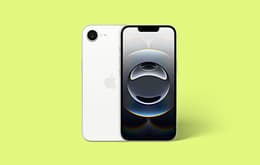
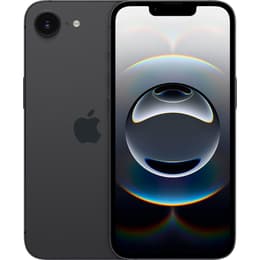

Google Pixel 8 Vs iPhone 16e

Google Pixel 8
Google Pixel 8
Starting at

Refurbished price:£189.00

Versus £699.99 new

See options
iPhone 16e
iPhone 16e
Starting at

Refurbished price:£359.00

Versus £599.00 new

See options

Ratings

The Google Pixel 8, released in October 2023, and the iPhone 16E, launched in February 2025, represent distinct approaches to the modern smartphone experience. While the Pixel 8 operates on the Android platform with a strong emphasis on artificial intelligence and computational photography, the iPhone 16E runs on Apple's iOS, offering a streamlined user experience and integration into the Apple ecosystem. Key differentiators include their camera systems, display refresh rates, and software support timelines.

Scores

Durability

When considering the long-term usability of these devices, their release timelines and software support are important factors.

  • Release Timeline: The Google Pixel 8 was introduced in October 2023, making it an earlier release compared to the iPhone 16E, which launched in February 2025. This difference in release date inherently means the iPhone 16E is a newer device.
  • Software Longevity: Google has committed to an impressive seven years of OS, security, and Feature Drop updates for the Pixel 8, extending its software support well into the future. The iPhone 16E, while newer, typically receives at least five years of major iOS updates, with security patches continuing beyond that. However, it's worth noting that the iPhone 16E was discontinued in March 2026, replaced by the iPhone 17E.
  • Physical Durability: Both devices offer robust build quality with IP68 ratings for water and dust resistance, indicating they can withstand immersion in water up to 6 meters for 30 minutes. The Pixel 8 features Gorilla Glass Victus on the front, while the iPhone 16E uses Ceramic Shield front glass, both designed for enhanced drop protection. User reports suggest the Pixel 8 handles drops and scratches well.

Year of Release

2023

2025

OS

Android

iOS

Foldable

No

No

Performance

The performance of a smartphone is largely determined by its internal components and how efficiently they handle daily tasks and demanding applications.

  • Processing Power: The Google Pixel 8 is powered by Google's Tensor G3 processor, designed to optimize AI and machine learning tasks directly on the device. The iPhone 16E features Apple's A18 chip, which is known for its strong overall performance and efficiency, and includes support for Apple Intelligence features. Both processors are capable of handling demanding apps and multitasking smoothly.
  • Multitasking and Storage: The Pixel 8 comes with 8GB of RAM, paired with 128GB or 256GB of internal storage. The iPhone 16E also offers 8GB of RAM and storage options of 128GB, 256GB, or 512GB. These configurations allow for efficient app switching and ample space for media and applications.
  • Battery Behavior: The Pixel 8 houses a 4575 mAh battery, providing a full day of mixed usage for most users, with adaptive battery features to optimize power consumption. Some users have noted that battery life can be average, particularly with heavy mobile data use. The iPhone 16E, with an estimated 4005 mAh battery, is noted for its impressive endurance, offering up to 26 hours of video playback and 21 hours of streaming video, making it a strong performer in its size category.

Memory (GB)

8 GB

8 GB

Screen quality

The visual experience on a smartphone is heavily influenced by its display technology and specifications.

  • Display Technology and Clarity: Both the Google Pixel 8 and the iPhone 16E feature OLED displays, which are known for producing deep blacks and vibrant colors. The Pixel 8 has a 6.2-inch FHD+ (2400 x 1080) OLED display, offering sharp visuals. The iPhone 16E comes with a 6.1-inch Super Retina OLED XDR display with a 2532 x 1170 resolution, also providing clear and detailed imagery.
  • Brightness and Refresh Rate: The Pixel 8's display can reach up to 1400 nits for HDR content and a peak brightness of 2000 nits, ensuring good visibility even in bright outdoor conditions. It also features a variable refresh rate that adjusts between 60Hz and 120Hz, contributing to smoother scrolling and a more responsive feel. The iPhone 16E offers 800 nits of typical brightness and 1200 nits of peak HDR brightness, with a standard 60Hz refresh rate.
  • Design Elements: The Pixel 8 features a punch-hole cutout for its front camera, offering an expansive screen. The iPhone 16E retains a traditional notch design for its front camera and Face ID sensors, distinguishing it from higher-end iPhone models that feature Dynamic Island.

Resolution

1080 x 2400

2532x1170

Audiovisual

Both smartphones offer capable camera systems, though with different strengths and configurations.

  • Rear Camera Systems: The Google Pixel 8 features a versatile dual-camera setup on the rear, including a 50MP main sensor with a wide aperture and optical image stabilization, alongside a 12MP ultrawide lens. This configuration allows for a range of photographic styles, from detailed wide shots to expansive landscapes. The iPhone 16E is equipped with a single 48MP Wide lens on the back, which utilizes a 'Fusion' technology to offer 1x and 2x optical-grade zoom through in-sensor cropping.
  • Photography Features and Performance: The Pixel 8 excels in computational photography, offering AI-powered features like Magic Editor and Best Take, and generally produces photos with excellent exposure, good detail, and pleasing color reproduction, particularly in low-light conditions. The iPhone 16E's single lens, while capable of high-resolution images, lacks some of the advanced features found in the Pixel 8, such as a dedicated ultrawide lens, macro mode, or specific Night mode for portraits.
  • Front Camera and Video: For selfies and video calls, the Pixel 8 has a 10.5MP front camera. The iPhone 16E features an upgraded 12MP FaceTime camera. Both devices support 4K video recording at 30 or 60 frames per second.

Front camera

10.5 megapixels

TrueDepth 12MP

Miscellaneous

Beyond the core specifications, several practical elements contribute to the overall user experience.

  • Connectivity and Ports: The Google Pixel 8 supports Wi-Fi 7, Bluetooth 5.3, and 5G connectivity, featuring a USB-C 3.2 port for charging and data transfer. The iPhone 16E also includes 5G, Wi-Fi 6, and Bluetooth 5.3, and has transitioned to a USB-C port.
  • Biometric Security: The Pixel 8 offers both an in-display fingerprint scanner and facial scanning for secure unlocking. The iPhone 16E relies on Face ID for biometric authentication.
  • Design and Handling: The Pixel 8 measures 150.5 x 70.8 x 8.9mm and weighs 187g, offering a compact and comfortable feel in hand. The iPhone 16E is slightly smaller and lighter at 146.7 x 71.5 x 7.8 mm and 167g, providing a similar compact form factor. Both devices feature aluminum frames and glass backs. The iPhone 16E also includes an Action Button, replacing the traditional mute switch.

Weight

187 g

167 g

Screen size (in)

6.2

6.1

Mobile network

5G

5G

SIM card

Physical SIM + eSIM

eSIM

Carrier compatibility

Unlocked

Unlocked

The Google Pixel 8 and iPhone 16E cater to users with differing priorities, reflecting their respective operating systems and design philosophies. Users often praise the Pixel 8 for its exceptional camera capabilities, particularly its AI-driven features that enhance photo quality and offer unique editing tools. Its long-term software support commitment is also a significant draw for those who prefer to keep their devices for an extended period. However, some users have expressed concerns about the Pixel 8's battery life, especially under heavy mobile data usage.

The iPhone 16E, on the other hand, is frequently lauded for its robust battery life, which is considered excellent for a device of its size. Its integration into the Apple ecosystem and the smooth, intuitive iOS experience are consistent points of praise. While its single rear camera is capable, some users might find it less versatile compared to multi-lens setups, and the 60Hz display is a point of distinction from devices with higher refresh rates.

Users prioritizing advanced computational photography, a higher refresh rate display, and an extended software update policy may find the Google Pixel 8 well-suited to their needs. Conversely, those who value a compact form factor, exceptional battery endurance, and the seamless integration of the iOS ecosystem might lean towards the iPhone 16E. Both devices offer a quality-assured refurbished option, providing an eco-friendly alternative for consumers.


See all articles

Our recent comparisons