iPhones
Compare models
Differences at a glance
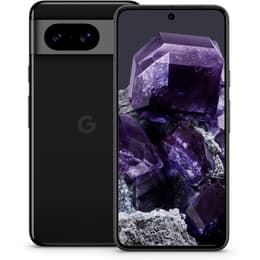
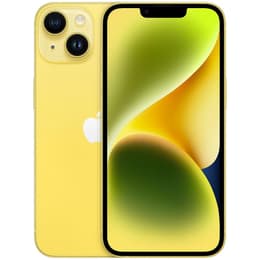
The Google Pixel 8, released in 2023, and the iPhone 14, launched in 2022, represent two distinct approaches to the modern smartphone experience. While the Pixel 8 runs on the Android operating system with a heavy focus on integrated artificial intelligence, the iPhone 14 utilises Apple’s iOS, known for its straightforward interface and ecosystem connectivity. These devices cater to users who value compact designs but offer different priorities regarding display technology and long-term software support. Understanding these differences is essential for choosing the right device for your daily needs.
Colour
Storage
The Pixel 8 and iPhone 14 offer different expectations for software longevity and physical maintenance based on their release timelines and manufacturer commitments.
Year of Release
Compatible with latest Update
OS
Foldable
Both smartphones provide a responsive experience, though they manage background tasks and power efficiency in unique ways to suit different user habits.
While both screens use organic light-emitting diode technology for deep blacks, their smoothness and brightness levels vary significantly for daily viewing.
Resolution
Screen type
The Pixel 8 relies heavily on software processing to enhance images, whereas the iPhone 14 focuses on natural reproduction and video stability for everyday use.
Main camera
Front camera
The choice between these devices often comes down to the specific ports and biometric systems they utilise for daily convenience and security.
Weight
Screen size (in)
Mobile network
SIM card
Carrier compatibility
The choice between the Google Pixel 8 and the iPhone 14 involves weighing the benefits of a newer, AI-focused Android device against a reliable and well-supported iOS smartphone. User discussions on platforms like Reddit often highlight the Pixel 8’s impressive display smoothness and its helpful software features as major positives. However, some users express concerns about the consistency of its internal modem in areas with weak signal. Conversely, the iPhone 14 is frequently praised for its exceptional build quality and the seamless way it works with other Apple products, though some users feel the 60Hz screen feels dated compared to more modern alternatives.
Users who prioritise long-term software updates, a smooth 120Hz screen, and advanced photo editing tools will likely find the Pixel 8 to be the more suitable choice. On the other hand, those who value a straightforward user experience, superior video recording, and a vast ecosystem of accessories may lean toward the iPhone 14. Selecting an eco-friendly alternative through refurbishment allows users to access these technologies while reducing electronic waste and supporting a more circular economy. Ultimately, both devices are highly capable tools that serve different user priorities without one being definitively better than the other.