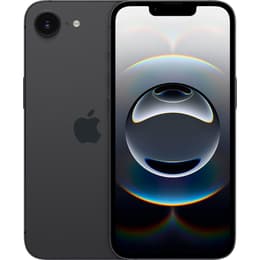

iPhone 15 Pro Vs iPhone 16e

iPhone 15 Pro
iPhone 15 Pro
Starting at

Refurbished price:£399.00

Versus £999.00 new

See options
iPhone 16e
iPhone 16e
Starting at

Refurbished price:£359.00

Versus £599.00 new

See options

Ratings

The iPhone 15 Pro, released in September 2023, represents Apple's premium smartphone offering from its generation, featuring advanced capabilities and a refined design. In contrast, the iPhone 16E, introduced in February 2025, positions itself as a more recent, essential model within the iPhone lineup, aiming to deliver core iPhone experiences with modern enhancements. While both devices operate on Apple's iOS platform, the 16E benefits from launching with a newer version of the operating system, offering a longer runway for future software updates. Key differentiators between these two models include their display technologies, camera system configurations, and the materials used in their construction.

Scores

Durability

When considering the longevity of these devices, their respective release timelines and Apple's software support policies are important factors. The iPhone 15 Pro, launched in September 2023, began its software support cycle with iOS 17 and is compatible with iOS 18 and iOS 26. Apple typically provides major iOS updates for 5-7 years, followed by extended security patches, meaning the iPhone 15 Pro is expected to receive updates until approximately 2035. The iPhone 16E, released in February 2025, benefits from a later launch date, starting its software journey with iOS 18 and therefore offering a slightly longer period of major software support into the future.

  • Build Materials: The iPhone 15 Pro features a titanium frame, which contributes to its lighter weight compared to previous Pro models. The iPhone 16E utilizes an aluminum frame, a common and durable material for smartphones. Both devices incorporate Ceramic Shield on the front for enhanced display protection and are rated IP68 for dust and water resistance, allowing submersion up to 6 meters for 30 minutes.
  • Repairability Considerations: While both phones are designed with Apple's ecosystem in mind, user reports for the iPhone 15 Pro indicated some concerns regarding the durability of its back glass in certain drop scenarios, despite the titanium frame. The iPhone 16E's aluminum construction may offer different characteristics in terms of impact absorption.
  • Software Longevity: The iPhone 16E, being a newer model, will inherently receive major iOS updates for a longer duration than the iPhone 15 Pro, extending its functional lifespan in terms of new features and compatibility with the latest applications.

Year of Release

2023

2025

OS

iOS

iOS

Foldable

No

No

Performance

The performance capabilities of the iPhone 15 Pro and iPhone 16E are driven by their respective internal components, influencing how smoothly they handle daily tasks, demanding applications, and multitasking. The iPhone 15 Pro is equipped with a powerful processor designed for high-end performance, enabling seamless execution of graphics-intensive games, professional-grade video editing, and complex computational photography tasks. Its architecture supports sustained performance, making it suitable for users who push their devices to the limit.

  • Processing Power: The iPhone 15 Pro's processor delivers robust performance, ensuring applications launch quickly and run without interruption, even when multiple apps are open simultaneously. The iPhone 16E features a newer generation processor that is optimized for efficiency and artificial intelligence tasks, providing a responsive user experience for everyday use and leveraging advanced AI features within the operating system.
  • Multitasking and Storage: Both devices come with ample internal memory, allowing for efficient multitasking and smooth transitions between applications. The iPhone 15 Pro offers storage options up to 1TB, catering to users with extensive media libraries or large application needs. The iPhone 16E provides storage options up to 512GB, which is sufficient for most users.
  • Battery Behavior: The iPhone 15 Pro offers up to 23 hours of video playback, with user experiences varying based on usage patterns and battery health over time. The iPhone 16E is reported to have an enhanced battery capacity, suggesting potentially longer usage times between charges, especially with its efficient processor.

Memory (GB)

8 GB

8 GB

Screen quality

The visual experience on both the iPhone 15 Pro and iPhone 16E is delivered through high-quality OLED displays, but with distinct differences that cater to varying user preferences and needs. Both phones feature a 6.1-inch display size, offering a comfortable viewing area for most users.

  • Display Technology and Refresh Rate: The iPhone 15 Pro boasts a Super Retina XDR display with ProMotion technology, providing an adaptive refresh rate that can scale from 1Hz to 120Hz. This results in exceptionally smooth scrolling, fluid animations, and a more responsive feel, particularly noticeable during gaming or fast-paced content. It also includes an Always-On display feature. The iPhone 16E features a Super Retina XDR OLED display with a standard 60Hz refresh rate, which is suitable for general use but lacks the dynamic smoothness of ProMotion.
  • Resolution and Brightness: Both devices offer sharp visuals with high resolutions and similar pixel densities, ensuring text and images appear clear and detailed. The iPhone 15 Pro achieves a higher peak brightness of 2000 nits for outdoor viewing and 1600 nits for HDR content, making it more visible in bright sunlight and enhancing HDR media. The iPhone 16E offers a peak HDR brightness of 1200 nits and 800 nits typical max brightness, providing a vibrant viewing experience under most conditions.
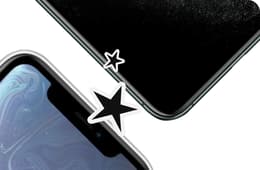
  • Screen Design: The iPhone 15 Pro features the Dynamic Island, an interactive area that adapts to alerts and background activities. The iPhone 16E retains a traditional notch for its front camera and sensors, similar to older iPhone models.

Resolution

1179 x 2556

2532x1170

Audiovisual

The camera systems on the iPhone 15 Pro and iPhone 16E offer different capabilities, reflecting their respective positions in the iPhone lineup. The iPhone 15 Pro is designed for advanced photography and videography, featuring a versatile triple-camera setup. The iPhone 16E, while offering significant improvements over previous essential models, focuses on a streamlined camera experience.

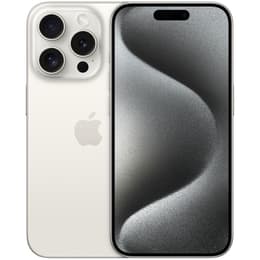
  • Camera System Configuration: The iPhone 15 Pro includes a 48MP Main camera, a 12MP Ultra Wide camera, and a 12MP Telephoto camera with 3x optical zoom, providing a 6x optical zoom range. This allows for greater flexibility in framing shots, from expansive landscapes to detailed close-ups. The iPhone 16E features a single 48MP rear camera, which can achieve a 2x magnification through sensor cropping, but it lacks a dedicated ultrawide or telephoto lens.
  • Photography Features: The iPhone 15 Pro supports advanced features like 24MP and 48MP photos, ProRes video recording, and Log video for professional workflows, along with enhanced low-light performance across its lenses. Its Main camera also allows users to switch between different focal lengths. The iPhone 16E's 48MP main camera is capable of capturing detailed images and supports features like Night mode and Portrait mode, offering a strong performance for everyday photography. Both devices have a 12MP front camera, with the 16E's supporting autofocus for selfies.
  • Video Recording and Audio: The iPhone 15 Pro excels in video recording, offering high-quality capture with advanced stabilization and cinematic effects. Both models provide clear microphone quality for calls and recordings, and deliver a good media consumption experience through their stereo speakers.

Front camera

12 megapixels

TrueDepth 12MP

Miscellaneous

Beyond their core functionalities, several practical elements differentiate the iPhone 15 Pro and iPhone 16E, impacting daily usability and connectivity. Both devices integrate the Action Button, a customizable physical button that can be assigned to various functions, replacing the traditional mute switch.

  • Connectivity Options: The iPhone 15 Pro features a USB-C port that supports USB 3.2 Gen 2 speeds, allowing for significantly faster data transfers (up to 10 Gbit/s) and more efficient professional workflows. It also supports Wi-Fi 6E and Bluetooth 5.3. The iPhone 16E also includes a USB-C port, but it is likely limited to USB 2.0 speeds for data transfer, similar to previous non-Pro models. It introduces an Apple-designed C1 5G modem, which is highlighted for its power efficiency, and supports Wi-Fi 7.
  • Physical Design and Handling: The iPhone 15 Pro utilizes a titanium frame, contributing to a lighter feel in hand compared to its predecessors, and features contoured edges for a comfortable grip. The iPhone 16E has an aluminum frame and a design that is slightly lighter than the 15 Pro. Both devices maintain a similar overall footprint, with the 15 Pro measuring 146.6 x 70.6 x 8.25 mm and weighing 187g, while the 16E measures 146.8 x 71.6 x 7.8 mm and weighs 167g.
  • Additional Features: Both phones support 5G cellular connectivity and include features like Face ID for secure authentication. The iPhone 15 Pro also offers Emergency SOS via Satellite for communication in remote areas. The iPhone 16E, launching with iOS 18, emphasizes its integration with Apple Intelligence, leveraging its processor for enhanced AI capabilities.

Weight

187 g

167 g

Screen size (in)

6.1

6.1

Mobile network

5G

5G

SIM card

Physical SIM + eSIM

eSIM

Carrier compatibility

Unlocked

Unlocked

Connector

USB-C

USB-C

User feedback for the iPhone 15 Pro often highlights its exceptional camera system, capable of capturing high-quality photos and videos, and its lighter titanium build which contributes to a more comfortable in-hand feel. However, some users have expressed concerns regarding its battery life, particularly after some degradation, and noted that the back glass might be more susceptible to damage in certain drop scenarios. The iPhone 16E, as a more recent offering, is praised for its modern processor and enhanced battery life, alongside the inclusion of the Action Button and its deep integration with Apple Intelligence. Criticisms often point to its 60Hz display and the single rear camera setup, which, while capable, lacks the versatility of the Pro models.

For users prioritizing advanced photography and videography features, a high refresh rate display for smoother interactions, and faster wired data transfer speeds, the iPhone 15 Pro remains a compelling choice. Its robust performance is well-suited for demanding applications and creative professionals. Conversely, users seeking a more recent device with a longer software support window, strong core performance, and the latest AI capabilities, without the need for the most advanced camera system or a ProMotion display, may find the iPhone 16E to be a more suitable option. It offers a balanced experience for everyday use and benefits from a more power-efficient 5G modem. Both models represent quality-assured options within the Apple ecosystem, and considering refurbished versions can be an eco-friendly alternative for acquiring either device.

See all articles

Our recent comparisons