
Galaxy A14 Vs iPhone 12

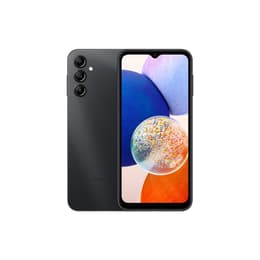
Galaxy A14
Galaxy A14
Starting at

Refurbished price:£82.00

Versus £269.00 new

See options
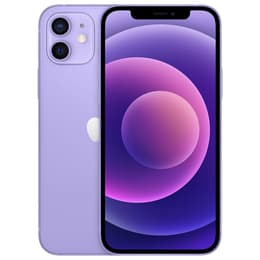
iPhone 12
iPhone 12
Starting at

Refurbished price:£139.00

Versus £649.00 new

See options

Ratings

The Samsung Galaxy A14, released in early 2023, and the Apple iPhone 12, launched in late 2020, represent distinct approaches to smartphone design and functionality. While the Galaxy A14 operates on Android with Samsung's One UI, the iPhone 12 runs on Apple's iOS platform. These devices cater to different user preferences, primarily differing in their operating systems, display technology, and overall performance capabilities.

Scores

Durability

When considering the practical lifespan of these devices, several factors come into play, including their release timelines, software support, and ease of repair.

  • Release Timeline: The Galaxy A14 was released in January 2023, making it a newer device compared to the iPhone 12, which debuted in October 2020. This difference in launch dates impacts their remaining software support windows.
  • Software Longevity: The Galaxy A14 is expected to receive two major Android OS upgrades (up to Android 15) and four years of security updates, extending its support until early 2027. The iPhone 12, typically, receives 5-6 years of major iOS updates, with security updates potentially lasting longer, suggesting support until around 2026 or 2027.
  • Repairability: The Galaxy A14 has a repairability score of 8 out of 10, partly due to its user-friendly design and the use of adhesive pull tabs for easier battery replacement. The iPhone 12 received a repairability score of 6 out of 10, with modular components but some hindrances due to enhanced waterproofing and parts pairing practices.

Year of Release

2023

2020

Compatible with latest Update

No

Yes

OS

Android

iOS

Foldable

No

No

Performance

The performance of a smartphone is crucial for daily tasks, from app usage to multitasking and gaming. These two devices offer different experiences in this regard.

  • Everyday Responsiveness: The iPhone 12, powered by a processor designed for flagship performance, handles demanding applications and multitasking with notable smoothness and efficiency. Users generally report a fluid experience across the iOS ecosystem. The Galaxy A14, featuring a current-generation mid-range processor, provides solid performance for everyday tasks, though some users have noted occasional stutters with animations and demanding apps.
  • Multitasking and Storage: Both devices offer various storage configurations, with the iPhone 12 providing options up to 256GB and the Galaxy A14 offering expandable storage via a microSD card slot, which can be beneficial for users with extensive media libraries. The iPhone 12's optimized software and hardware integration contribute to efficient memory management for multitasking.
  • Battery Behavior: The Galaxy A14 is equipped with a larger 5000 mAh battery, often providing extended usage, with some users reporting up to two days of use with moderate activity. The iPhone 12, with its smaller battery capacity, typically offers average battery life, often lasting through most of a day with regular use.

Memory (GB)

4 GB

4 GB

Screen quality

The display is a primary interface for any smartphone, and these two models present different visual experiences.

  • Display Technology and Clarity: The iPhone 12 features a 6.1-inch Super Retina XDR OLED display, offering deep blacks, high contrast, and vibrant colors, with a resolution of 2532 x 1170 pixels. The Galaxy A14 comes with a larger 6.6-inch PLS LCD display, providing a clear Full HD+ resolution of 1080 x 2408 pixels.
  • Brightness and Refresh Rate: The iPhone 12's OLED panel offers excellent brightness, making content visible even in bright outdoor conditions. Both devices have a standard 60Hz refresh rate, though the Galaxy A14 5G variant offers a smoother 90Hz refresh rate, which can enhance the scrolling experience.
  • Viewing Experience: The iPhone 12's OLED technology delivers a premium viewing experience with superior color accuracy and contrast. The larger screen of the Galaxy A14 provides more screen real estate, which can be advantageous for media consumption and productivity tasks.

Resolution

1080 x 2408

1170 x 2532

Screen type

PLS LCD

Super Retina XDR OLED

Audiovisual

For many users, the camera system is a key differentiator, and both phones offer capabilities suited to different photographic needs.

  • Rear Camera System: The Galaxy A14 features a triple rear camera setup, headlined by a 50 MP main sensor, accompanied by 2 MP macro and depth sensors (the 4G version may include a 5 MP ultrawide lens instead of a depth sensor). The iPhone 12 has a dual 12 MP camera system, comprising a wide and an ultrawide lens.
  • Photography Performance: The Galaxy A14's 50 MP main camera performs well in good lighting conditions, capturing decent detail, though some users note that image processing can sometimes oversaturate colors. The iPhone 12's dual camera system, with its advanced computational photography, delivers consistent and high-quality images, particularly excelling in low-light performance with its Night Mode across all cameras.
  • Video Recording: The iPhone 12 supports 4K video recording at various frame rates and includes features like Dolby Vision HDR video. The Galaxy A14 records video at up to 1080p at 30 frames per second.

Main camera

50 megapixels

12 megapixels

Front camera

13 megapixels

12 megapixels

Miscellaneous

Beyond core specifications, several practical elements contribute to the overall user experience of these smartphones.

  • Connectivity and Ports: Both devices support 5G connectivity, offering faster mobile data speeds where available. The iPhone 12 uses Apple's proprietary Lightning port, while the Galaxy A14 features a more universal USB-C port and retains a 3.5mm headphone jack.
  • Biometric Security: The iPhone 12 relies on Face ID for secure facial recognition. The Galaxy A14 incorporates a side-mounted fingerprint sensor for biometric authentication.
  • Build Materials and Handling: The iPhone 12 features a more premium build with a Ceramic Shield front, glass back, and an aluminum frame, offering IP68 water resistance. The Galaxy A14 has a plastic frame and back, contributing to its lighter feel and potentially greater resistance to minor impacts.

Weight

201 g

164 g

Screen size (in)

6.6

6.1

Mobile network

4G

5G

SIM card

Dual Physical SIM

Physical SIM + eSIM

Carrier compatibility

Unlocked

Unlocked

The Samsung Galaxy A14 and iPhone 12 cater to different user priorities, reflecting their distinct positions in the smartphone market. Users often praise the Galaxy A14 for its long battery life and the inclusion of a headphone jack and expandable storage, which are practical benefits for many. However, some criticisms point to its performance not always being as fluid as higher-end devices, with occasional lags in app animations.

The iPhone 12 is frequently lauded for its robust performance, premium build quality, and consistent camera capabilities, especially in low light. Common observations include its average battery life compared to some Android counterparts and the reliance on the Lightning port.

For users prioritizing an extensive software update lifespan, a highly responsive user interface, and a premium build with advanced camera features, the iPhone 12 may be a more suitable choice. Its ecosystem offers a streamlined experience for those accustomed to iOS. Conversely, individuals who value a larger display, exceptional battery endurance, the flexibility of expandable storage, and a universal charging port might find the Galaxy A14 to be a compelling option. It provides a solid Android experience for everyday use.

Both models are available as quality-assured refurbished options, offering an eco-friendly alternative for consumers looking to make an informed and sustainable choice.

See all articles

Our recent comparisons