Smartphones
Compare models
Differences at a glance
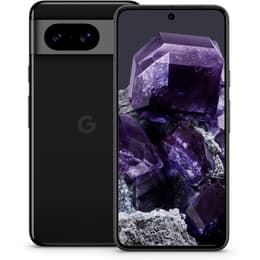
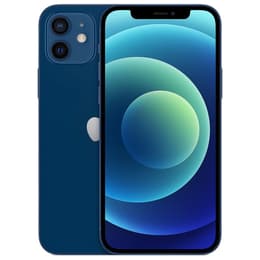
The Google Pixel 8, released in late 2023, and the iPhone 12, launched in 2020, represent two different eras of smartphone technology. While both are flagship-tier devices from their respective manufacturers, they cater to different user needs through distinct operating systems and hardware priorities. The Pixel 8 runs on the latest version of Android, offering a highly customisable experience, while the iPhone 12 utilises iOS, known for its streamlined interface and integration with other Apple services.
The primary differences between these two models lie in their release dates and the resulting advancements in display technology and software support timelines. The Pixel 8 introduces modern features like a high-refresh-rate screen and extensive long-term software commitments, whereas the iPhone 12 remains a reliable choice for those who prefer a familiar, stable ecosystem and a lighter physical design. This comparison explores how these devices handle daily tasks, photography, and long-term use to help you decide which fits your lifestyle.
Colour
Storage
When considering how long a device will remain functional and secure, the three-year age gap between these two smartphones plays a significant role in their projected lifespans.
Year of Release
Compatible with latest Update
OS
Foldable
Performance in these devices is defined by how smoothly they handle multitasking, app launches, and battery efficiency during a typical day of use.
The viewing experience differs significantly between these two models, primarily due to advancements in screen brightness and smoothness that occurred between 2020 and 2023.
Resolution
Screen type
Both smartphones are highly regarded for their photographic capabilities, though they take different approaches to capturing and processing images.
Main camera
Front camera
Beyond the core specifications, several practical features influence how these devices feel and function in daily life.
Weight
Screen size (in)
Mobile network
SIM card
Carrier compatibility
Choosing between the Google Pixel 8 and the iPhone 12 often comes down to a preference for software and the desired length of ownership. According to user discussions on various tech forums, the Pixel 8 is frequently praised for its exceptionally bright and smooth 120Hz display and its helpful AI-driven features that simplify tasks like photo editing and call screening. Some users, however, have noted that the device can become warm during intensive tasks. The iPhone 12 is consistently lauded for its enduring performance and the simplicity of the iOS ecosystem, though some long-term owners mention that the battery life and the 60Hz screen feel dated compared to more recent releases.
Users who prioritise having the latest display technology, a highly versatile camera, and the longest possible software support will find the Google Pixel 8 to be a well-suited choice. On the other hand, users who prefer a lighter device, are already invested in Apple's ecosystem, or simply want a straightforward and reliable smartphone experience may lean toward the iPhone 12. Both devices represent a sustainable choice for those looking to reduce their environmental impact. Opting for a quality-assured refurbished option is an excellent way to access these technologies while supporting a more circular economy. Ultimately, the decision rests on whether you value the modern, feature-rich approach of the Pixel 8 or the proven, consistent performance of the iPhone 12.