
Galaxy A14 Vs iPhone 13 Pro

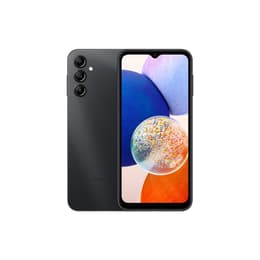
Galaxy A14
Galaxy A14
Starting at

Refurbished price:£81.00

Versus £269.00 new

See options
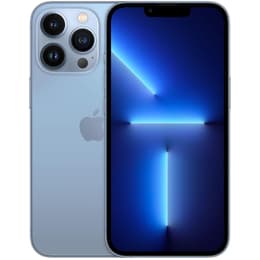
iPhone 13 Pro
iPhone 13 Pro
Starting at

Refurbished price:£232.00

Versus £949.00 new

See options

Ratings

The Samsung Galaxy A14, released in early 2023, and the iPhone 13 Pro, launched in late 2021, represent two distinct approaches to the modern smartphone experience. While the Galaxy A14 serves as a contemporary entry-level device focusing on essential features and a large display, the iPhone 13 Pro remains a high-performance flagship known for its advanced camera system and premium build quality. These devices operate on different ecosystems—Android and iOS respectively—offering unique user interfaces and app stores that cater to different digital habits and software preferences.

Scores

Durability

The timeline for software support and physical resilience differs significantly between these two models due to their original market positioning and manufacturer update policies.

  • Software Longevity: The iPhone 13 Pro, despite its earlier release date, typically receives operating system updates for many years, often extending its functional life well beyond five or six years from its launch. The Galaxy A14 follows a specific update schedule that provides several years of security patches, though it may receive fewer major version upgrades over its lifespan.
  • Build Resilience: The Galaxy A14 features a plastic frame and back, which offers a degree of flexibility and resistance to shattering if dropped on hard surfaces. In contrast, the iPhone 13 Pro uses a combination of stainless steel and glass, providing a sturdy, rigid feel that requires more careful handling to avoid cracks.
  • Repairability: Both devices have established repair networks, though the simpler internal layout of the Galaxy A14 can sometimes make certain component replacements, such as the screen or battery, more straightforward for technicians compared to the densely packed internals of the iPhone.

Year of Release

2023

2021

Compatible with latest Update

No

Yes

OS

Android

iOS

Foldable

No

No

Performance

When comparing how these devices handle daily tasks, the difference in internal processing power becomes evident during heavy multitasking and when running demanding applications.

  • System Responsiveness: The iPhone 13 Pro is designed to handle intensive tasks like high-definition gaming and 4K video editing without hesitation, maintaining a fluid experience even with many apps open. The Galaxy A14 is better suited for standard activities such as web browsing, social media, and messaging, where it performs reliably for the average user.
  • Battery Endurance: With a large internal battery capacity, the Galaxy A14 is built to last through long days of moderate use, often stretching into a second day for light users. The iPhone 13 Pro uses efficient power management to ensure a full day of use, though heavy media consumption or GPS usage will deplete it faster.
  • Storage and Multitasking: The iPhone 13 Pro offers higher memory overhead, allowing it to keep more apps ready in the background for instant switching. The Galaxy A14 provides the practical benefit of expandable storage via a card slot, which is useful for users who prefer to store large libraries of photos and files locally.

Memory (GB)

4 GB

6 GB

Screen quality

The viewing experience on these smartphones is shaped by different display technologies that prioritise either sheer screen size or visual precision and colour depth.

  • Display Technology: The iPhone 13 Pro utilises an OLED panel, which produces deep blacks and high contrast, making it ideal for watching movies or editing photos with accuracy. The Galaxy A14 uses an LCD screen, which provides natural colours and a large 6.6-inch canvas that is well-suited for reading long articles and viewing documents.
  • Motion Smoothness: A key feature of the iPhone 13 Pro is its ability to adjust its refresh rate up to 120Hz, resulting in very smooth scrolling and animations. The Galaxy A14 offers a 90Hz refresh rate, which is a significant step up from standard screens and provides a noticeably smoother experience than basic mobile displays.
  • Outdoor Visibility: The iPhone 13 Pro can reach higher brightness levels, which helps with legibility when using the phone under direct sunlight. The Galaxy A14 is perfectly clear for indoor use and shaded outdoor environments, though it may require more effort to see clearly in very bright, direct light.

Resolution

1080 x 2408

1170 x 2532

Screen type

PLS LCD

Super Retina XDR OLED

Audiovisual

The camera systems on these devices are tailored for different levels of photography, ranging from casual everyday snapshots to more advanced content creation.

  • Versatility in Shooting: The iPhone 13 Pro features a triple-lens system including a dedicated telephoto lens for zooming and a macro mode for detailed close-up shots. The Galaxy A14 provides a versatile main sensor that captures clear images in daylight, supported by additional lenses for depth effects and close-up photography.
  • Low-Light Performance: For evening or indoor photography, the iPhone 13 Pro uses advanced sensors to pull in more light, resulting in clearer images with less grain. The Galaxy A14 performs best in well-lit environments, where its high-resolution main sensor can capture plenty of detail for social sharing and personal memories.
  • Video and Audio: Video recording on the iPhone 13 Pro is highly stabilised and supports advanced formats for those who enjoy filming high-quality clips. Both devices offer clear microphones for calls, but the iPhone 13 Pro provides a more immersive stereo speaker experience for watching videos without the need for headphones.

Main camera

50 megapixels

12 megapixels

Front camera

13 megapixels

12 megapixels

Miscellaneous

Practical daily usage is influenced by the physical design, connectivity options, and security features integrated into each handset's hardware.

  • Biometrics and Security: The Galaxy A14 utilises a fingerprint sensor built into the power button for quick access, which many users find intuitive and reliable. The iPhone 13 Pro uses facial recognition technology, which scans the user's features to unlock the device securely and hands-free.
  • Physical Handling: The Galaxy A14 is a larger device, which is excellent for those who prefer a big screen but may require two hands for comfortable navigation. The iPhone 13 Pro is more compact and easier to use with one hand, though its stainless steel frame gives it a noticeable, substantial weight.
  • Connectivity and Ports: Both phones support 5G for fast mobile data speeds. The Galaxy A14 uses the widely compatible USB-C port for charging and includes a traditional headphone jack, while the iPhone 13 Pro uses the Lightning port and requires wireless or adapter-based audio solutions for wired headphones.

Weight

201 g

203 g

Screen size (in)

6.6

6.1

Mobile network

4G

5G

SIM card

Dual Physical SIM

Physical SIM + eSIM

Carrier compatibility

Unlocked

Unlocked

User feedback from various community forums highlights the distinct strengths of both the Galaxy A14 and the iPhone 13 Pro. Owners of the Galaxy A14 frequently praise the device for its impressive battery life and the inclusion of a headphone jack, which remains a valued feature for many. Some users note that while it isn't the fastest device for high-end gaming, it handles everyday communication and browsing tasks with ease. On the other hand, iPhone 13 Pro users often highlight the exceptional camera quality and the overall smoothness of the interface as standout features, though some mention the weight of the device as a consideration for long-term holding.

Choosing between these two depends largely on individual priorities and usage habits. Users who prioritise a large screen for reading, long-lasting battery life, and the convenience of a traditional headphone jack will find the Galaxy A14 to be a practical companion for daily life. Conversely, those who require high-end performance for creative work, professional-grade photography, and a more compact, premium feel will likely lean toward the iPhone 13 Pro. For those looking to make a sustainable choice, opting for a quality-assured refurbished option is an eco-friendly alternative that extends the life of these capable devices. Ultimately, both smartphones offer reliable experiences tailored to different user needs and digital lifestyles.


See all articles

Our recent comparisons