
Google Pixel 8 Vs iPhone 13

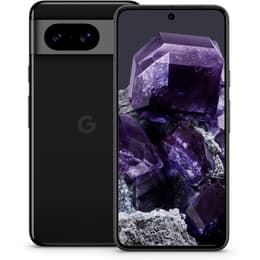
Google Pixel 8
Google Pixel 8
Starting at

Refurbished price:£185.99

Versus £699.99 new

See options
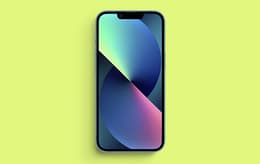
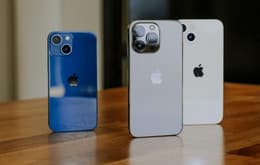
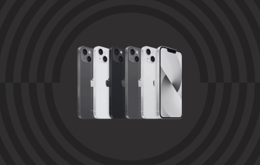
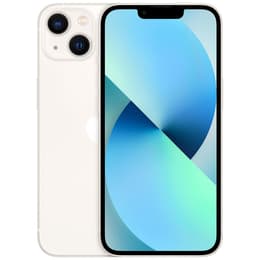
iPhone 13
iPhone 13
Starting at

Refurbished price:£204.00

Versus £599.00 new

See options

Ratings

The Google Pixel 8 (2023) and the iPhone 13 (2021) are two prominent smartphones that cater to different user preferences within the Android and iOS ecosystems. While the Pixel 8 is a more recent release focusing on integrated artificial intelligence, the iPhone 13 remains a staple for those who value long-term stability. Choosing between them involves weighing Google’s latest software innovations against Apple’s established hardware consistency.

Scores

Durability

The release dates of these two devices play a critical role in their expected lifespan and how long they will receive essential security updates. The Pixel 8 was released in 2023, while the iPhone 13 arrived in 2021.

  • Software longevity: The Pixel 8 was launched with a commitment to seven years of full operating system updates, meaning it is designed to remain current until 2030, whereas the iPhone 13 is already several years into its expected support cycle and may see updates conclude sooner.
  • Physical construction: Both phones feature robust glass and aluminium builds with high water resistance ratings, ensuring they can withstand accidental splashes or dusty environments during daily use without significant risk of internal damage.
  • Sustainable maintenance: For those looking for a sustainable choice, the Pixel 8 offers a design focused on repairability, with parts becoming more widely available for independent technicians to extend the device's functional life.

Year of Release

2023

2021

Compatible with latest Update

Yes

Yes

OS

Android

iOS

Foldable

No

No

Performance

In terms of daily operation, both smartphones provide a responsive experience, though the newer hardware in the Pixel 8 is better equipped for future software demands and intensive multitasking. The iPhone 13 remains surprisingly quick, but the age difference is noticeable in specific high-load scenarios.

  • System fluidity: The Pixel 8 handles multitasking and demanding applications with ease, providing a smooth experience when switching between navigation, social media, and productivity tools without any noticeable lag or stuttering during transitions.
  • Reliable execution: The iPhone 13 continues to perform admirably for standard tasks, maintaining quick app launch times and a stable interface that feels consistent even when the internal storage is nearly full or when running multiple background processes.
  • Battery management: Users will find that both devices comfortably last through a standard day of work or travel, though the Pixel 8 includes more advanced power-saving features that are optimised to extend usage during long periods.

Memory (GB)

8 GB

4 GB

Screen quality

The display is one of the most noticeable differences between these two models, affecting everything from reading text in bright light to watching high-definition videos during a commute. The Pixel 8 introduces several modern enhancements that the older iPhone 13 lacks.

  • Visual smoothness: The Pixel 8 features a display with a high refresh rate, which makes scrolling through web pages and system animations appear significantly more fluid than the standard refresh rate found on the iPhone 13, which can feel slightly less responsive.
  • Brightness and clarity: With a much higher peak brightness, the Pixel 8 screen remains easily readable even under direct midday sun, whereas the iPhone 13 may require the user to seek shade or manually increase brightness for comfortable viewing in bright conditions.
  • Colour reproduction: Both devices utilise OLED technology, which ensures deep blacks and vibrant colours, making them excellent choices for media consumption and viewing high-resolution photography with a high degree of accuracy.

Resolution

1080 x 2400

1170 x 2532

Screen type

OLED

Super Retina XDR OLED

Audiovisual

While both phones are capable of taking excellent photos, they use different approaches to image processing and video capture that suit different creative needs and user habits. The Pixel 8 relies heavily on modern software processing, while the iPhone 13 focuses on natural output.

  • Computational photography: The Pixel 8 uses advanced software to enhance details in low-light settings and provides unique tools for editing photos, such as the ability to move or remove objects after the shot is taken, which is ideal for casual photographers.
  • Video consistency: The iPhone 13 is widely recognised for its consistent video quality, offering smooth transitions and natural skin tones that make it a preferred choice for users who record a lot of video content.
  • Versatile lenses: Both systems include a main wide lens and an ultra-wide lens, allowing users to capture expansive landscapes or group shots with ease, though the Pixel 8 tends to produce sharper results in high-contrast environments.

Main camera

50 megapixels

12 megapixels

Front camera

10.5 megapixels

12 megapixels

Miscellaneous

Practical considerations like charging standards and biometric security often dictate how well a phone fits into a user's existing collection of accessories and their daily habits. These small differences can have a large impact on the overall user experience.

  • Charging and connectivity: The Pixel 8 utilises the universal USB-C standard, making it compatible with most modern laptop and tablet chargers, while the iPhone 13 uses the proprietary Lightning connector, which may require users to carry specific cables.
  • Security and access: The Pixel 8 offers the flexibility of both a fingerprint sensor and facial recognition for unlocking the device, while the iPhone 13 relies on a highly secure facial recognition system that works well even in low-light conditions.
  • Handling and weight: The iPhone 13 has a slightly more compact and lighter feel with flat edges, whereas the Pixel 8 has a more rounded profile that many users find more ergonomic and comfortable for one-handed use.

Weight

187 g

173 g

Screen size (in)

6.2

6.1

Mobile network

5G

5G

SIM card

Physical SIM + eSIM

Physical SIM + eSIM

Carrier compatibility

Unlocked

Unlocked

Based on discussions across various technology forums and user reviews, the consensus on these two devices is quite clear. The Pixel 8 is widely praised for its vibrant, smooth display and the helpfulness of its automated software features, though some users have noted that it can occasionally run warm during heavy gaming. On the other hand, the iPhone 13 is celebrated for its exceptional reliability and the way it maintains its speed years after release, with the main criticism being its slower screen refresh rate compared to modern standards.

Users who prioritise having the latest screen technology and extensive software updates will likely find the Pixel 8 to be the better fit. Those who prefer a straightforward, dependable experience within a well-connected ecosystem may lean toward the iPhone 13. For those interested in an eco-friendly alternative, both devices are available as quality-assured refurbished options, allowing for a more sustainable purchase without compromising on performance. Ultimately, both smartphones remain excellent choices that serve different types of mobile users effectively.


See all articles

Our recent comparisons