
Compare models
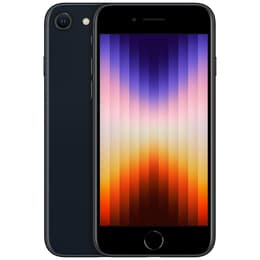
Google Pixel 10 Pro XL Vs iPhone SE (2022)
- 1-year minimum warranty
- Free delivery on all items
- Free 30-day returns
Differences at a glance
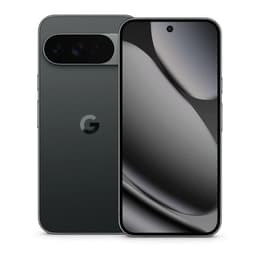
The Google Pixel 10 Pro XL (2025) and the Apple iPhone SE (2022) represent two entirely different approaches to smartphone design, operating systems, and target audiences. While the Google Pixel 10 Pro XL is a modern, large-format flagship running Android with a multi-lens camera system, the iPhone SE (2022) is a compact device running iOS that focuses on simplicity and traditional form factors. These differences in release year, size, and operating system cater to vastly different everyday usage needs.
Available Models
Colour
Storage (GB)
Scores
Durability
When considering software longevity and build resilience, both devices handle updates differently based on their respective release schedules and hardware lifecycles.
- Release Timeline and Software Support: The Google Pixel 10 Pro XL benefits from a more recent launch and an extended software support window, ensuring prolonged access to security patches. The iPhone SE (2022) has an older launch date, meaning its remaining timeline for major operating system updates is shorter.
- Repairability and Build Longevity: Both manufacturers offer established repair pathways and readily available replacement components. The Pixel 10 Pro XL features robust modern glass protection, while the iPhone SE utilizes a classic glass-and-aluminum sandwich design that technicians can service efficiently.
Year of Release
2025
2022
Compatible with latest Update
Yes
Yes
OS
Android
iOS
Foldable
No
No
Performance
System responsiveness and everyday operation vary significantly due to differences in memory capacity, hardware generation, and power management.
- Multitasking and App Handling: The Google Pixel 10 Pro XL features ample RAM, allowing demanding apps, split-screen workflows, and resource-heavy tasks to run simultaneously without slowdowns. The iPhone SE (2022) manages everyday tasks efficiently, though heavy multitasking or intensive gaming may require more frequent app reloading due to its smaller memory allocation.
- Battery Behavior: The Pixel 10 Pro XL incorporates a high-capacity battery designed to easily sustain heavy full-day use including navigation and media streaming. The iPhone SE (2022) features a compact physical footprint that houses a smaller battery, requiring more frequent charging for users with high daily usage routines.
Screen quality
The viewing experiences differ starkly between the two devices, driven by distinct panel technologies, sizes, and refresh rates.
- Display Technology and Clarity: The Google Pixel 10 Pro XL features a large, high-resolution OLED panel with deep contrast levels and fluid motion handling thanks to an adaptive refresh rate that scales up to high frequencies. The iPhone SE (2022) uses a traditional smaller LCD panel with standard refresh rates, offering clear text and sharp images within a compact boundary.
- Outdoor Visibility: The Pixel 10 Pro XL reaches exceptionally high peak brightness levels, maintaining clear legibility under direct sunlight. The iPhone SE provides standard brightness levels that remain usable indoors and in moderate outdoor lighting conditions.
Resolution
1344x2992
750 x 1334
Audiovisual
Media creation and audio playback capabilities reflect the generation gap and hardware scale between these two smartphones.
- Camera System Versatility: The Google Pixel 10 Pro XL is equipped with a versatile multi-lens rear setup, including a dedicated telephoto zoom lens and an ultra-wide sensor, complemented by advanced computational photography tools for low-light environments. The iPhone SE (2022) features a single rear camera that captures clear everyday snapshots and stable video clips without extra lens switching.
- Audio and Media Output: The Pixel 10 Pro XL delivers a rich stereo speaker output well-suited for media consumption and hands-free calls. The iPhone SE provides balanced sound output through its stereo speaker arrangement, though its smaller form factor results in a more compact soundstage.
Front camera
42 megapixels
7 megapixels
Miscellaneous
Physical handling, connectivity standards, and daily ergonomics highlight distinct design philosophies.
- Handling and Dimensions: The Google Pixel 10 Pro XL is a large, substantial device built for expansive viewing and two-handed operation. In contrast, the iPhone SE (2022) is lightweight and exceptionally compact, making it well-suited for single-handed use and effortless pocketability.
- Connectivity and Security: Both models support modern 5G cellular networks and fast Wi-Fi standards. The Pixel 10 Pro XL utilizes facial recognition and an in-display fingerprint sensor, while the iPhone SE relies on the traditional physical home button with biometric fingerprint authentication.
Weight
232 g
144 g
Screen size (in)
6.8
4.7
Mobile network
5G
5G
SIM card
Physical SIM + eSIM
Physical SIM + eSIM
Carrier compatibility
Unlocked
Unlocked
Connector
USB-C
Lightning
What the community thinks
Choosing between these two devices depends entirely on what you value most in daily use. Users prioritizing a large, high-refresh-rate display, versatile multi-lens photography, and robust battery life will find the Google Pixel 10 Pro XL well-suited to their needs. Conversely, users who prefer a compact footprint, a physical home button, and the iOS ecosystem may lean toward the iPhone SE (2022).
For those mindful of environmental impact, opting for a quality-assured refurbished option provides a sustainable way to acquire either of these devices while reducing electronic waste. Ultimately, your decision should rest on screen size preferences, operating system familiarity, and how heavily you rely on your phone throughout the day.