iPhone 11 Pro Vs Xiaomi Redmi Note 11 Pro 5G

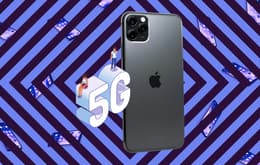
iPhone 11 Pro
iPhone 11 Pro
Starting at

Refurbished price:£151.00

Versus £639.00 new

See options
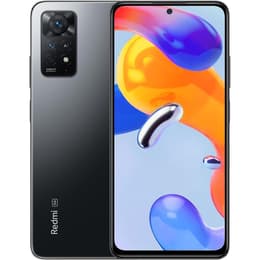
Xiaomi Redmi Note 11 Pro 5G
Starting at

Refurbished price:£102.00

Versus £599.00 new

See options

Ratings

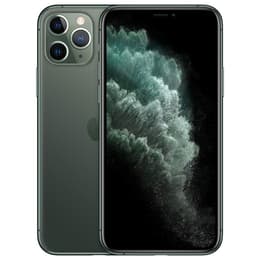
The iPhone 11 Pro, released in September 2019, and the Xiaomi Redmi Note 11 Pro 5G, launched in early 2022, represent two different approaches to smartphone design. While the iPhone was originally positioned as a high-end flagship with a focus on premium materials and a compact form factor, the Redmi Note 11 Pro 5G arrived as a modern, feature-rich device designed to bring 5G connectivity and high-refresh-rate displays to a wider audience. These devices operate on different platforms, with the iPhone utilizing Apple's iOS and the Redmi running on Android with Xiaomi's custom interface.

Choosing between these two involves weighing the benefits of a refined, older flagship against a newer, more modern mid-range device. For those looking for a sustainable choice, considering a quality-assured refurbished option for either model can provide a reliable experience while reducing environmental impact.

Scores

Durability

When evaluating how long these devices will remain functional and relevant, we must consider their release dates and the manufacturer's history of software support.

  • Software Support and Longevity: The iPhone 11 Pro has benefited from Apple's long-term update policy, though as a 2019 device, it is closer to the end of its major software update cycle than the Redmi. The Redmi Note 11 Pro 5G, being several years newer, is likely to receive security patches and platform updates for a longer period from the current date, though Android manufacturers typically offer fewer years of major OS upgrades compared to Apple.
  • Physical Build and Protection: The iPhone 11 Pro features a stainless steel frame and a high level of water and dust resistance, allowing it to survive submersion in shallow water. The Redmi Note 11 Pro 5G uses a mix of glass and plastic and offers basic splash resistance, meaning it can handle light rain but not full immersion.
  • Repairability and Maintenance: Both smartphones have widely available replacement parts. The Redmi's internal layout is often considered more accessible for common repairs like screen or battery replacements, whereas the iPhone's compact assembly requires more specialized tools and precision.

Year of Release

2019

2022

Compatible with latest Update

Yes

No

OS

iOS

Android

Foldable

No

No

Performance

Performance is not just about raw power; it is about how smoothly the device handles your daily routine, from social media scrolling to intensive multitasking.

  • System Fluidity: The iPhone 11 Pro provides a very consistent and responsive experience. Even when running modern, demanding applications or high-end games, the software and hardware work in harmony to prevent stuttering. The Redmi Note 11 Pro 5G is efficient for everyday tasks like web browsing and video streaming, though it may show slight delays when switching between many heavy applications simultaneously.
  • Battery Life and Charging: The Redmi Note 11 Pro 5G features a large battery capacity that easily lasts through a full day of heavy use. It also supports very fast charging, allowing the battery to go from empty to nearly full in under an hour. The iPhone 11 Pro offers respectable battery life for its size, but it charges much more slowly and may require a midday top-up for power users.
  • Storage and Memory: The Redmi offers the flexibility of expandable storage via a microSD card slot, which is helpful for users who store many photos and videos. The iPhone 11 Pro relies solely on internal storage, meaning users must choose their capacity carefully at the start.

Memory (GB)

4 GB

6 GB

Screen quality

The display is your primary interface with the device, and these two models offer very different visual experiences in terms of size and technology.

  • Display Technology and Contrast: Both devices use OLED-based screens, which provide deep blacks and vibrant colours. The iPhone 11 Pro features a smaller 5.8-inch display that is highly accurate in its colour reproduction, making it a favourite for photo editing. The Redmi Note 11 Pro 5G has a much larger 6.67-inch screen, providing a more immersive experience for watching movies or playing games.
  • Refresh Rate and Smoothness: A major differentiator is the Redmi's 120Hz refresh rate, which makes scrolling through lists and system animations look twice as smooth as the standard 60Hz screen on the iPhone 11 Pro. This high refresh rate contributes significantly to the feeling of modern speed.
  • Brightness and Outdoor Use: The iPhone 11 Pro is capable of reaching high peak brightness levels, ensuring the screen remains readable even under direct sunlight. While the Redmi is also bright enough for most outdoor conditions, the iPhone's panel is specifically designed to maintain clarity and contrast in challenging lighting environments.

Resolution

1125 x 2436

1080 x 2400

Screen type

Super Retina XDR OLED

Super AMOLED

Audiovisual

For many users, the camera is the most important feature, and these devices take different approaches to capturing images and video.

  • Photography Versatility: The iPhone 11 Pro features a triple-camera system with dedicated wide, ultra-wide, and telephoto lenses, allowing for high-quality zoomed-in shots. The Redmi Note 11 Pro 5G uses a very high-resolution main sensor that captures a lot of detail in bright light, but its secondary lenses are less capable than those found on the iPhone.
  • Video Quality and Stability: The iPhone 11 Pro is widely regarded for its excellent video recording, offering smooth stabilization and the ability to record in high definition across all its lenses. The Redmi provides functional video for social media but lacks the professional-grade smoothness and low-light performance found in the iPhone's video system.
  • Selfies and Audio: The iPhone's front-facing camera produces natural skin tones and supports secure facial recognition. In terms of audio, both have stereo speakers, but the Redmi includes a 3.5mm headphone jack, allowing users to connect traditional wired headphones without an adapter, a feature the iPhone lacks.

Main camera

12 megapixels

108 megapixels

Front camera

12 megapixels

16 megapixels

Miscellaneous

Beyond the core specifications, several practical hardware features influence how these phones feel and function in your hand every day.

  • Connectivity and 5G: The Redmi Note 11 Pro 5G is compatible with the latest high-speed mobile networks, providing faster download speeds and better future-proofing as 5G coverage expands. The iPhone 11 Pro is limited to 4G LTE, which is still fast for most tasks but cannot access the newest network bands.
  • Biometrics and Security: The iPhone uses Face ID, which scans your face to unlock the device and authorize payments. The Redmi uses a fingerprint sensor built into the power button on the side, which many users find faster and more convenient, especially when wearing a face covering.
  • Size and Ergonomics: The iPhone 11 Pro is a compact device that is easy to use with one hand and fits comfortably in smaller pockets. The Redmi is significantly larger and heavier, which is great for media consumption but may feel bulky for users who prefer a more portable smartphone.

Weight

188 g

202 g

Screen size (in)

5.8

6.67

Mobile network

4G

5G

SIM card

Physical SIM + eSIM

Dual Physical SIM

Carrier compatibility

Unlocked

Unlocked

In summary, the iPhone 11 Pro and the Xiaomi Redmi Note 11 Pro 5G cater to different user priorities. Based on common user feedback, the iPhone 11 Pro is frequently praised for its premium build quality, consistent camera performance, and the seamless nature of the iOS ecosystem. However, some users note that its smaller screen and lack of 5G are starting to feel dated. On the other hand, the Redmi Note 11 Pro 5G receives high marks for its large, smooth 120Hz display, exceptionally fast charging, and modern connectivity, though some find the software interface less refined than its competitor.

Users who prioritize a compact design, high-quality video recording, and a premium feel will likely find the iPhone 11 Pro better suited to their needs. Conversely, users who want a large screen for gaming, the latest 5G speeds, and the convenience of a headphone jack may prefer the Redmi Note 11 Pro 5G. Choosing an eco-friendly alternative like a quality-assured refurbished device is an excellent way to get the features you need while supporting a more sustainable electronics industry. Ultimately, both smartphones remain capable choices in 2026, with the decision resting on whether you value the refined flagship experience of the iPhone or the modern, large-screen utility of the Redmi.


See all articles

Our recent comparisons