
iPhone 11 Pro Vs iPhone XR

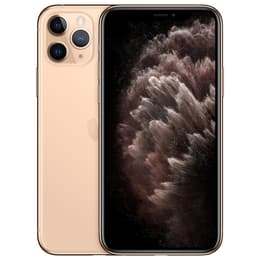
iPhone 11 Pro
iPhone 11 Pro
Starting at

Refurbished price:£152.00

Versus £639.00 new

See options
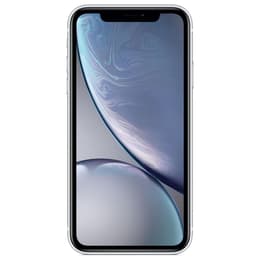
iPhone XR
iPhone XR
Starting at

Refurbished price:£97.00

Versus £399.00 new

See options

Ratings

The iPhone XR, released in 2018, and the iPhone 11 Pro, launched in 2019, represent two different tiers of the smartphone ecosystem from their respective eras. While the iPhone XR was designed as a versatile, colourful option for a broad audience, the iPhone 11 Pro introduced a more advanced camera system and display technology aimed at users with higher technical requirements. Both devices operate on the iOS platform, ensuring a consistent user interface and access to the same ecosystem of applications and services, though their internal hardware leads to different long-term expectations.

Scores

Durability

The iPhone 11 Pro and iPhone XR differ in their physical construction and expected software longevity, which are key factors for users planning to keep their device for several years.

  • Software Support: As the iPhone 11 Pro was released a year after the iPhone XR, it is generally expected to receive official software updates for a longer period, providing users with the latest security features and app compatibility for an additional cycle.
  • Build Materials: The iPhone XR features an aerospace-grade aluminium frame with glass panels, while the iPhone 11 Pro uses a surgical-grade stainless steel frame and a textured matte glass back, offering a different tactile experience and increased structural rigidity.
  • Environmental Resistance: The iPhone 11 Pro carries an IP68 rating, allowing it to withstand submersion in deeper water for longer periods compared to the IP67 rating of the iPhone XR, which provides more basic protection against spills and splashes.

Year of Release

2019

2018

Compatible with latest Update

Yes

Yes

OS

iOS

iOS

Foldable

No

No

Performance

While both smartphones handle daily tasks with ease, the internal hardware of the iPhone 11 Pro offers more headroom for demanding activities and multitasking.

  • System Responsiveness: The iPhone 11 Pro features more advanced internal processing capabilities that result in faster app launches and smoother transitions when switching between multiple open applications compared to the iPhone XR.
  • Battery Efficiency: Users will find that the iPhone 11 Pro manages power more effectively during intensive tasks like video streaming or gaming, often lasting longer through a full day of heavy use than the iPhone XR.
  • Storage Capacity: The iPhone 11 Pro provides higher maximum storage options, reaching up to 512GB, which is beneficial for users who store large amounts of high-resolution media locally, whereas the iPhone XR tops out at 256GB.

Memory (GB)

4 GB

3 GB

Screen quality

The visual experience is one of the most significant points of divergence between these two models, affecting everything from reading text to watching videos.

  • Display Technology: The iPhone XR uses a Liquid Retina LCD, which provides natural colour reproduction, while the iPhone 11 Pro features a Super Retina XDR OLED screen that delivers much deeper blacks and higher contrast ratios for a more immersive viewing experience.
  • Brightness and Outdoor Use: The OLED panel on the iPhone 11 Pro can reach significantly higher brightness levels, making the screen much easier to read and interact with when used in direct sunlight compared to the LCD on the XR.
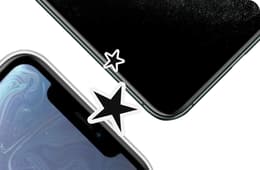
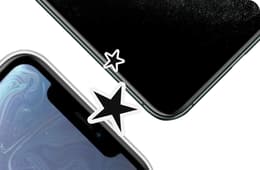
  • Size and Clarity: The iPhone XR offers a larger 6.1-inch screen for those who prefer more viewing area, but the iPhone 11 Pro’s 5.8-inch display has a higher pixel density, resulting in sharper text and finer detail in images.

Resolution

1125 x 2436

828 x 1792

Screen type

Super Retina XDR OLED

Liquid Retina IPS LCD

Audiovisual

The camera systems represent a generational leap, with the iPhone 11 Pro offering significantly more versatility for photography and video enthusiasts.

  • Camera Versatility: The iPhone XR relies on a single wide-angle lens, whereas the iPhone 11 Pro features a triple-lens system including ultra-wide and telephoto options, allowing users to capture expansive landscapes or zoom in on distant subjects without losing detail.
  • Low-Light Performance: A dedicated Night mode on the iPhone 11 Pro allows for clear, detailed photos in dark environments, a feature that is absent on the iPhone XR, which struggles more with grain and loss of detail in dim lighting.
  • Audio and Video Recording: Both devices record high-quality 4K video, but the iPhone 11 Pro offers improved extended dynamic range and more sophisticated microphones, resulting in richer sound and better-balanced highlights and shadows in video clips.

Main camera

12 megapixels

12 megapixels

Front camera

12 megapixels

7 megapixels

Miscellaneous

Beyond the core specifications, several practical differences in design and connectivity influence how these devices feel and function in daily life.

  • Physical Dimensions: The iPhone XR is noticeably larger and wider, which may appeal to those who like a substantial device, while the iPhone 11 Pro is more compact and easier to operate with one hand despite its slightly heavier weight due to the steel frame.
  • Biometric Security: Both phones utilise Face ID for secure unlocking and payments, but the sensors on the iPhone 11 Pro are refined to work from more varied angles and at slightly faster speeds than the first-generation system in the XR.
  • Connectivity and Ports: Both models use the Lightning port for charging and data transfer and support 4G LTE networks, ensuring compatibility with a wide range of existing accessories and providing reliable mobile data speeds for standard browsing and streaming.

Weight

188 g

194 g

Screen size (in)

5.8

6.1

Mobile network

4G

4G

SIM card

Physical SIM + eSIM

Physical SIM + eSIM

Carrier compatibility

Unlocked

Unlocked

Connector

Lightning

Lightning

Public sentiment from user forums and long-term reviews highlights distinct strengths for both devices. The iPhone XR is frequently praised for its reliable battery life and the variety of colour options it offered at launch, with many users finding its screen size to be a comfortable middle ground for general use. However, some users note that the single camera can feel limiting for creative photography. Conversely, the iPhone 11 Pro is lauded for its exceptional display quality and the versatility of its triple-camera system, though some users find the smaller screen size less ideal for long-form video consumption.

Users who prioritise a larger screen and a simpler interface for everyday tasks like social media and web browsing may find the iPhone XR meets their needs perfectly. Those who require advanced photographic tools, a more compact form factor, or the highest possible screen clarity will likely lean toward the iPhone 11 Pro. Choosing a quality-assured refurbished option for either model is a sustainable choice that helps reduce electronic waste while providing a reliable device. Ultimately, the decision rests on whether the user values the professional-grade features of the 11 Pro or the straightforward, large-screen experience of the XR. Both remain capable smartphones as an eco-friendly alternative to buying new hardware.