iPhone 13 Vs iPhone XR

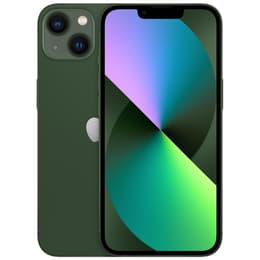
iPhone 13
iPhone 13
Starting at

Refurbished price:£178.00

Versus £599.00 new

See options
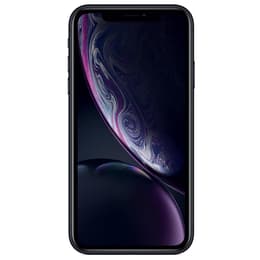
iPhone XR
iPhone XR
Starting at

Refurbished price:£95.00

Versus £399.00 new

See options

Ratings

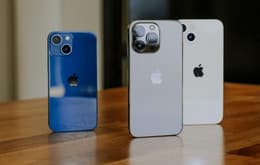
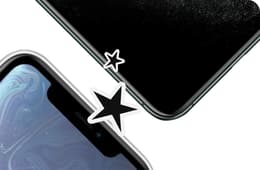
The iPhone 13, launched in 2021, and the iPhone XR, released in 2018, represent two distinct generations of the smartphone experience. While both devices operate on the same intuitive iOS ecosystem, the three-year gap between them introduces significant advancements in display technology, processing power, and mobile connectivity. The iPhone 13 features a refined, flat-edge design and a dual-camera system, whereas the iPhone XR maintains the classic rounded aesthetic with a single-lens setup. This comparison explores how these hardware differences translate into daily use for different types of users.

Choosing between these models involves weighing the benefits of a more modern, feature-rich device against a simpler, well-established classic. While the iPhone 13 offers contemporary features like 5G and an OLED screen, the iPhone XR remains a functional choice for those who prioritise essential smartphone tasks. Both devices continue to receive software updates, though their remaining lifespans differ based on their original release dates. This guide provides a neutral overview to help you determine which model best suits your specific requirements and daily habits.

Scores

Durability

The age difference between these two models is a primary factor in determining how long they will remain compatible with the latest software and security features.

  • Software Support Duration: The iPhone 13 is expected to receive official iOS updates for several years beyond the iPhone XR, as it was released much later in the product cycle. This ensures that users of the newer model will have access to the latest app compatibility and system improvements for a longer period.
  • Physical Resilience: The iPhone 13 is equipped with a Ceramic Shield front cover, which provides significantly better protection against accidental drops compared to the standard glass used on the iPhone XR. Additionally, the iPhone 13 features improved water resistance ratings, allowing it to withstand deeper submersion for longer durations.
  • Repairability and Maintenance: Both devices are well-supported by repair networks, but the iPhone 13's internal design is slightly more modular, which can simplify certain common repairs like battery replacements. As the iPhone XR ages, finding original components may become more challenging compared to the more recent iPhone 13.

Year of Release

2021

2018

Compatible with latest Update

Yes

Yes

OS

iOS

iOS

Foldable

No

No

Performance

In terms of daily responsiveness and handling demanding applications, the internal hardware of the iPhone 13 provides a noticeably smoother experience than the older iPhone XR.

  • System Fluidity: The iPhone 13 handles multitasking and high-end mobile gaming with ease, showing virtually no lag when switching between resource-heavy apps. In contrast, the iPhone XR may experience occasional slowdowns when running the most modern, demanding software or when many background processes are active.
  • Battery Efficiency: Users will find that the iPhone 13 offers considerably longer battery life during typical use, such as web browsing or video playback. This is due to a more efficient internal architecture that manages power consumption more effectively than the older components found in the iPhone XR.
  • Future-Proofing: With more memory and a more capable processing unit, the iPhone 13 has more performance headroom to handle future software updates. This makes it better suited for users who plan to keep their device for several years without experiencing a decline in speed.

Memory (GB)

4 GB

3 GB

Screen quality

The transition from the LCD technology of the iPhone XR to the OLED display of the iPhone 13 marks one of the most significant visual upgrades between these generations.

  • Contrast and Colour: The iPhone 13 features an OLED panel that delivers true blacks and vibrant colours by allowing individual pixels to turn off completely. The iPhone XR uses an LCD screen, which relies on a backlight, resulting in slightly greyish blacks and less intense colour saturation in comparison.
  • Clarity and Detail: With a much higher pixel density, the iPhone 13 provides sharper text and more detailed images, making it ideal for reading long articles or viewing high-resolution photos. The iPhone XR has a lower resolution, which is sufficient for general use but lacks the crispness of the newer model.
  • Outdoor Visibility: The iPhone 13 can reach much higher brightness levels, which significantly improves readability when using the phone in direct sunlight. While the iPhone XR is capable for indoor use, its screen can be more difficult to see clearly in bright outdoor environments.

Resolution

1170 x 2532

828 x 1792

Screen type

Super Retina XDR OLED

Liquid Retina IPS LCD

Audiovisual

The camera systems on these devices offer very different levels of versatility, particularly when it comes to low-light photography and creative video features.

  • Lens Versatility: The iPhone 13 includes both a wide and an ultra-wide lens, allowing users to capture expansive landscapes or tight indoor spaces with ease. The iPhone XR features a single wide-angle lens, which limits the user's ability to adjust the field of view without moving physically.
  • Low-Light Capability: A dedicated Night mode on the iPhone 13 enables clear, detailed photography in dark settings by using advanced software processing. The iPhone XR lacks this feature, often resulting in grainier or darker images when shooting in dim environments.
  • Video Innovation: For those interested in videography, the iPhone 13 introduces Cinematic mode, which automatically shifts focus between subjects to create a professional depth-of-field effect. The iPhone XR provides high-quality standard video but lacks these advanced creative tools and the improved stabilisation found in the newer model.

Main camera

12 megapixels

12 megapixels

Front camera

12 megapixels

7 megapixels

Miscellaneous

Beyond the core specifications, several practical hardware differences affect how these phones feel in the hand and connect to modern networks.

  • Network Connectivity: The iPhone 13 supports 5G connectivity, enabling much faster download and upload speeds in areas with 5G coverage. The iPhone XR is limited to 4G LTE, which remains reliable but cannot match the peak data performance of the newer standard.
  • Design and Ergonomics: Despite having the same screen size, the iPhone 13 is lighter and has a more compact footprint due to its thinner bezels and flat-edge design. This makes it slightly easier to handle and fit into pockets compared to the slightly bulkier and heavier iPhone XR.
  • Accessory Ecosystem: The iPhone 13 includes MagSafe technology, allowing for the easy attachment of magnetic chargers, wallets, and other accessories. The iPhone XR uses standard wireless charging and does not have the internal magnets required for the MagSafe ecosystem.

Weight

173 g

194 g

Width

7,15 cm

7,57 cm

Height

13,676 cm

15,09 cm

Screen size (in)

6.1

6.1

Mobile network

5G

4G

SIM card

Physical SIM + eSIM

Physical SIM + eSIM

Carrier compatibility

Unlocked

Unlocked

Connector

Lightning

Lightning

User discussions on platforms like Reddit often highlight the iPhone XR as a durable and reliable device for those with straightforward needs, though many long-term owners note that the battery and screen are beginning to show their age. In contrast, the iPhone 13 is frequently celebrated for its significant jump in display quality and its ability to last through a full day of heavy use without needing a charge. While some users still prefer the rounded edges of the XR for comfort, the consensus points toward the iPhone 13 as a more capable all-rounder for modern mobile life.

Users who prioritise high-quality photography, a vibrant OLED screen, and the fastest possible mobile data will find the iPhone 13 to be the more suitable choice. Conversely, those who primarily use their phone for basic communication and light browsing may find the iPhone XR to be a practical option that covers all the essentials. For those looking to make a sustainable choice, a quality-assured refurbished option provides a way to access these technologies while reducing environmental impact. Choosing a refurbished model is an eco-friendly alternative that ensures the device has been thoroughly tested for performance and reliability. Ultimately, both phones remain functional choices, but the iPhone 13 offers a more future-proof experience for the years ahead.