
Compare models

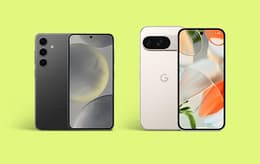
Galaxy Z Fold4 Vs Google Pixel 10

  • 1-year minimum warranty
  • Free delivery on all items
  • Free 30-day returns
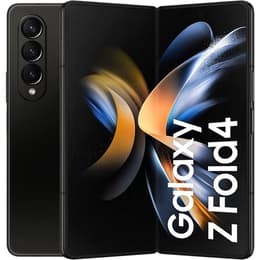
Galaxy Z Fold4
Starting at

Refurbished price:£363.00

Versus £1,889.00 new

See options
Google Pixel 10
Starting at

Refurbished price:£404.00

Versus £789.14 new

See options

Differences at a glance

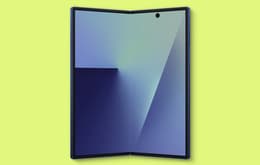
The Samsung Galaxy Z Fold4 (2022) and the Google Pixel 10 (2025) represent two entirely different approaches to modern smartphone engineering. While the Galaxy Z Fold4 is a pioneering foldable device that opens up into a tablet-sized workspace, the Google Pixel 10 is a traditional slate smartphone focused on everyday reliability, refined artificial intelligence, and a classic candy bar form factor. Both devices run the Android operating system with custom manufacturer interfaces, but they cater to fundamentally distinct user lifestyles through their unique physical designs.

Available Models

Colour

Storage

Scores

Durability

When evaluating structural longevity and software support, these two devices reflect different generations of mobile technology and support timelines.

    Software longevity: The Google Pixel 10 benefits from an extended software support window spanning multiple major operating system updates, whereas the older Galaxy Z Fold4 approaches the latter half of its official update cycle.
    Physical durability: The Google Pixel 10 relies on a traditional slate structure with robust water resistance and standard drop protection, while the Galaxy Z Fold4 features a complex mechanical hinge and a flexible inner display that requires more mindful daily handling.
    Repairability and wear: Traditional slate phones like the Pixel 10 generally present fewer long-term mechanical vulnerabilities than folding devices, making the folding screen mechanism of the Samsung device a key factor to consider for multi-year ownership.

Year of Release

2022

2025

Compatible with latest Update

Yes

Yes

OS

Android

Android

Foldable

Yes

No

Performance

Underneath the surface, both smartphones handle intensive daily routines, multitasking, and demanding mobile applications smoothly, though they utilize different generations of internal processing hardware.

    Multitasking and memory: The Galaxy Z Fold4 is equipped with generous memory capacity tailored to run multiple split-screen applications simultaneously, whereas the Google Pixel 10 utilizes its current-generation processor and software optimization to manage everyday tasks and background processes efficiently.
    Storage configurations: Both models provide robust internal storage options for apps, media, and offline files, though neither device supports expandable storage via memory cards.
    Battery behavior: The Pixel 10's traditional display setup offers predictable daily power consumption, whereas the Galaxy Z Fold4's larger unfolded screen requires more energy management during extended tablet-mode sessions.

Screen quality

The display experience is the most dramatic differentiator between these two models, shaping how users consume media, read documents, and interact with visual content.

    Display format: The Galaxy Z Fold4 offers a dual-screen experience with a standard cover display and an expansive, tablet-sized folding inner display, while the Google Pixel 10 features a single, highly vibrant flat screen with a fluid refresh rate.
    Brightness and outdoor clarity: Both devices deliver high peak brightness levels to ensure readability under direct sunlight, though newer panel technology on the Pixel 10 yields exceptional outdoor visibility.
    Refresh rate and smoothness: Both screens support high refresh rates, ensuring seamless scrolling, responsive touch input, and fluid animations during daily navigation and gaming.

Resolution

1812 x 2176

1080x2424

Screen type

Foldable Dynamic AMOLED 2X

OLED

Audiovisual

Photography and media capabilities vary significantly based on physical layout and integrated image processing software.

    Camera versatility: The Galaxy Z Fold4 provides a flexible multi-lens setup that allows users to take photos while the device is propped open at various angles, whereas the Google Pixel 10 relies on advanced computational photography to produce balanced, natural images across standard and zoomed focal lengths.
    Low-light performance: Both smartphones capture clear details in dim environments, though automated software processing helps preserve highlights and shadows effectively during night shots.
    Media and audio output: Stereo speakers on both devices deliver clear sound for video playback and calls, while the Fold4 provides a more immersive widescreen cinematic canvas when unfolded.

Front camera

4 megapixels

42 megapixels

Miscellaneous

Practical daily usability elements, connectivity standards, and physical handling characteristics define how each device fits into a user's pocket or bag.

    Dimensions and weight: The Google Pixel 10 features a traditional, lightweight slate footprint that is comfortable for single-handed use, whereas the Galaxy Z Fold4 is heavier and thicker when folded due to its multi-layer screen and hinge mechanics.
    Connectivity and ports: Both devices support rapid 5G network speeds, modern wireless standards, and USB Type-C charging ports for universal compatibility.
    Security features: Both models incorporate biometric authentication through responsive fingerprint sensors and facial recognition options for quick unlocking.

Weight

263 g

204 g

Screen size (in)

7.6

6.3

Mobile network

5G

5G

SIM card

Dual Physical SIM + eSIM

Physical SIM + eSIM

Carrier compatibility

Unlocked

Unlocked

What the community thinks

Users seeking a traditional, pocket-friendly smartphone with advanced computational photography and long-term software backing will find the Google Pixel 10 well-suited to their daily routines. Conversely, users who prioritize maximum screen estate, split-screen multitasking, and a tablet-like device wrapped into a portable footprint will lean toward the Galaxy Z Fold4. Common praise for the Pixel 10 centers on its reliable battery life and intelligent software features, while owners of the Fold4 frequently highlight the unmatched convenience of the large inner screen for productivity and media consumption. Reviewers note that while the folding design introduces unique physical considerations, it delivers a versatile computing experience that standard phones cannot replicate. Deciding between the two ultimately comes down to whether physical form factor versatility or classic slate reliability matters more to your daily workflow. For shoppers exploring sustainable technology choices, quality-assured refurbished options provide an eco-friendly alternative that extends the lifecycle of premium electronics. Both devices offer robust capabilities, ensuring that your choice depends entirely on how you prefer to interact with your mobile device.