

Compare models
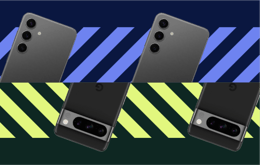
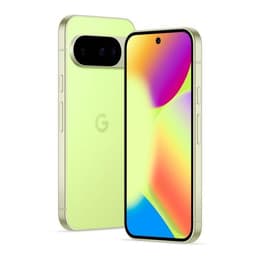
Google Pixel 10 Vs Google Pixel 10a
- 1-year minimum warranty
- Free delivery on all items
- Free 30-day returns
Differences at a glance
The Google Pixel 10 and the Google Pixel 10a represent two distinct approaches to modern smartphone design within Google's device lineup, having launched in late 2025 and early 2026 respectively. While both devices share identical screen dimensions, they cater to different user expectations by balancing core processing capabilities, physical construction, and camera versatility. Running on the Android operating system out of the box, both smartphones deliver Google's signature software experience while targeting distinct feature priorities for everyday users.
Available Models
Colour
Storage (GB)
Scores
Durability
When examining structural longevity and software support, both models provide long-term viability through extensive manufacturer commitments, though their hardware lifespans reflect their respective market positions.
- Software Support: Both devices benefit from up to 7 major operating system updates from their respective launch dates, ensuring long-term feature additions and security patches.
- Build and Repairability: The Google Pixel 10 features robust materials and an IP68 water resistance rating matching the Google Pixel 10a, though the latter utilizes a composite matte back designed for everyday resilience.
- Expected Lifespan: Both models are built to sustain years of daily use, with multi-year update cycles supporting steady performance over time.
Year of Release
2025
2026
Compatible with latest Update
Yes
Yes
OS
Android
Android
Foldable
No
No
Performance
Underneath the surface, the Google Pixel 10 and Google Pixel 10a handle everyday applications, web browsing, and system multitasking differently based on their internal hardware configurations.
- Multitasking and Memory: The Google Pixel 10 includes increased random access memory capacity to support smooth background app switching, while the Google Pixel 10a handles standard daily multitasking comfortably with its configured memory.
- System Responsiveness: The Google Pixel 10 utilizes a generation-ahead processor that manages demanding mobile games and intensive apps with minimal friction, whereas the Google Pixel 10a provides efficient processing focused on reliable day-to-day utility.
- Battery Behavior: Both devices deliver full-day battery capacities with efficient power management, though actual endurance varies depending on whether users engage in heavy multimedia streaming or casual messaging.
Screen quality
Visual output across both smartphones offers sharp clarity and fluid motion for viewing media, reading articles, and navigating menus outdoors.
- Display Technology: Both models feature a 6.3-inch panel utilizing organic light-emitting diode technology, delivering deep contrast levels and vivid color reproduction.
- Refresh Rate: Both devices support an adaptive refresh rate scaling up to 120Hz, ensuring smooth scrolling through web pages and fluid animation transitions.
- Brightness and Clarity: Both screens offer high maximum brightness thresholds for comfortable outdoor visibility, backed by a crisp resolution that keeps text sharp and legible.
Resolution
1080x2424
1080x2424
Audiovisual
Optics and multimedia performance differ noticeably between the two models, primarily driven by the hardware configurations housed on their respective rear panels.
- Camera Systems: The Google Pixel 10 incorporates a triple-lens rear array featuring a dedicated telephoto option for distance zoom clarity, whereas the Google Pixel 10a relies on a dual-lens setup focused on wide and ultra-wide perspectives.
- Everyday Photography: Both models utilize advanced computational photography tools to produce clear low-light imagery and natural portrait background separation.
- Audio and Video: Both devices deliver clear stereo speaker output for media consumption alongside crisp microphone performance during voice calls and video recordings.
Front camera
42 megapixels
13MP
Miscellaneous
Practical daily usability elements, physical dimensions, and connectivity options shape how each device fits into travel and professional routines.
- Physical Dimensions: Both smartphones share a 6.3-inch form factor, but differ slightly in weight and thickness due to their distinct frame and back panel materials.
- Connectivity Standards: Both models incorporate modern wireless standards including 5G compatibility, fast Wi-Fi protocols, and Bluetooth connectivity for peripheral accessories.
- Security Sensors: Each device features rapid biometric authentication via responsive optical in-screen fingerprint sensors and secure facial recognition tools.
Weight
204 g
183 g
Screen size (in)
6.3
6.3
Mobile network
4G
5G
SIM card
Physical SIM + eSIM
Physical SIM + eSIM
Carrier compatibility
Unlocked
Unlocked
Connector
USB-C
USB-C
What the community thinks
Choosing between the Google Pixel 10 and the Google Pixel 10a depends heavily on individual feature preferences and daily usage habits. Users who prioritize advanced camera versatility, including dedicated optical zoom capabilities and high-end processing headroom for demanding tasks, will find the Google Pixel 10 well-suited to their needs. Conversely, users who focus on essential smartphone functionality, dependable battery endurance, and a streamlined everyday experience will lean toward the Google Pixel 10a as a balanced alternative.
For those exploring sustainable options, choosing a quality-assured refurbished option through Back Market provides an eco-friendly alternative that extends the lifecycle of these devices without compromising on functional reliability.