
Compare models

Google Pixel 10a Vs iPhone 16

  • 1-year minimum warranty
  • Free delivery on all items
  • Free 30-day returns
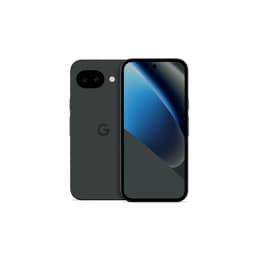
Google Pixel 10a
Starting at

Refurbished price:£360.00

Versus £475.20 new

See options
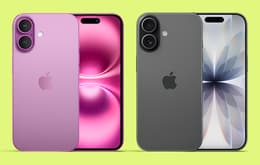
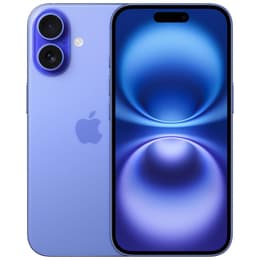
iPhone 16
Starting at

Refurbished price:£476.00

Versus £799.00 new

See options

Differences at a glance

The Google Pixel 10a (2026) and the iPhone 16 (2024) represent two distinct approaches to contemporary smartphone design and daily usability. Operating on Android and iOS respectively, these devices offer contrasting software ecosystems while serving users who expect dependable, everyday reliability. The primary differences lie in their platform experiences, hardware integration, and overall physical construction, making each model uniquely suited to different user preferences.

Available Models

Colour

Storage (GB)

Scores

Durability

When examining longevity and durability, both devices are built to remain functional and secure over several years of regular daily use.

  • Software longevity: The Google Pixel 10a provides extensive operating system support spanning multiple major updates, matching the long-term update window typically offered by the iPhone 16.
  • Repairability: Both manufacturers design their hardware to meet standard industry standards for maintenance, though local repair accessibility can vary depending on regional service networks.
  • Expected lifespan: Solid build materials and sustained software updates ensure that both smartphones maintain reliable performance throughout a multi-year ownership cycle.

Year of Release

2026

2024

Compatible with latest Update

Yes

Yes

Foldable

No

No

Performance

Daily responsiveness and multitasking capabilities vary based on internal hardware optimization and memory configuration across both models.

  • Processor capabilities: Both devices handle standard multitasking, fast web browsing, and demanding mobile games smoothly without noticeable lag.
  • Battery behavior: The Google Pixel 10a features a high-capacity battery designed to easily sustain a full day of mixed usage, while the iPhone 16 relies on power-efficient hardware architecture to deliver comparable daily endurance.
  • Storage options: Both models are available in multiple storage capacities starting at standard baseline tiers, accommodating apps, media, and documents without expandable storage slots.

Screen quality

Visual clarity and display responsiveness play a central role in the user experience of both smartphones.

  • Display technology: Both devices utilize vibrant OLED display panels that deliver deep contrast levels, rich colors, and sharp text rendering.
  • Outdoor visibility: High peak brightness capabilities on both screens ensure content remains legible under direct sunlight or bright ambient lighting conditions.
  • Screen dimensions: The Google Pixel 10a offers a slightly larger viewing area, whereas the iPhone 16 provides a more compact footprint that is easier to handle with one hand.

Resolution

1080x2424

1179 x 2556

Screen type

P-OLED

Super Retina XDR OLED

Audiovisual

Photography and media capture capabilities reflect each manufacturer's distinct computational and hardware tuning strategies.

  • Camera systems: Both smartphones feature multi-lens rear camera setups that capture detailed high-resolution photographs in everyday environments.
  • Low-light performance: Advanced image processing on both models brightens dark scenes effectively while preserving natural shadows and minimizing digital noise.
  • Video and audio: Video recording remains stable and clear on both devices, complemented by balanced internal microphones and stereo speakers suitable for media playback.

Main camera

48

48 megapixels

Front camera

13MP

12 megapixels

Miscellaneous

Physical design choices and connectivity standards shape how each device fits into everyday routines.

  • Connectivity: Both models support modern 5G networks, fast Wi-Fi standards, and reliable Bluetooth pairing for wireless accessories.
  • Port types: Each device utilizes a standard reversible charging port connector, aligning with modern universal accessory guidelines.
  • Build and handling: The iPhone 16 incorporates aerospace-grade aluminum and durable glass, while the Google Pixel 10a uses a balanced combination of aluminum and matte composite materials designed for comfortable grip.

Weight

183 g

170 g

Screen size (in)

6.3

6.1

Mobile network

5G

5G

SIM card

Physical SIM + eSIM

Physical SIM + eSIM

Carrier compatibility

Unlocked

Unlocked

Connector

USB-C

USB-C (USB 2)

What the community thinks

User feedback from online communities highlights distinct preferences for each device. Owners of the Google Pixel 10a frequently praise its clean software interface, reliable all-day battery life, and powerful automated photo editing tools. Conversely, iPhone 16 users often emphasize the seamless ecosystem integration, consistent video recording quality, and premium build feel as standout attributes. Common criticisms for the Pixel occasionally center on slower charging speeds compared to competitors, while iPhone users sometimes note limitations within the closed file management system.

Users prioritizing deep software customization, an open file structure, and long-term update commitments will find the Google Pixel 10a well-suited to their daily routines. Meanwhile, users embedded in the Apple ecosystem who value streamlined device synchronization and advanced video capabilities may lean toward the iPhone 16. For buyers looking for an eco-friendly, quality-assured alternative, choosing a certified refurbished model provides a sustainable path to owning either device.