Galaxy S20 5G Vs iPhone 8 Plus

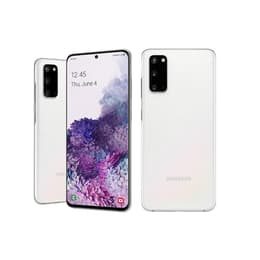
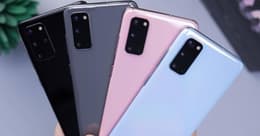
Galaxy S20 5G
Galaxy S20 5G
Starting at

Refurbished price:£133.00

Versus £899.00 new

See options
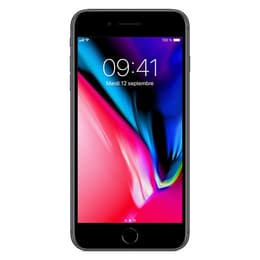
iPhone 8 Plus
iPhone 8 Plus
Starting at

Refurbished price:£84.00

Versus £249.00 new

See options

Ratings

The Samsung Galaxy S20 5G, released in March 2020, and the iPhone 8 Plus, launched in September 2017, represent different eras in smartphone technology. While both devices offer a premium experience for their respective times, the Galaxy S20 5G introduces a more modern design, advanced display technology, and enhanced camera capabilities compared to the iPhone 8 Plus. The primary distinction lies in their operating systems, with the Galaxy S20 5G running Android and the iPhone 8 Plus operating on iOS.

Scores

Durability

When considering the practical lifespan of these devices, their release timelines and software support play a significant role.

  • Release Timeline: The Galaxy S20 5G was released in March 2020, making it over two and a half years newer than the iPhone 8 Plus, which debuted in September 2017. This age difference directly impacts the duration of future software updates and overall longevity.
  • OS Support: The Galaxy S20 5G launched with Android 10 and has received updates up to Android 13 with One UI 5.1, indicating a solid period of major software support. The iPhone 8 Plus, initially on iOS 11, has been updated to iOS 16.7.15 as of March 2026, showcasing Apple's extended software commitment for its devices. Users prioritizing the latest software features will find the newer device generally receives updates for a longer period from the current date.
  • Physical Durability: The Galaxy S20 5G features IP68 dust and water resistance, allowing it to withstand submersion in up to 1.5 meters of water for 30 minutes. It also incorporates Corning Gorilla Glass 6 on both the front and back for enhanced scratch and drop protection. The iPhone 8 Plus offers IP67 water and dust resistance, protecting against submersion in up to 1 meter of water for 30 minutes, and features a glass front and back.

Year of Release

2020

2017

Compatible with latest Update

No

No

OS

Android

iOS

Foldable

No

No

Performance

The performance of these two smartphones reflects the technological advancements made between their respective release years, impacting everything from app responsiveness to gaming.

  • Processing Power: The Galaxy S20 5G is equipped with a more recent generation processor, either the Qualcomm Snapdragon 865 or the Exynos 990, depending on the region. This allows for smoother handling of demanding applications, faster multitasking, and a more fluid user experience, particularly with graphically intensive games. The iPhone 8 Plus, powered by its A11 Bionic chip, delivered strong performance at its launch, but is now several generations behind, meaning newer, more complex apps may not run as efficiently.
  • Multitasking and Storage: The Galaxy S20 5G typically comes with 12GB of RAM, providing ample capacity for running numerous applications simultaneously without slowdowns. It also offers 128GB of internal storage, expandable via a microSD card, which is beneficial for users with large media libraries or extensive app collections. The iPhone 8 Plus features 3GB of RAM and storage options up to 256GB, but without expandable storage, users must manage their space more carefully.
  • Battery Behavior: The Galaxy S20 5G houses a 4000 mAh battery, which, combined with its efficient processor and display, generally provides a full day of moderate to heavy use. The iPhone 8 Plus has a 2691 mAh battery, which, while optimized for its ecosystem, may require more frequent charging for heavy users, especially given its age.

Memory (GB)

12 GB

3 GB

Screen quality

The visual experience on these devices differs significantly due to advancements in display technology over time.

  • Display Technology and Clarity: The Galaxy S20 5G features a 6.2-inch Dynamic AMOLED 2X display, offering vibrant colors, deep blacks, and excellent contrast. Its resolution of 3200x1440 pixels (QHD+) results in a very sharp image, making text and fine details appear crisp. The iPhone 8 Plus has a 5.5-inch IPS LCD Retina HD display with a resolution of 1920x1080 pixels. While it provides accurate colors and good viewing angles, it does not match the contrast or pixel density of the AMOLED panel.
  • Brightness and Smoothness: The Galaxy S20 5G supports HDR10+ and offers a 120Hz refresh rate (at FHD resolution), which provides noticeably smoother scrolling and more fluid animations, enhancing the overall user interaction and gaming experience. The iPhone 8 Plus has a standard 60Hz refresh rate and features True Tone technology, which adjusts the display's white balance to match the ambient light, providing a more natural viewing experience. Its typical maximum brightness is 625 nits.
  • Viewing Experience: The larger, higher-resolution, and higher refresh rate screen of the Galaxy S20 5G offers a more immersive viewing experience for media consumption and general use. The iPhone 8 Plus, while still providing a good display, has a more traditional smartphone screen experience.

Resolution

1440 x 3200

1080 x 1920

Screen type

Dynamic AMOLED 2X

Retina IPS LCD

Audiovisual

Both devices offer capable camera systems, but the Galaxy S20 5G benefits from more recent advancements in mobile photography.

  • Rear Camera System: The Galaxy S20 5G features a versatile triple-camera setup on the rear, including a 12-megapixel wide lens, a 64-megapixel telephoto lens with 3x hybrid optical zoom, and a 12-megapixel ultrawide lens. This configuration allows for greater flexibility in capturing different types of shots, from expansive landscapes to detailed zoomed-in subjects. The iPhone 8 Plus has a dual 12-megapixel camera system, consisting of a wide-angle lens and a telephoto lens with 2x optical zoom, which is effective for portraits and zooming.
  • Photography Performance: The Galaxy S20 5G generally offers strong performance in various lighting conditions, with its larger sensors and advanced processing contributing to better low-light photos and more detailed images. It also supports 8K video recording. The iPhone 8 Plus excels in everyday photography with consistent image quality and features like Portrait Mode and Portrait Lighting, which enhance subject isolation and creative effects. It records video at up to 4K resolution.
  • Front Camera and Audio: The Galaxy S20 5G includes a 10-megapixel front camera, suitable for high-quality selfies and video calls. The iPhone 8 Plus has a 7-megapixel front camera. Both phones feature stereo speakers, providing a more immersive audio experience for media consumption.

Main camera

12 megapixels

12 megapixels

Front camera

10 megapixels

7 megapixels

Miscellaneous

Beyond the core features, several practical elements differentiate these two smartphones in daily use.

  • Connectivity and Ports: A significant difference is the Galaxy S20 5G's support for 5G cellular networks, offering faster download and upload speeds in compatible areas. The iPhone 8 Plus is limited to LTE (4G) connectivity. The Galaxy S20 5G uses a USB-C port for charging and data transfer, a widely adopted standard. The iPhone 8 Plus utilizes Apple's proprietary Lightning port. Neither device includes a 3.5mm headphone jack.
  • Biometric Security: The Galaxy S20 5G features an ultrasonic in-display fingerprint sensor for convenient and secure unlocking. The iPhone 8 Plus relies on Touch ID, a physical fingerprint sensor integrated into the home button.
  • Physical Design and Handling: The Galaxy S20 5G measures 151.7 x 69.1 x 7.9 mm and weighs 163 grams, making it a more compact and lighter device. The iPhone 8 Plus is larger and heavier at 158.4 x 78.1 x 7.5 mm and 202 grams, which might impact one-handed use and pocketability for some users.

Weight

163 g

202 g

Screen size (in)

6.2

5.5

Mobile network

5G

4G

SIM card

Dual Physical SIM

Physical SIM

Carrier compatibility

Unlocked

Unlocked

Connector

USB-C

Lightning

The Samsung Galaxy S20 5G and iPhone 8 Plus cater to different user priorities, largely due to their generational gap and distinct operating systems. Users often praise the Galaxy S20 5G for its vibrant AMOLED display, smooth 120Hz refresh rate, and versatile camera system, which offers a modern and dynamic user experience. Its 5G connectivity and expandable storage are also frequently highlighted as strong advantages. Some common considerations for the S20 5G might include its battery performance under heavy 120Hz usage and the regional variations in its processor.

The iPhone 8 Plus is often commended for its consistent performance, reliable software updates, and the intuitive iOS ecosystem. Its physical home button with Touch ID is a preferred feature for some users, and its camera, while simpler than the S20 5G's, is still capable of producing good quality photos, especially with features like Portrait Mode. Criticisms sometimes point to its aging design with larger bezels and the LCD display technology, which doesn't offer the same visual punch as newer OLED panels.

Users prioritizing a cutting-edge display, advanced camera features, and the latest connectivity standards like 5G may find the Galaxy S20 5G better suited to their needs. Conversely, those who value the long-term software support and familiar interface of iOS, and prefer a physical home button, might lean towards the iPhone 8 Plus. Both devices, especially as quality-assured refurbished options, offer a sustainable choice for consumers looking to extend the life cycle of electronic products.
See all articles

Our recent comparisons