iPhones
Compare models
Differences at a glance
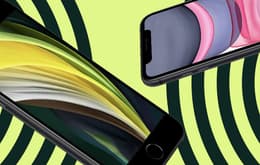
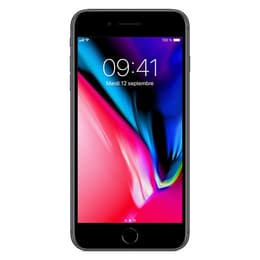
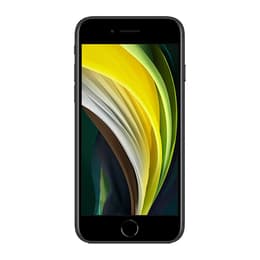
The iPhone 8 Plus (2017) and the iPhone SE 2020 (2020) are two smartphones that share a classic design language while offering very different internal capabilities. The iPhone 8 Plus was originally a flagship model with a larger footprint, whereas the iPhone SE 2020 was designed to provide modern performance in a more compact and familiar chassis. Both devices run on Apple's iOS, though the difference in their release dates means they are at different stages of their software support cycles and overall functional longevity in today's mobile environment.
This comparison explores how these two models balance screen size, camera features, and processing power to help you decide which fits your lifestyle. While they look similar at first glance, the three-year gap between them introduces significant differences in how they handle modern applications and how long they are expected to remain compatible with the latest software updates. Whether you prioritise a larger viewing area or a more agile and pocket-friendly device, understanding these practical distinctions is key to making an informed choice.
Colour
Storage
The age difference between these two models is the primary factor in determining their expected functional lifespan and software compatibility in the coming years.
Year of Release
Compatible with latest Update
OS
Foldable
The internal capabilities of these two models determine how they handle modern software and the demands of multitasking in a contemporary setting.
While both smartphones use similar display technology, the difference in screen size and resolution creates a distinct viewing experience for the user.
Resolution
Screen type
The photographic capabilities of these devices differ primarily in their hardware configuration and the sophistication of their image processing software.
Main camera
Front camera
The physical design and connectivity features of these two smartphones reflect their shared heritage but also highlight their different intended uses.
Weight
Screen size (in)
Mobile network
SIM card
Carrier compatibility
Connector
User consensus from various online forums suggests that the iPhone 8 Plus remains a popular choice for those who value a larger screen and a battery that can reliably last through a busy day. It is often praised for its sturdy build and the utility of its dedicated zoom lens, which remains a useful feature for many photographers. On the other hand, the iPhone SE 2020 is frequently recommended for users who want a fast, modern experience in a small form factor, with many praising its responsiveness and ease of handling. Some criticisms of the SE 2020 focus on its shorter battery life during heavy use, while the 8 Plus is sometimes noted for its larger physical footprint which may feel bulky to some users.
Users who prioritise media consumption and longer battery endurance may find the iPhone 8 Plus to be the more suitable option for their daily routines. Conversely, those who need a device that can keep up with the latest apps and fits easily into a pocket will likely prefer the iPhone SE 2020. Opting for a quality-assured refurbished option is a sustainable choice that allows users to enjoy these capable devices while reducing their environmental footprint. Choosing a refurbished smartphone ensures that these reliable models continue to provide value, supporting a more circular and eco-friendly approach to technology without compromising on functionality or quality.