Compare models
iPhone 12 mini Vs iPhone SE (2020)
- 1-year minimum warranty
- Free delivery on all items
- Free 30-day returns
Differences at a glance
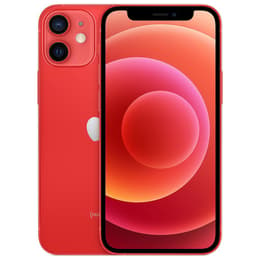
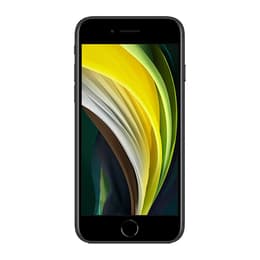
The iPhone 12 Mini (2020) and the iPhone SE (2020) are two compact smartphones from Apple that cater to users who prefer smaller devices. While both were released in the same year, they represent very different design philosophies and technical generations. The iPhone 12 Mini offers a modern, edge-to-edge display with advanced facial recognition, whereas the iPhone SE retains the classic design featuring a physical Home button and fingerprint sensor. Both devices run the same iOS software, ensuring a consistent user experience across Apple's ecosystem of apps and services, though their hardware capabilities lead to different long-term expectations.
Available Models
Colour
Storage (GB)
Scores
Durability
The iPhone 12 Mini and iPhone SE (2020) offer different levels of physical and software longevity based on their internal components and build materials.
- Software support: The iPhone 12 Mini is expected to receive software updates for a slightly longer period than the iPhone SE because it contains newer internal components. This means users can expect the latest security patches and features for an additional year or two, extending the functional life of the device.
- Physical build: The iPhone 12 Mini features a Ceramic Shield front cover, which provides better protection against accidental drops compared to the standard glass used on the iPhone SE. Additionally, the 12 Mini has a higher water resistance rating, making it more resilient against accidental spills and immersion.
- Repairability: Both devices are widely supported by repair services, though the iPhone SE's older design often makes certain components, like the screen or Home button, more straightforward to address for technicians.
Year of Release
2020
2020
Compatible with latest Update
Yes
Yes
OS
iOS
iOS
Foldable
No
No
Performance
While both phones are capable of handling daily tasks, the iPhone 12 Mini provides a more responsive experience for demanding users and multitasking.
- System responsiveness: The iPhone 12 Mini handles intensive multitasking and high-end mobile games with greater ease. Users will notice that apps open more quickly and the system remains fluid even when multiple background processes are running simultaneously.
- Battery management: Both devices feature smaller batteries due to their compact frames. The iPhone 12 Mini generally offers slightly better efficiency during video playback, but both models will require a mid-day charge for users who frequently use GPS, streaming, or gaming.
- Storage flexibility: Both models come with various storage capacities, allowing users to choose the amount of space they need for photos, videos, and applications without relying solely on cloud services.
Screen quality
The viewing experience is one of the most significant differences between these two compact handsets, impacting everything from reading to watching media.
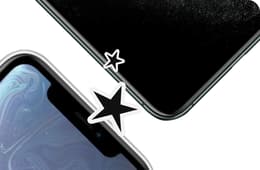
- Display technology: The iPhone 12 Mini uses an OLED screen, which delivers deep blacks, high contrast, and more vibrant colours. In contrast, the iPhone SE features an LCD screen, which provides natural colour reproduction but lacks the intense contrast and energy efficiency of its counterpart.
- Clarity and resolution: Despite its smaller physical footprint, the iPhone 12 Mini has a higher resolution and pixel density. This results in sharper text and more detailed images, making it better suited for reading long articles or watching high-definition videos.
- Brightness and outdoor use: The iPhone 12 Mini can reach higher peak brightness levels, which significantly improves visibility when using the phone outside under direct sunlight compared to the iPhone SE.
Resolution
1080 x 2340
750 x 1334
Screen type
Super Retina XDR OLED
Retina IPS LCD
Audiovisual
Photography and media consumption are areas where the iPhone 12 Mini shows its generational advantages through more versatile hardware.
- Camera versatility: The iPhone 12 Mini features a dual-camera system, including an ultra-wide lens that allows users to capture more of a scene in a single shot. The iPhone SE relies on a single wide lens, which is excellent for standard portraits but lacks the flexibility for wide landscapes or tight indoor spaces.
- Low-light performance: Users will find that the iPhone 12 Mini produces much clearer photos in dark environments thanks to its dedicated Night mode, a feature entirely absent from the iPhone SE.
- Video and audio: The iPhone 12 Mini supports advanced video recording formats that capture more detail in highlights and shadows. Its stereo speakers also provide a wider soundstage, making movies and music feel more immersive than on the iPhone SE.
Main camera
12 megapixels
12 megapixels
Front camera
12 megapixels
7 megapixels
Miscellaneous
Practical features like connectivity and biometrics define the daily interaction with these devices and how they fit into a modern lifestyle.
- Connectivity standards: The iPhone 12 Mini supports 5G networks, providing faster data speeds and better performance in crowded areas as networks continue to evolve. The iPhone SE is limited to 4G connectivity, which remains reliable but lacks the future-proofing of the newer standard.
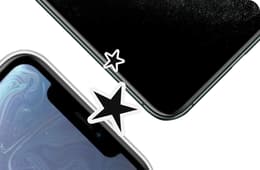
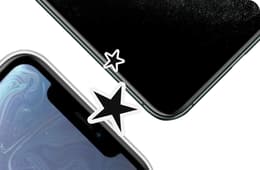
- Biometric security: The iPhone 12 Mini uses Face ID for secure unlocking and payments, which many find more convenient for hands-free use. The iPhone SE uses Touch ID, which is often preferred by users who frequently wear masks or prefer the tactile feedback of a physical button.
- Charging and accessories: The iPhone 12 Mini introduces MagSafe technology, allowing for easy attachment of magnetic chargers and wallets. The iPhone SE uses standard wireless charging and the traditional Lightning port for all wired connections.
Weight
135 g
148 g
Screen size (in)
5.4
4.7
Mobile network
5G
4G
SIM card
Physical SIM + eSIM
Physical SIM + eSIM
Carrier compatibility
Unlocked
Unlocked
Connector
Lightning
Lightning
What the community thinks
User feedback for these two devices highlights a clear divide in priorities. Owners of the iPhone SE often praise its familiar design and the reliability of the Home button, though many note that the battery life can be limiting for power users. Conversely, iPhone 12 Mini users frequently celebrate the device's incredibly small size paired with a large, high-quality screen, while some express a desire for longer endurance during heavy travel days.
Users who prioritize a classic interface and the simplicity of a fingerprint sensor will find the iPhone SE to be a dependable companion. Those who want the latest display technology, 5G connectivity, and more advanced camera performance in the smallest possible package will likely prefer the iPhone 12 Mini. Choosing a quality-assured refurbished option for either model is a sustainable choice that helps reduce electronic waste while providing a reliable smartphone experience. Both devices remain capable choices for different needs, whether you are a student looking for a compact tool or a professional needing a secondary device. Ultimately, the decision rests on whether you value the traditional feel of the SE or the modern features of the Mini. A quality-assured refurbished option ensures that these devices continue to serve users effectively while supporting an eco-friendly alternative to buying new.