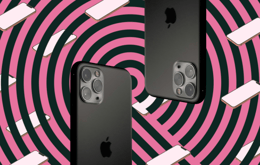
iPhones
Compare models
Differences at a glance
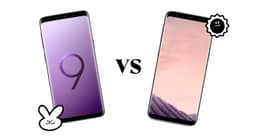
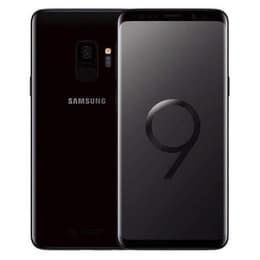
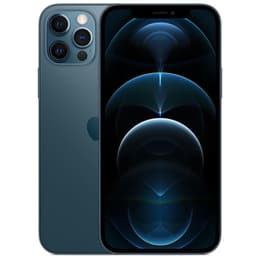
The Samsung Galaxy S9, an Android smartphone released in March 2018, and the iPhone 12 Pro, an iOS smartphone launched in October 2020, represent different generations and operating system ecosystems. While both are designed for everyday mobile use, key distinctions lie in their release timelines, camera capabilities, and connectivity features, reflecting advancements in smartphone technology over a two-year period.
Colour
Storage
Comparing the longevity of these two devices involves looking at their release dates, software support, and physical resilience.
Year of Release
Compatible with latest Update
OS
Foldable
The performance of a smartphone is influenced by its internal components, affecting how smoothly applications run and how efficiently power is managed.
The visual experience on a smartphone is largely defined by its display technology, resolution, and brightness capabilities.
Resolution
Screen type
The camera systems on both smartphones offer distinct capabilities for capturing photos and videos.
Main camera
Front camera
Beyond core features, several practical elements contribute to the overall user experience of these smartphones.
Weight
Width
Height
Depth
Screen size (in)
Mobile network
SIM card
Carrier compatibility
Connector
User feedback for the Samsung Galaxy S9 often highlights its innovative variable aperture camera and the convenient placement of its fingerprint sensor as strong points. However, some users expressed concerns regarding its battery life and noted that it wasn't a substantial upgrade over its predecessor for everyone.
For the iPhone 12 Pro, common praise centers on its advanced camera system, particularly its Dolby Vision video recording and the inclusion of the LiDAR scanner for enhanced low-light performance. Its powerful processing capabilities and robust design, featuring Ceramic Shield and IP68 water resistance, are also frequently mentioned positively. Criticisms sometimes point to its battery life, which was noted to be slightly smaller than its direct predecessor, and the decision to no longer include a power adapter in the box.
Users prioritizing a device with a traditional headphone jack and expandable storage may find the Galaxy S9 aligns better with their needs. Its variable aperture camera also offers a unique photographic capability. Conversely, those seeking a more modern device with longer software support, advanced computational photography, 5G connectivity, and a focus on video recording, particularly with Dolby Vision HDR, will likely lean towards the iPhone 12 Pro. Both devices offer distinct advantages depending on individual priorities. For those considering a more sustainable choice, quality-assured refurbished options for both models are available, providing an eco-friendly alternative to purchasing new.