Galaxy S9 Vs iPhone 13

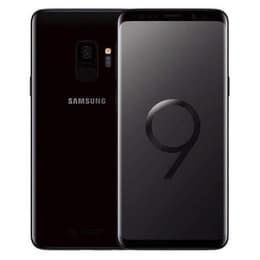
Galaxy S9
Galaxy S9
Starting at

Refurbished price:£77.00

Versus £449.00 new

See options
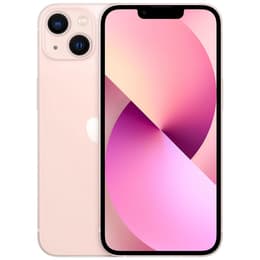
iPhone 13
iPhone 13
Starting at

Refurbished price:£205.00

Versus £599.00 new

See options

Ratings

The Samsung Galaxy S9 (2018) and the iPhone 13 (2021) represent two distinct eras of smartphone development. While the Galaxy S9 was a pioneer of the curved-edge aesthetic and high-resolution displays in the late 2010s, the iPhone 13 arrived three years later, introducing modern standards for battery efficiency, 5G connectivity, and computational photography. These devices operate on fundamentally different platforms, with the Galaxy S9 utilising the Android operating system and the iPhone 13 running on Apple's iOS.

Choosing between these two models involves weighing the benefits of legacy features, such as the headphone jack and expandable storage found on the Samsung, against the longevity and modern performance capabilities of the iPhone. This comparison explores how these hardware and software differences translate into daily use for different types of users, from casual browsers to those requiring a device for more intensive tasks.

Scores

Durability

The age gap between these two smartphones significantly impacts their long-term utility and software compatibility in the current landscape.

  • Software Support Longevity: The Galaxy S9 reached its final official software update with Android 10 in 2020, and security patches concluded around 2022. In contrast, the iPhone 13 is expected to receive major operating system updates until approximately 2027 or 2028, with security support extending even further. This makes the iPhone 13 a much more viable option for users prioritising access to the latest app versions and security features.
  • Physical Durability and Repair: The Galaxy S9 features a distinctive curved glass design that, while visually striking, can be more susceptible to damage from drops and often requires more specialised handling during repairs. The iPhone 13 utilises a flat design with Ceramic Shield glass, which is engineered for increased drop resistance. Both devices offer high levels of water and dust resistance, though the iPhone 13's newer seals may provide more reliable protection over time.

Year of Release

2018

2021

Compatible with latest Update

No

Yes

OS

Android

iOS

Foldable

No

No

Performance

Performance differences are most noticeable when handling modern, resource-heavy applications or multitasking between several demanding tools.

  • System Responsiveness: The internal architecture of the iPhone 13 is designed for high efficiency, allowing it to handle intensive gaming, high-definition video editing, and rapid app switching without significant slowdown. The Galaxy S9 remains capable for basic tasks like messaging, web browsing, and light social media use, but users may notice longer loading times and occasional stuttering when running contemporary, heavy applications.
  • Battery Endurance and Efficiency: While both devices have similar physical battery capacities, the iPhone 13 benefits from more modern power management technology. This results in a device that can comfortably last through a full day of varied use, whereas the Galaxy S9 may require more frequent charging, especially for users who are active on their phones throughout the day.
  • Storage Flexibility: The Galaxy S9 offers the advantage of a microSD card slot, allowing users to easily expand their storage for photos and files. The iPhone 13 relies on fixed internal storage options, requiring users to select their needed capacity at the point of purchase or utilise cloud-based services for additional space.

Memory (GB)

4 GB

4 GB

Screen quality

Both manufacturers are known for high-quality displays, but they prioritise different aspects of the visual experience.

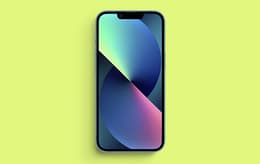
  • Display Technology and Clarity: The Galaxy S9 features a 5.8-inch Super AMOLED display with a very high resolution that provides exceptional sharpness and deep blacks. Its curved edges create an immersive, bezel-less feel that many users still find aesthetically pleasing. The iPhone 13 uses a slightly larger 6.1-inch OLED panel that prioritises colour accuracy and high peak brightness, making it easier to view clearly when used outdoors in direct sunlight.
  • Viewing Experience: The Galaxy S9 offers a clean, rectangular viewing area without any interruptions, as its sensors are housed in a slim top bezel. The iPhone 13 includes a notch at the top of the screen for its facial recognition sensors, which some users may find more noticeable during full-screen video playback. However, the iPhone's flat screen design is often preferred by those who find curved edges prone to accidental touches or glare.

Resolution

1440 x 2960

1170 x 2532

Screen type

Super AMOLED

Super Retina XDR OLED

Audiovisual

The camera systems reflect the shift from single-lens setups to multi-lens computational photography over the three-year gap between releases.

  • Photography Versatility: The Galaxy S9 utilises a single rear lens with a clever variable aperture that adjusts to different lighting conditions, performing admirably in low-light environments for its generation. The iPhone 13 features a dual-camera system, including an ultra-wide lens that allows users to capture much broader scenes, such as landscapes or large group shots, which the S9 cannot replicate without software stitching.
  • Video and Audio Capture: Video recording is a particular strength of the iPhone 13, which introduces features like Cinematic mode for professional-looking depth-of-field effects. It also captures audio with high clarity through its integrated microphone array. While the Galaxy S9 produces stable and clear video, it lacks the advanced HDR processing and smooth transition capabilities found in the newer model. Both devices feature stereo speakers, though the iPhone 13 generally provides a fuller sound with more noticeable bass.

Main camera

12 megapixels

12 megapixels

Front camera

8 megapixels

12 megapixels

Miscellaneous

Practical hardware features and connectivity standards often dictate how a device fits into a user's existing ecosystem of accessories.

  • Connectivity and Ports: The iPhone 13 supports 5G networks, providing faster data speeds in areas with the necessary infrastructure, whereas the Galaxy S9 is limited to 4G. For audio, the Galaxy S9 includes a traditional 3.5mm headphone jack, a feature absent from the iPhone 13, which requires an adapter or wireless headphones. The S9 uses a USB-C port for charging, while the iPhone 13 uses Apple's Lightning connector.
  • Biometrics and Handling: The Galaxy S9 offers multiple ways to unlock the device, including a rear-mounted fingerprint scanner and an iris scanner. The iPhone 13 relies on Face ID, which uses 3D mapping for secure and convenient access. In terms of physical handling, the Galaxy S9 is slightly narrower and lighter, making it very comfortable for one-handed use, while the iPhone 13 has a more substantial, squared-off feel in the hand.

Weight

163 g

173 g

Screen size (in)

5.8

6.1

Mobile network

4G

5G

SIM card

Physical SIM

Physical SIM + eSIM

Carrier compatibility

Unlocked

Unlocked

Connector

USB-C + Jack 3.5mm

Lightning

In summary, the choice between the Galaxy S9 and the iPhone 13 depends largely on how a user intends to use their device and which features they prioritise. User consensus from various forums suggests that the Galaxy S9 is still appreciated for its ergonomic design, the inclusion of a headphone jack, and its high-resolution, notch-free display. However, many long-term users note that the aging battery and lack of modern software updates make it better suited as a secondary device or for those with very basic smartphone needs. The iPhone 13, on the other hand, receives consistent praise for its reliable battery life, impressive video capabilities, and the smooth performance that comes with a more modern internal architecture.

Users who prioritise longevity, 5G connectivity, and a more advanced camera system will find the iPhone 13 to be a well-aligned choice for their needs. Conversely, those who prefer the Android ecosystem, require expandable storage, or value legacy hardware features like the headphone jack may still find utility in the Galaxy S9. For those looking to make a sustainable choice, opting for a quality-assured refurbished option is an excellent way to access these technologies while reducing environmental impact. Ultimately, both devices remain functional examples of their respective design philosophies, providing reliable support for the different priorities of modern smartphone users.

See all articles

Our recent comparisons