Galaxy S22+ 5G Vs iPhone 11

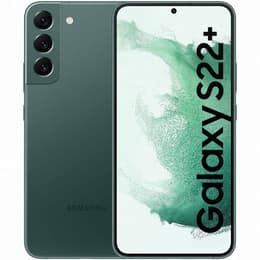
Galaxy S22+ 5G
Galaxy S22+ 5G
Starting at

Refurbished price:£166.00

Versus £1,174.01 new

See options
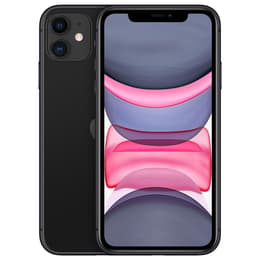
iPhone 11
iPhone 11
Starting at

Refurbished price:£123.00

Versus £489.00 new

See options

Ratings

The Samsung Galaxy S22+ 5G (2022) and the Apple iPhone 11 (2019) represent different eras of smartphone technology, each catering to distinct user preferences. While the Galaxy S22+ offers a contemporary experience with 5G connectivity and a high-refresh-rate display, the iPhone 11 remains a functional choice for those who prefer the iOS ecosystem. The primary differences lie in their display technology, network speeds, and the length of software support remaining. For those looking for an eco-friendly alternative, both models are available as quality-assured refurbished options.

Scores

Durability

The Galaxy S22+ and iPhone 11 differ significantly in their release dates, which directly impacts their remaining lifespan and software relevance.

  • Software Longevity: The Galaxy S22+ was released in 2022 with a commitment to several years of major operating system updates and security patches, ensuring it remains current well into the mid-2020s. The iPhone 11, launched in 2019, is approaching the end of its official software support cycle, though it typically receives security updates for longer than many competitors.
  • Build and Repair: Both devices feature glass and aluminium constructions that require protective cases to prevent damage. Repairing these devices is standard for modern smartphones, with many technicians familiar with both models, though the iPhone 11's older internal layout is often cited as accessible for screen replacements.
  • Practical Lifespan: Users can expect the Galaxy S22+ to feel relevant for a longer period due to its newer hardware and 5G capabilities, whereas the iPhone 11 is best suited for those who do not require the latest software features or the fastest mobile data.

Year of Release

2022

2019

Compatible with latest Update

Yes

Yes

OS

Android

iOS

Foldable

No

No

Performance

These devices offer distinct experiences in terms of speed and daily responsiveness, largely dictated by the three-year gap between their launches.

  • System Responsiveness: The Galaxy S22+ handles demanding applications and intensive multitasking with ease, showing little lag when switching between high-resource tasks. The iPhone 11 remains fluid for everyday browsing, but users may notice slower loading times when opening large files or modern games compared to the newer Samsung.
  • Battery and Charging: The Galaxy S22+ features a larger battery capacity and supports faster wired charging, allowing users to top up the device quickly. The iPhone 11 provides reliable battery life for standard use, but its slower charging speeds mean it needs to stay plugged in longer to reach a full charge.
  • Storage and Multitasking: With more modern internal memory, the Galaxy S22+ can keep more apps open in the background without refreshing, while the iPhone 11 may close background apps more frequently to manage its resources during heavy use.

Memory (GB)

8 GB

4 GB

Screen quality

The visual experience is one of the most noticeable differences between these two smartphones, as display technology advanced rapidly between 2019 and 2022.

  • Display Technology: The Galaxy S22+ uses an AMOLED panel that provides deep blacks and high contrast, making it ideal for watching videos. In contrast, the iPhone 11 uses an LCD screen, which results in slightly less vibrant colours and blacks that appear dark grey in low-light environments.
  • Smoothness and Clarity: A major advantage for the Galaxy S22+ is its high refresh rate, which makes scrolling through menus look much smoother than the standard rate on the iPhone 11. Additionally, the Samsung offers a higher resolution, providing sharper text and more detail in images.
  • Outdoor Visibility: The Galaxy S22+ can reach much higher brightness levels, ensuring the screen remains legible even under direct sunlight. The iPhone 11 may struggle with glare and visibility when used outdoors on very bright days.

Resolution

1080 x 2340

828 x 1792

Screen type

Dynamic AMOLED 2X

Liquid Retina IPS LCD

Audiovisual

Photography enthusiasts will find that the Galaxy S22+ offers more versatility, while the iPhone 11 focuses on simplicity and natural colour reproduction.

  • Lens Versatility: The Galaxy S22+ features a triple-lens system, including a dedicated telephoto lens for high-quality zoomed-in shots. The iPhone 11 has a dual-lens setup that lacks a zoom lens, meaning users must rely on digital cropping which can reduce image clarity.
  • Low-Light Performance: Thanks to newer sensor technology, the Galaxy S22+ captures more detail and less noise in dark environments. While the iPhone 11 introduced a capable Night Mode, it cannot match the sharpness and light intake of the more modern Samsung sensors.
  • Video and Audio: Both devices are highly regarded for video stability and microphone quality. The iPhone 11 is often praised for its consistent video exposure, while the Galaxy S22+ offers higher resolution recording options and more advanced manual controls for creators.

Main camera

50 megapixels

12 megapixels

Front camera

10 megapixels

12 megapixels

Miscellaneous

Beyond the core specifications, several practical features define the user experience for both the Galaxy S22+ and the iPhone 11.

  • Connectivity and Ports: The Galaxy S22+ supports 5G networks, providing faster mobile data speeds, and uses a universal USB-C port. The iPhone 11 is limited to 4G LTE and uses the proprietary Lightning connector, which may require specific cables.
  • Security and Biometrics: Samsung utilises a fingerprint sensor hidden under the display for secure unlocking, which works well even with damp fingers. Apple employs Face ID, a facial recognition system that is highly secure and integrated deeply into the software for passwords and payments.
  • Physical Handling: The Galaxy S22+ has thinner borders around the screen, allowing for a larger display in a body that feels relatively slim. The iPhone 11 has slightly thicker edges and a more rounded frame, which some users find more comfortable to hold for long periods.

Weight

195 g

194 g

Screen size (in)

6.6

6.1

Mobile network

5G

4G

SIM card

Physical SIM + eSIM

Physical SIM + eSIM

Carrier compatibility

Unlocked

Unlocked

Connector

USB-C

Lightning

User feedback from various online communities highlights the enduring nature of both devices. The iPhone 11 is frequently celebrated for its reliability, with many users reporting that it remains functional years after purchase. However, common criticisms include its dated screen technology and the lack of 5G connectivity. The Galaxy S22+, on the other hand, receives praise for its vibrant display and versatile camera system, though some users note that battery life can vary depending on usage patterns.

Users who prioritise a modern viewing experience, fast mobile data, and advanced photography will likely find the Galaxy S22+ better suited to their needs. Conversely, those who prefer a straightforward interface and are already invested in the Apple ecosystem may lean toward the iPhone 11. Choosing a quality-assured refurbished option for either model is a sustainable choice that helps reduce electronic waste while providing a reliable device. Ultimately, the decision rests on whether you value the latest display and network innovations or a tried-and-tested classic smartphone experience.

See all articles

Our recent comparisons