Compare models
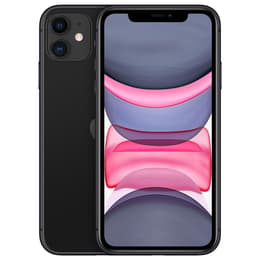
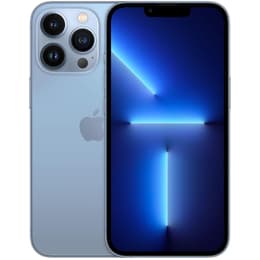
iPhone 11 Vs iPhone 13 Pro
- 1-year minimum warranty
- Free delivery on all items
- Free 30-day returns
Differences at a glance
The iPhone 11, released in 2019, and the iPhone 13 Pro, launched in 2021, represent two distinct stages in the evolution of Apple's smartphone lineup. While they share the same foundational operating system, the hardware differences between these generations are significant, particularly regarding display technology and camera versatility. The iPhone 11 serves as a reliable entry point for those seeking essential smartphone features, whereas the iPhone 13 Pro introduces more advanced capabilities designed for power users and photography enthusiasts. Both devices continue to receive regular software updates, ensuring a secure and modern user experience across both models.
Available Models
Colour
Storage (GB)
Scores
Durability
The age gap between these two models plays a crucial role in their expected functional lifespan and long-term software compatibility.
- Software Longevity: The iPhone 13 Pro, being two years newer than the iPhone 11, is expected to receive official iOS updates and security patches for a longer period, extending its relevance into the late 2020s.
- Build Resilience: The iPhone 13 Pro features a stainless steel frame and Ceramic Shield front glass, which offers improved drop protection compared to the aluminium and standard glass construction of the iPhone 11.
- Repairability Standards: Both devices have widely available replacement parts, though the iPhone 11 is often noted by technicians for having a slightly less complex internal layout for common repairs like screen or battery replacements.
Year of Release
2019
2021
Compatible with latest Update
Yes
Yes
OS
iOS
iOS
Foldable
No
No
Performance
While both phones handle daily tasks effectively, the iPhone 13 Pro offers a more fluid experience during demanding activities and intensive multitasking.
- System Responsiveness: The iPhone 13 Pro handles high-end mobile gaming and video editing with greater ease, showing significantly less lag when switching between numerous open applications compared to the iPhone 11.
- Battery Management: Users will find that the iPhone 13 Pro manages power more efficiently during active use, whereas the iPhone 11 may require more frequent charging cycles for heavy users. Choosing an eco-friendly alternative like a quality-assured refurbished option ensures the battery health is verified for reliable daily performance.
- Multitasking Capacity: With a higher capacity for active tasks, the iPhone 13 Pro keeps background applications ready for longer, reducing the frequency of apps needing to reload when you return to them.
Screen quality
The most immediate visual difference between these devices lies in their screen technology and how they render digital content.
- Display Technology: The iPhone 13 Pro utilises an OLED screen which provides true blacks and much higher contrast, whereas the iPhone 11 uses an LCD panel that produces more muted colours and lower peak brightness.
- Motion Smoothness: The iPhone 13 Pro features an adaptive high refresh rate that makes scrolling through text and navigating the interface appear significantly smoother than the standard rate found on the iPhone 11.
- Outdoor Visibility: For users who frequently use their devices in direct sunlight, the iPhone 13 Pro offers a much brighter display, making it easier to read messages and view photos in bright environments.
Resolution
828 x 1792
1170 x 2532
Screen type
Liquid Retina IPS LCD
Super Retina XDR OLED
Audiovisual
Photography enthusiasts will notice a substantial shift in versatility and image processing quality between these two generations.
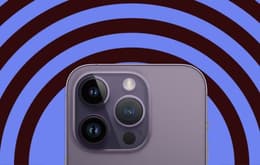
- Optical Zoom Versatility: The iPhone 13 Pro includes a dedicated telephoto lens for zooming into distant subjects without losing detail, a feature that is entirely absent on the dual-camera system of the iPhone 11.
- Low-Light Performance: Advanced sensors and software processing on the iPhone 13 Pro allow for clearer, more detailed photos in dark environments with significantly less digital noise than the older model.
- Video Capabilities: The iPhone 13 Pro introduces professional-grade video features, including the ability to shift focus between subjects automatically, providing a more cinematic feel to home movies.
Main camera
12 megapixels
12 megapixels
Front camera
12 megapixels
12 megapixels
Miscellaneous
Beyond the core specifications, several practical hardware differences affect how these devices fit into a modern digital lifestyle.
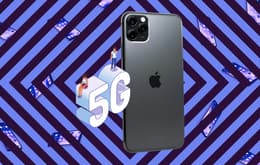
- Network Connectivity: The iPhone 13 Pro supports 5G networks for faster mobile data speeds and better performance in crowded areas, while the iPhone 11 is limited to 4G LTE connectivity.
- Physical Handling: The iPhone 13 Pro has flat edges and a slightly heavier feel due to its premium materials, whereas the iPhone 11 features rounded edges that some users find more comfortable for one-handed use.
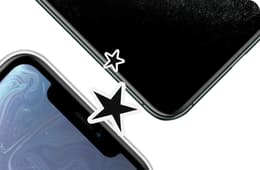
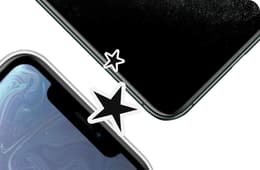
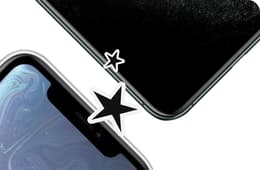
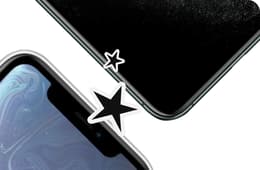
- Biometric Security: Both devices utilise Face ID for secure unlocking, but the iPhone 13 Pro features a slightly smaller sensor housing at the top of the screen, allowing for a bit more usable display area.
Weight
194 g
203 g
Width
7,57 cm
7,15 cm
Height
15,09 cm
14,67 cm
Depth
0,83 cm
0,76 cm
Screen size (in)
6.1
6.1
Mobile network
4G
5G
SIM card
Physical SIM + eSIM
Physical SIM + eSIM
Carrier compatibility
Unlocked
Unlocked
Connector
Lightning
Lightning
What the community thinks
Community discussions and user forums often highlight the iPhone 11 as a dependable "workhorse" that remains perfectly capable for standard social media, messaging, and web browsing. However, many users point out that its screen resolution and 4G-only connectivity are starting to feel dated in a world of high-definition streaming and 5G networks. Conversely, the iPhone 13 Pro is frequently praised for its exceptionally smooth display and versatile camera system, though some owners find the additional weight of the stainless steel frame noticeable during long periods of use.
Users who prioritise a lightweight design and straightforward functionality for everyday communication may find the iPhone 11 meets their needs perfectly. Those who require advanced photographic tools, 5G connectivity, and a high-contrast display for media consumption will likely lean toward the iPhone 13 Pro. Choosing a sustainable choice like a quality-assured refurbished model for either device helps reduce electronic waste while providing a reliable user experience. Ultimately, the decision rests on whether the user values the latest display and camera innovations or prefers a simpler, proven device for basic daily tasks.