Galaxy S25 Vs iPhone 14 Pro Max

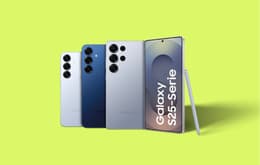
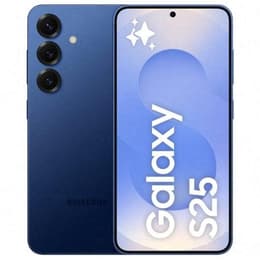
Galaxy S25
Galaxy S25
Starting at

Refurbished price:£435.00

Versus £766.13 new

See options
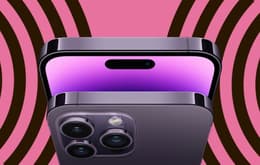
iPhone 14 Pro Max
iPhone 14 Pro Max
Starting at

Refurbished price:£327.00

Versus £1,199.00 new

See options

Ratings

The Samsung Galaxy S25 (2025) and the iPhone 14 Pro Max (2022) represent two distinct approaches to the flagship smartphone experience. While the Galaxy S25 is a modern, compact device running the latest version of Android, the iPhone 14 Pro Max is a larger, established model within Apple's iOS ecosystem. The primary differences lie in their physical size, the era of technology they represent, and their respective software environments. This comparison explores how these two devices perform in real-world scenarios to help you decide which fits your lifestyle and daily needs.

Scores

Durability

The Galaxy S25 and iPhone 14 Pro Max offer different expectations regarding how long they will remain functional and supported by their respective manufacturers.

  • Software Longevity: The Galaxy S25 is designed for the long term, with a manufacturer commitment to provide seven years of security and operating system updates, ensuring it stays current well into the 2030s.
  • Update Cycle: The iPhone 14 Pro Max, having launched in 2022, typically follows a six-year support pattern, meaning it may stop receiving major software updates several years before the newer Samsung model.
  • Sustainability: For those looking for a sustainable choice, a quality-assured refurbished model can offer a long functional life while reducing environmental impact through extended hardware use.

Year of Release

2025

2022

OS

Android

iOS

Foldable

No

No

Performance

Even with the difference in release years, both smartphones provide a responsive experience, though their hardware is optimized for different types of users and tasks.

  • Daily Responsiveness: The Galaxy S25 features newer internal architecture that allows for near-instant app launches and smooth multitasking, even when running several demanding applications simultaneously.
  • Battery Behaviour: The iPhone 14 Pro Max, due to its larger physical footprint, houses a high-capacity battery that comfortably lasts through a full day of heavy use, including video streaming and navigation.
  • System Efficiency: While the Galaxy S25 is more efficient at handling modern background tasks, the iPhone 14 Pro Max remains a powerhouse for intensive gaming, maintaining high frame rates without significant performance drops.

Memory (GB)

12 GB

6 GB

Screen quality

The display is the most immediate difference between these two devices, impacting everything from reading text to watching high-definition videos and playing games.

  • Display Technology: The Galaxy S25 uses a vibrant AMOLED panel that offers exceptional clarity and brightness, making it particularly easy to view content when outdoors under bright sunlight.
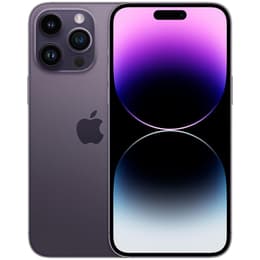
  • Screen Real Estate: The iPhone 14 Pro Max provides a much larger 6.7-inch viewing area, which is ideal for users who frequently watch movies or need more space for productivity tasks.
  • Visual Smoothness: Both devices feature adaptive refresh rates up to 120Hz, which ensures that scrolling through long articles or social media feeds feels fluid and natural to the eye.

Resolution

1080x2340

1290 x 2796

Screen type

Dynamic LTPO AMOLED 2X

LTPO Super Retina XDR OLED

Audiovisual

Both Samsung and Apple have prioritised high-quality cameras and media playback, though they offer different strengths for photography enthusiasts and casual users alike.

  • Camera Versatility: The Galaxy S25 features a sophisticated triple-lens array that captures sharp, detailed images with natural colours, performing particularly well in varied lighting conditions.
  • Video Recording: The iPhone 14 Pro Max is widely recognised for its stable video capture and professional-grade recording features, making it a reliable choice for those who record a lot of video content.
  • Audio and Microphones: Both handsets include high-quality stereo speakers and advanced microphone arrays that ensure clear voice calls and rich audio when listening to music or podcasts without headphones.

Miscellaneous

Practical considerations like weight, port types, and biometric security play a significant role in how these phones feel during daily use and travel.

  • Handling and Weight: The Galaxy S25 is a lightweight and compact device that is easy to operate with one hand, whereas the iPhone 14 Pro Max is considerably heavier and wider.
  • Connectivity Standards: The Galaxy S25 utilises the universal USB-C port for charging, while the iPhone 14 Pro Max uses the Lightning connector, which may require specific cables for data transfer.
  • Biometric Security: Users can choose between the fast under-display fingerprint reader on the Samsung or the secure facial recognition system on the iPhone, both of which provide reliable access.

Weight

162 g

120 g

Screen size (in)

6.2

6.7

Mobile network

5G

5G

SIM card

Physical SIM + eSIM

Physical SIM + eSIM

Carrier compatibility

Unlocked

Unlocked

Community discussions on platforms like Reddit suggest that the choice between these two devices often comes down to a preference for size and software ecosystem. The Galaxy S25 is frequently praised for its modern, pocket-friendly design and the peace of mind provided by its lengthy update policy. On the other hand, the iPhone 14 Pro Max is highly regarded for its expansive screen and the reliability of the iOS ecosystem, though its physical size can be a drawback for some users who find it heavy for extended use.

Users who prioritise a compact, lightweight phone with the latest software features and long-term support will likely find the Galaxy S25 to be the better fit. Those who prefer a large display for media consumption and a proven track record in video performance may lean toward the iPhone 14 Pro Max. Choosing a refurbished option is an eco-friendly alternative that allows you to access these high-end features while supporting a circular economy. Both devices remain excellent examples of smartphone engineering, and choosing either ensures you receive a functional device that meets your specific needs.


See all articles

Our recent comparisons