Compare models
iPhone 12 Pro Vs iPhone XR
- 1-year minimum warranty
- Free delivery on all items
- Free 30-day returns
Differences at a glance
The iPhone 12 Pro (2020) and the iPhone XR (2018) are two distinct generations of smartphones that offer different experiences within the same ecosystem. While the iPhone 12 Pro represents a significant leap in display technology and photographic capabilities, the iPhone XR remains a functional device for users who prefer a more traditional design.
Both devices run on the same operating system, ensuring a consistent software experience, though the hardware differences between them influence how long each will remain compatible with future updates.
Available Models
Colour
Storage (GB)
Scores
Durability
The iPhone 12 Pro and iPhone XR differ significantly in their expected lifespan and physical resilience due to the two-year gap between their respective launches.
- Software Support: The iPhone 12 Pro is expected to receive official software updates for a longer period than the iPhone XR, making it a more suitable choice for users who plan to keep their device for four or more years.
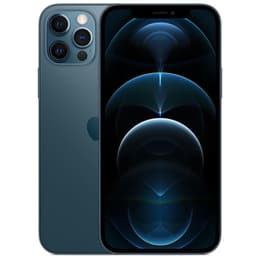
- Build Quality: Featuring a stainless steel frame and Ceramic Shield glass, the iPhone 12 Pro offers enhanced resistance to drops and scratches compared to the aluminum and standard glass used in the iPhone XR.
- Maintenance and Repair: Selecting a quality-assured refurbished option can also extend the lifecycle of these materials while providing a reliable device for several years.
Year of Release
2020
2018
Compatible with latest Update
Yes
Yes
OS
iOS
iOS
Foldable
No
No
Performance
In daily use, the difference in responsiveness between these two models is noticeable when handling demanding tasks or switching between multiple active applications.
- Multitasking and Speed: The iPhone 12 Pro handles intensive apps, high-resolution video editing, and modern gaming with greater fluidity, whereas the iPhone XR may show signs of slowing down when running the latest, most demanding software.
- Storage Options: Users who store large amounts of high-resolution photos and videos will benefit from the higher storage capacities available on the iPhone 12 Pro, which offers more room for growth than the iPhone XR.
- Battery Management: While the iPhone XR is frequently praised for its consistent battery performance during standard daily tasks, the iPhone 12 Pro uses more advanced power management to balance its higher-performance hardware.
Screen quality
The viewing experience is one of the most prominent areas of divergence, as the two devices utilize fundamentally different screen technologies that affect color and clarity.
- Display Technology: The iPhone 12 Pro features an OLED screen that delivers true blacks and vibrant colors, providing a more immersive experience for media consumption compared to the LCD panel found on the iPhone XR.
- Resolution and Sharpness: With a significantly higher pixel count, the iPhone 12 Pro produces much sharper text and finer details, which is particularly beneficial for reading long articles or viewing high-quality images.
- Brightness and Visibility: The iPhone 12 Pro can achieve much higher peak brightness, making the screen easier to see when used outdoors in bright daylight, a scenario where the iPhone XR screen may appear somewhat dim.
Resolution
1170 x 2532
828 x 1792
Screen type
Super Retina XDR OLED
Liquid Retina IPS LCD
Audiovisual
The photographic capabilities of these devices cater to different levels of interest in mobile photography, ranging from casual snapshots to more advanced creative work.
- Lens Configuration: The iPhone 12 Pro includes three distinct lenses—wide, ultra-wide, and telephoto—allowing for much greater flexibility in framing shots, whereas the iPhone XR is limited to a single wide-angle lens.
- Low-Light Performance: Users who frequently take photos in dark environments will find the iPhone 12 Pro far more capable, as it includes specialized sensors and software modes designed to capture detail in dim lighting.
- Video Recording: The iPhone 12 Pro supports high-dynamic-range video recording, which captures a wider range of colors and light levels, resulting in more lifelike and professional-looking footage than the iPhone XR.
Main camera
12 megapixels
12 megapixels
Front camera
12 megapixels
7 megapixels
Miscellaneous
Beyond the core specifications, several practical features and design choices distinguish these two models in terms of daily handling and connectivity.
- Network Standards: The iPhone 12 Pro is compatible with 5G networks, offering the potential for much faster download speeds in supported areas, while the iPhone XR is limited to 4G LTE connectivity.
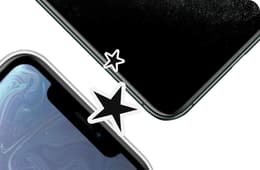
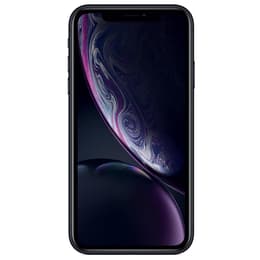
- Physical Handling: The iPhone 12 Pro features a flat-edge design that provides a secure grip, whereas the iPhone XR has rounded edges that some users find more comfortable for long periods of one-handed use.
- Charging and Accessories: The iPhone 12 Pro introduces magnetic alignment for wireless charging and accessories, providing a more secure connection and faster wireless power delivery than the standard wireless charging on the iPhone XR.
Weight
187 g
194 g
Width
7.15 cm
7,57 cm
Height
14.67 cm
15,09 cm
Screen size (in)
6.1
6.1
Mobile network
5G
4G
SIM card
Physical SIM + eSIM
Physical SIM + eSIM
Carrier compatibility
Unlocked
Unlocked
Connector
Lightning
Lightning
What the community thinks
Based on user discussions and community feedback, the iPhone XR is often celebrated for its comfortable ergonomics and reliable battery life for basic tasks, though some users note that its screen resolution feels dated by modern standards. Conversely, the iPhone 12 Pro receives high marks for its versatile camera system and the premium feel of its stainless steel construction, although some owners mention that using 5G can lead to faster battery depletion during heavy use.
Users who prioritize a high-quality display for movies, advanced photography features, and long-term software compatibility will find the iPhone 12 Pro aligns well with their requirements. Those who primarily use their phone for communication, social media, and light browsing, and who prefer a curved design, may find the iPhone XR meets their needs effectively.
For those looking to make a sustainable choice, an eco-friendly alternative is available through professional refurbishment, which ensures these devices continue to provide value while reducing environmental impact. Ultimately, the decision depends on whether a user requires the advanced technical capabilities of the newer model or the straightforward functionality of the older generation.