iPhone 14 Pro Vs Motorola Moto E13

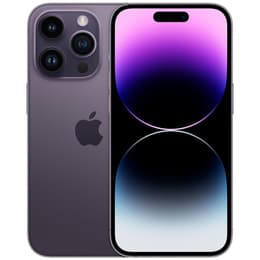
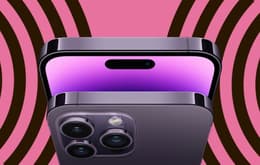
iPhone 14 Pro
iPhone 14 Pro
Starting at

Refurbished price:£304.00

Versus £1,099.00 new

See options
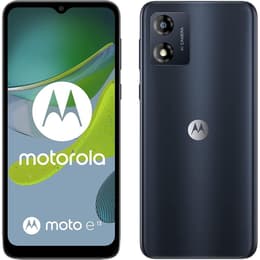
Motorola Moto E13
Motorola Moto E13
Starting at

Refurbished price:£74.00

Versus £83.99 new

See options

Ratings

The iPhone 14 Pro, released by Apple in late 2022, and the Motorola Moto E13, launched in early 2023, represent two distinct approaches to the modern smartphone experience. While the iPhone 14 Pro is designed as a high-feature flagship running iOS, the Moto E13 serves as an entry-level device utilising the streamlined Android 13 Go edition. These devices cater to very different user requirements, from intensive creative work to essential daily communication.

The primary differentiators between these two models lie in their hardware complexity and software ecosystems. Choosing a quality-assured refurbished option can be a sustainable way to access these different technologies while ensuring the device has been thoroughly tested for functional reliability. This comparison explores how each handset handles durability, daily performance, and media consumption to help you identify which aligns with your specific needs.

Scores

Durability

When evaluating how long these devices will remain functional and relevant, the software support cycle and build materials play the most significant roles in their practical lifespan.

  • Software Longevity: The iPhone 14 Pro typically receives operating system updates for approximately six years from its release date, ensuring access to new features and security patches until roughly 2028. In contrast, the Moto E13 uses Android Go, which generally sees a shorter support window, often receiving one major version update and limited security maintenance, making it better suited for shorter-term use cases.
  • Physical Construction: The iPhone 14 Pro features a stainless steel frame and toughened glass, providing a rigid structure that resists bending, while the Moto E13 is constructed from a lightweight plastic that is resilient against drops but more prone to surface scratches.
  • Repairability: Both manufacturers have made strides in parts availability, though the iPhone's internal complexity requires more specialised tools for screen or battery replacements compared to the more straightforward internal layout of the Moto E13.

Year of Release

2022

2023

Compatible with latest Update

Yes

No

OS

iOS

Android

Foldable

No

No

Performance

Performance levels vary significantly between these models, dictated by how their internal hardware manages multitasking and demanding applications.

  • System Responsiveness: The iPhone 14 Pro is built to handle intensive tasks such as high-resolution video editing and complex mobile gaming without lag, maintaining a fluid experience even with many apps open. The Moto E13 is optimised for essential functions like web browsing, emails, and messaging, though users may notice slower loading times when switching between multiple heavy applications.
  • Storage and Memory: With options ranging from 128GB to 1TB, the iPhone 14 Pro accommodates large media libraries locally, whereas the Moto E13 typically offers 64GB of internal space, which can be expanded via a memory card slot for those needing extra room for photos and files.
  • Battery Management: The Moto E13 prioritises longevity for basic tasks, often lasting through two days of light use due to its efficient, low-power components. The iPhone 14 Pro is designed to reliably last a full day of more intensive activity, supported by sophisticated power management software.

Memory (GB)

6 GB

2 GB

Screen quality

The viewing experience on these smartphones is defined by different display technologies that prioritise either visual depth or straightforward utility.

  • Display Technology: The iPhone 14 Pro utilises an OLED panel, which allows for individual pixels to turn off completely, resulting in deep black levels and high contrast that is particularly noticeable when watching films. The Moto E13 uses an LCD screen, which provides consistent brightness across the panel and natural colour reproduction for reading and general navigation.
  • Motion Smoothness: A high refresh rate on the iPhone 14 Pro ensures that scrolling through menus and animations appears very fluid. The Moto E13 uses a standard refresh rate, which is perfectly adequate for traditional video playback and static content but lacks the same level of perceived smoothness during fast movement.
  • Outdoor Visibility: The iPhone 14 Pro can reach high peak brightness levels, making the screen easy to read even in direct sunlight. The Moto E13 offers sufficient brightness for indoor and shaded environments, though users may need to seek shade to view the screen clearly on very bright days.

Resolution

1179 x 2556

720 x 1600

Screen type

LTPO Super Retina XDR OLED

IPS LCD

Audiovisual

Photography and video capabilities are areas where these two devices diverge most sharply in terms of versatility and output detail.

  • Camera Versatility: The iPhone 14 Pro features a triple-lens system, including a dedicated telephoto lens for zooming and an ultra-wide lens for landscapes. The Moto E13 focuses on simplicity with a single rear camera that captures clear images in well-lit conditions, suitable for quick snapshots and document scanning.
  • Low-Light Performance: Advanced light-gathering sensors and software processing allow the iPhone 14 Pro to produce detailed images in dark environments. The Moto E13 performs best in daylight, as its smaller sensor may show more grain or loss of detail when the sun goes down.
  • Video and Audio: For those recording video, the iPhone 14 Pro supports high-definition formats with sophisticated stabilisation to reduce camera shake. The Moto E13 provides standard video recording that is functional for video calls and short clips, complemented by a single speaker system that delivers clear audio for speech.

Main camera

48 megapixels

13 megapixels

Front camera

12 megapixels

5 megapixels

Miscellaneous

Practical daily use is often influenced by the physical design, connectivity options, and the specific ports available on each handset.

  • Connectivity and Ports: The iPhone 14 Pro supports 5G networks for faster mobile data and uses a Lightning port for charging and data transfer. The Moto E13 operates on 4G networks and features a universal USB-C port, along with a dedicated 3.5mm headphone jack, which is a convenient feature for users who prefer wired audio.
  • Security and Sensors: Secure access is handled by facial recognition technology on the iPhone 14 Pro, which maps the geometry of the user's face. The Moto E13 also offers a software-based face unlock feature, providing a quick way to access the device without a PIN.
  • Weight and Handling: Due to its metal and glass build, the iPhone 14 Pro has a substantial, weighted feel in the hand. The Moto E13 is notably lighter because of its plastic construction, which may be preferred by users who want a device that is easy to carry in a pocket for long periods.

Weight

206 g

181 g

Screen size (in)

6.1

6.5

Mobile network

5G

4G

SIM card

Physical SIM + eSIM

Dual Physical SIM

Carrier compatibility

Unlocked

Unlocked

In summary, the iPhone 14 Pro and Motorola Moto E13 serve distinct roles in the smartphone market. User feedback from various forums indicates that the iPhone 14 Pro is highly regarded for its smooth interface and consistent camera quality, though some users find its weight to be a drawback for one-handed use. Conversely, the Moto E13 receives praise for its straightforward user experience and reliable battery life, with the main criticism being its limited speed when attempting to run modern, resource-heavy applications.

Users who prioritise high-end photography, intensive mobile gaming, and a long-term commitment to software updates will find the iPhone 14 Pro aligns well with their requirements. Those who seek a lightweight device for essential communication, social media, and basic media consumption may find the Moto E13 to be a more appropriate fit for their daily routine. Opting for a refurbished device serves as an eco-friendly alternative that supports a circular economy while providing a functional handset. Ultimately, the decision rests on whether your priority is a feature-rich environment for creative tasks or a simple, functional tool for staying connected.

See all articles

Our recent comparisons