Compare models

iPhone 12 mini Vs iPhone XR

  • 1-year minimum warranty
  • Free delivery on all items
  • Free 30-day returns
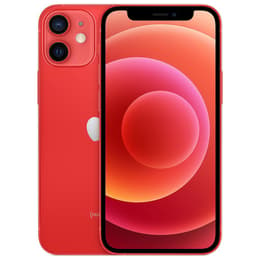
iPhone 12 mini
iPhone 12 mini
Starting at

Refurbished price:£123.00

Versus £579.00 new

See options
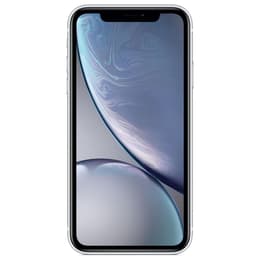
iPhone XR
iPhone XR
Starting at

Refurbished price:£95.00

Versus £399.00 new

See options

Differences at a glance

The iPhone 12 Mini, released in 2020, and the iPhone XR, launched in 2018, represent two distinct approaches to the modern smartphone experience. While the iPhone XR focuses on providing a large-screen interface with reliable core features, the iPhone 12 Mini prioritises a compact form factor without compromising on modern internal capabilities. Both devices operate on Apple’s iOS, though their age difference significantly impacts their long-term software compatibility and overall feature sets for users evaluating these options in 2026.

Scores

Durability

The two-year gap between these models results in a notable difference regarding their expected functional lifespan and ongoing software support from the manufacturer.

  • Software Longevity: The iPhone 12 Mini, being a newer release, is compatible with more recent operating system updates, whereas the iPhone XR is approaching the end of its official support cycle, meaning it may soon stop receiving new features.
  • Physical Resilience: The iPhone 12 Mini features a Ceramic Shield front cover, which offers improved protection against drops compared to the standard glass found on the iPhone XR, potentially extending its physical life.
  • Repairability: Both devices are widely supported by independent repair shops, though the iPhone XR’s older internal layout is often cited by technicians as being slightly more straightforward for common component replacements like the battery.

Year of Release

2020

2018

Compatible with latest Update

Yes

Yes

OS

iOS

iOS

Foldable

No

No

Performance

Despite their different physical sizes, both phones are designed to handle daily tasks, though the iPhone 12 Mini offers a more responsive experience for demanding applications.

  • System Responsiveness: The iPhone 12 Mini handles multitasking and heavy apps with greater ease, showing less lag when switching between intensive tasks compared to the older iPhone XR.
  • Battery Behaviour: The iPhone XR features a larger physical battery that often lasts longer during continuous video playback, while the iPhone 12 Mini requires more mindful management for heavy users due to its smaller capacity.
  • Efficiency and Heat: The iPhone 12 Mini’s more efficient internal architecture allows it to maintain high performance levels without generating as much heat during standard use, ensuring a smoother experience during long sessions.

Memory (GB)

4 GB

3 GB

Screen quality

The viewing experience differs greatly between these two models, primarily due to the underlying panel technology and the density of pixels on the display.

  • Display Technology: The iPhone 12 Mini uses an OLED panel, which provides true blacks and higher contrast, whereas the iPhone XR utilises an LCD screen that offers natural colours but lacks the same depth in dark scenes.
  • Clarity and Detail: Text and images appear significantly sharper on the iPhone 12 Mini due to its higher resolution, making it better suited for reading fine print or viewing high-definition content.
  • Outdoor Visibility: The iPhone 12 Mini can reach higher peak brightness levels, which makes the screen easier to read when used directly under bright sunlight compared to the iPhone XR.

Resolution

1080 x 2340

828 x 1792

Screen type

Super Retina XDR OLED

Liquid Retina IPS LCD

Audiovisual

Photography and media consumption are areas where the generational gap is most apparent, particularly regarding lens versatility and low-light processing capabilities.

  • Camera Versatility: The iPhone 12 Mini includes an additional ultra-wide lens, allowing users to capture more of a scene in a single shot, while the iPhone XR relies on a single wide-angle lens for all photos.
  • Low-Light Performance: Night mode is a key feature on the iPhone 12 Mini, enabling clearer and more detailed photos in dark environments, a capability that the iPhone XR lacks in its native camera application.
  • Video and Audio: The iPhone 12 Mini supports advanced video recording formats with better dynamic range, and its speakers provide a more balanced stereo soundstage for watching movies or taking calls.

Main camera

12 megapixels

12 megapixels

Front camera

12 megapixels

7 megapixels

Miscellaneous

Beyond the core specifications, the physical footprint and connectivity options define how these devices feel and function in daily use.

  • Connectivity Standards: The iPhone 12 Mini supports 5G networks for faster mobile data speeds, while the iPhone XR is limited to 4G LTE, which may impact connectivity in areas with modern infrastructure.
  • Ergonomics and Weight: The iPhone 12 Mini is one of the smallest and lightest smartphones available, making it ideal for one-handed use, whereas the iPhone XR is larger and heavier, requiring a more substantial grip.
  • Biometrics and Charging: Both devices use facial recognition for security, but the iPhone 12 Mini introduces magnetic attachment for accessories and wireless charging, offering a more modern ecosystem of peripherals.

Weight

135 g

194 g

Screen size (in)

5.4

6.1

Mobile network

5G

4G

SIM card

Physical SIM + eSIM

Physical SIM + eSIM

Carrier compatibility

Unlocked

Unlocked

Connector

Lightning

Lightning

What the community thinks

User feedback from various forums highlights distinct preferences for each model based on practical daily needs. The iPhone XR is frequently praised for its comfortable screen size and its reputation as a reliable workhorse that handles basic tasks without fuss. However, some users note that its screen resolution and camera capabilities feel dated by modern standards. Conversely, the iPhone 12 Mini is celebrated by enthusiasts of small phones who want a device that fits easily into any pocket, though its battery life is a common point of discussion for those who use their phones constantly throughout the day.

Users who prioritise a larger screen for media and a battery that reliably gets through a full day of moderate use may prefer the iPhone XR. Meanwhile, users who value a compact design, superior screen clarity, and faster mobile data speeds will likely find the iPhone 12 Mini better suited to their needs. Choosing a quality-assured refurbished option for either model is a sustainable choice that helps reduce electronic waste while providing a functional device. Ultimately, the decision rests on whether you prefer the classic, larger feel of the XR or the modern, miniature powerhouse that is the 12 Mini.