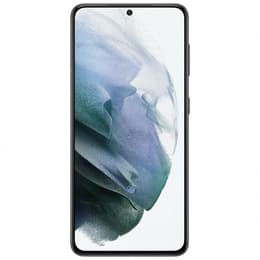


Galaxy S21 5G Vs Google Pixel 7 Pro

Galaxy S21 5G
Galaxy S21 5G
Starting at

Refurbished price:£133.00

Versus £829.00 new

See options
Google Pixel 7 Pro
Google Pixel 7 Pro
Starting at

Refurbished price:£169.75

Versus £899.99 new

See options

Ratings

The Samsung Galaxy S21 5G, released in January 2021, and the Google Pixel 7 Pro, launched in October 2022, are both Android smartphones offering distinct approaches to the mobile experience. While the Galaxy S21 5G emphasizes a balanced feature set within Samsung's established ecosystem, the Pixel 7 Pro showcases Google's vision for smartphone technology, particularly through its advanced computational photography and software integration. Both devices run on the Android operating system, providing users with a wide array of customization and application choices.

Scores

Durability

The longevity of a smartphone is influenced by its build, software support, and ease of repair. These two devices offer different profiles in these areas.

  • Release Timeline and Software Support: The Galaxy S21 5G, released in January 2021, typically receives four years of Android operating system updates and five years of security updates from Samsung. The Pixel 7 Pro, launched in October 2022, generally receives three years of major Android updates and five years of security updates directly from Google. This means the Pixel 7 Pro will likely receive software support for a longer period due to its later release date.
  • Physical Durability: Both smartphones feature an IP68 rating for dust and water resistance, indicating a similar level of protection against environmental elements. The Galaxy S21 5G incorporates Gorilla Glass Victus on the front, a plastic back, and an aluminum frame, which contributes to its overall resilience. The Pixel 7 Pro also uses Gorilla Glass Victus for screen protection.
  • Repairability: The Galaxy S21 5G has a repairability score of 7.5 out of 10, suggesting it is relatively straightforward to dismantle and reassemble, with a removable screen cable contributing to this ease. In contrast, the Pixel 7 Pro received a repairability score of 5.5 out of 10, with screen replacements being manageable but battery removal proving more challenging due to strong adhesive, and the charging port being soldered to the motherboard.

Year of Release

2021

2022

Compatible with latest Update

Yes

Yes

OS

Android

Android

Foldable

No

No

Performance

Performance in a smartphone encompasses its ability to handle applications, manage power efficiently, and respond smoothly to user input. Both devices deliver capable performance for daily use.

  • Processing Power and Responsiveness: The Galaxy S21 5G is powered by an octa-core processor, either the Snapdragon 888 or Exynos 2100, depending on the region. This hardware, combined with 8GB of RAM, allows for smooth operation of everyday applications and capable gaming experiences. The Pixel 7 Pro features Google's Tensor G2 processor and typically comes with 12GB of RAM, though some variants have 8GB. This configuration provides a responsive experience for multitasking and demanding applications, though some users have noted it can generate warmth during intensive tasks like extended gaming.
  • Storage Options: The Galaxy S21 5G offers internal storage options of 128GB or 256GB. The Pixel 7 Pro provides more flexibility with 128GB, 256GB, and 512GB storage configurations. Neither device includes a microSD card slot for expandable storage.
  • Battery Behavior: The Galaxy S21 5G is equipped with a 4000 mAh battery. The Pixel 7 Pro houses a larger 5000 mAh battery. While the Pixel 7 Pro's larger capacity suggests longer endurance, user experiences indicate that its battery life can be inconsistent, particularly with heavy use of the camera or 5G connectivity, which can lead to faster drainage.

Memory (GB)

8 GB

12 GB

Screen quality

The display is a primary interface for smartphone interaction, and both devices offer high-quality viewing experiences with distinct characteristics.

  • Display Technology and Clarity: The Galaxy S21 5G features a 6.2-inch Dynamic AMOLED 2X display with a Full HD+ resolution (2400 x 1080 pixels). This technology delivers vibrant colors and deep blacks. The Pixel 7 Pro boasts a larger 6.7-inch LTPO OLED display with a Quad HD+ resolution (3120 x 1440 pixels), offering a sharper image with more detailed visuals.
  • Brightness and Refresh Rate: Both phones provide adaptive refresh rates for smooth scrolling and responsiveness. The Galaxy S21 5G's display adjusts between 48Hz and 120Hz, with a peak brightness of up to 1300 nits, ensuring good visibility in various lighting conditions. The Pixel 7 Pro's screen also offers an adaptive refresh rate, ranging from 60Hz to 120Hz, and is capable of reaching a peak brightness of 1500 nits, though some users report it can dim quickly in bright sunlight.
  • Screen Size and Protection: The Galaxy S21 5G's more compact 6.2-inch screen might appeal to users preferring a smaller device for one-handed use. The Pixel 7 Pro's larger 6.7-inch display provides a more expansive canvas for media consumption and multitasking. Both displays are protected by Corning Gorilla Glass Victus, offering enhanced scratch and drop resistance.

Resolution

1080 x 2400

1440 x 3120

Screen type

Dynamic AMOLED 2X

LTPO AMOLED

Audiovisual

Camera capabilities are a significant differentiator for modern smartphones, and both the Galaxy S21 5G and Pixel 7 Pro offer advanced systems with different strengths.

  • Rear Camera Systems: The Galaxy S21 5G features a versatile triple-camera setup on the rear, including a 12MP wide lens, a 12MP ultrawide lens, and a 64MP telephoto lens capable of 3x hybrid optical zoom and up to 30x digital zoom. The Pixel 7 Pro also has a triple-camera system, comprising a 50MP wide lens, a 12MP ultrawide lens with macro capabilities, and a 48MP telephoto lens that provides 5x optical zoom and up to 30x Super Res Zoom.
  • Photography Performance: The Pixel 7 Pro is widely recognized for its exceptional computational photography, delivering detailed and vibrant photos, particularly excelling in low-light conditions. The Galaxy S21 5G also captures high-quality images with good detail and color reproduction, and includes features like Director's View and a Pro Video mode for more creative control. Some users transitioning from Pixel devices to the S21 have noted differences in image processing.
  • Video Recording and Front Camera: Both devices are capable of high-resolution video recording. The Galaxy S21 5G can record in 8K, offering very detailed footage. The Pixel 7 Pro offers strong video quality with features like cinematic blur, though some users have expressed that video can sometimes appear over-sharpened. For selfies, the Galaxy S21 5G has a 10MP front camera, while the Pixel 7 Pro features a 10.8MP ultrawide front camera.

Main camera

12 megapixels

50 megapixels

Front camera

10 megapixels

10.8 megapixels

Miscellaneous

Beyond core performance and camera, several practical elements contribute to the overall user experience and daily functionality of a smartphone.

  • Connectivity and Ports: Both the Galaxy S21 5G and Pixel 7 Pro support 5G connectivity, ensuring access to faster mobile networks. The Galaxy S21 5G includes Wi-Fi 6 and Bluetooth 5.0 or 5.1, while the Pixel 7 Pro offers Wi-Fi 6e and Bluetooth 5.2, providing slightly newer wireless standards. Both devices utilize a USB-C port for charging and data transfer and neither includes a traditional 3.5mm headphone jack.
  • Biometric Security: The Galaxy S21 5G features an in-screen ultrasonic fingerprint sensor for secure unlocking. The Pixel 7 Pro offers both an under-display optical fingerprint scanner and Face Unlock, providing multiple convenient biometric authentication methods.
  • Physical Design and Handling: The Galaxy S21 5G has dimensions of 151.7 x 71.2 x 7.9 mm and weighs between 169g and 171g, making it a more compact and lighter device. The Pixel 7 Pro is a larger and heavier phone, measuring 162.9 x 76.6 x 8.9 mm and weighing 212g, which might impact one-handed use for some users. The Galaxy S21 5G features a plastic back, while the Pixel 7 Pro has a glass back.

Weight

169 g

212 g

Screen size (in)

6.2

6.7

Mobile network

5G

5G

SIM card

Dual Physical SIM + eSIM

Physical SIM + eSIM

Carrier compatibility

Unlocked

Unlocked

User feedback for the Google Pixel 7 Pro often highlights its exceptional camera capabilities, particularly its computational photography, and a generally smooth Android experience. Many users appreciate the convenience of Face Unlock and the responsive fingerprint sensor. However, common criticisms include inconsistent battery life, especially with heavy camera usage or prolonged 5G connectivity, and a tendency for the device to warm up during demanding tasks. Some users have also noted that video quality, while good, might not always match the stellar photo performance, and the build quality can feel less rigid compared to some competitors.

The Samsung Galaxy S21 5G is frequently praised for its vibrant Dynamic AMOLED display, a capable and versatile camera system, and overall smooth performance for daily tasks. Its more compact size is often a positive for users who prefer a smaller form factor. Points of contention sometimes include the plastic back panel, the absence of a microSD card slot, and the lack of an included charger in the box. Some users accustomed to Google's camera processing might find Samsung's approach different.

Users prioritizing a cutting-edge camera experience with advanced computational photography and a clean Android interface may find the Google Pixel 7 Pro well-suited to their needs. Those who value a more compact design, a robust feature set within a well-established ecosystem, and a slightly higher repairability score might lean towards the Samsung Galaxy S21 5G. Both devices offer compelling features, and choosing between them often comes down to individual preferences for camera philosophy, software experience, and device size. For those considering either of these capable smartphones, exploring quality-assured refurbished options can provide an eco-friendly alternative.

See all articles

Our recent comparisons