Compare models
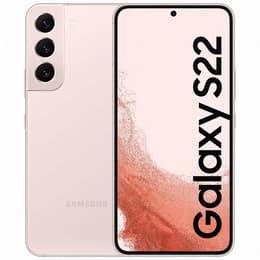
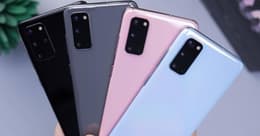
Galaxy S22 5G Vs Galaxy S25 FE
- 1-year minimum warranty
- Free delivery on all items
- Free 30-day returns
Differences at a glance
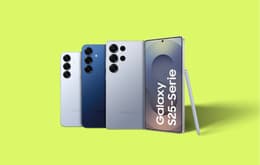
The Samsung Galaxy S22 5G (2022) and the Samsung Galaxy S25 FE (2025) represent two distinct generations of Samsung's mobile lineup, balancing compact flagship design with features tailored for everyday efficiency. While both devices support modern cellular networks and run on the Android operating system with Samsung's customized interface, they differ significantly in their hardware maturity, internal processing capabilities, and long-term software support timelines. These distinctions make each model suited to different user expectations regarding longevity and daily performance.
Available Models
Colour
Storage
Scores
Durability
When evaluating the longevity and maintenance aspects of these two smartphones, several practical differences emerge regarding their release timelines and software support outlooks.
- Software Support: The Galaxy S25 FE benefits from a later release year, ensuring it receives official system updates and security patches for a substantially longer duration compared to its predecessor.
- Repairability and Build: Both models utilize standard manufacturing techniques with glass and metal components, though finding replacement parts or service options may become easier or harder depending on the device's age in the active market cycle.
- Expected Lifespan: Users seeking a device that retains peak software compatibility further into the future will find the newer model naturally aligns with an extended replacement cycle.
Year of Release
2022
2025
Compatible with latest Update
Yes
Yes
OS
Android
Android
Foldable
No
No
Performance
Daily operation, multitasking, and battery management vary notably between these two devices due to advancements in hardware efficiency over successive generations.
- Multitasking and Speed: The Galaxy S25 FE features a more current processor setup that handles demanding mobile applications, rapid switching between open apps, and resource-heavy tasks with noticeably smoother thermal management than the earlier hardware found in the Galaxy S22 5G.
- Battery Behavior: The Galaxy S25 FE incorporates a larger physical power cell paired with an efficient processor, comfortably lasting through a full day of mixed usage, whereas the more compact Galaxy S22 5G features a smaller battery capacity that typically requires a midday charge for heavy users.
- Storage Configurations: Both devices offer baseline storage capacities suitable for standard applications and media files, though availability may vary by region.
Screen quality
Display technology across both models delivers sharp imagery, though subtle refinements in panel efficiency and brightness provide distinct viewing experiences.
- Display Panel and Clarity: Both smartphones utilize vibrant OLED display technology, producing deep black levels and vivid color reproduction suitable for streaming media and reading text clearly.
- Outdoor Visibility: The Galaxy S25 FE achieves higher peak brightness levels, making it easier to read notifications and view maps under direct sunlight compared to the older Galaxy S22 5G.
- Refresh Rate: Both screens support adaptive high refresh rates for smooth scrolling through web pages and fluid user interface animations.
Audiovisual
Imaging hardware and multimedia output differ to accommodate various photography preferences and media consumption habits.
- Camera Systems: Both devices feature multi-lens rear camera arrays including main, ultra-wide, and telephoto options, capturing detailed everyday photos and handling low-light environments through automated processing software.
- Video and Audio: Video recording remains stable and clear on both models, while built-in stereo speakers provide adequate volume for casual listening and video calls without external accessories.
- Microphone Performance: Integrated microphones isolate voice audio effectively during phone calls and voice recordings.
Miscellaneous
Physical handling, connectivity standards, and daily convenience features define the practical usability of each smartphone in varied environments.
- Dimensions and Weight: The Galaxy S22 5G offers a noticeably smaller and lighter footprint for single-handed operation, while the Galaxy S25 FE provides a larger screen workspace at the expense of a heavier and bulkier chassis.
- Connectivity: Both models support 5G network speeds, modern Wi-Fi standards, and Bluetooth connectivity for wireless accessories.
- Authentication: Each device utilizes secure biometric authentication via under-display fingerprint sensors and facial recognition.
Weight
167 g
190 g
Screen size (in)
6.1
6.7
Mobile network
5G
5G
SIM card
Dual Physical SIM + eSIM
Physical SIM + eSIM
Carrier compatibility
Unlocked
Unlocked
Connector
USB-C
USB-C
What the community thinks
User discussions across public forums highlight distinct preferences for each device based on real-world usage patterns. Owners of the Galaxy S22 5G frequently praise its compact form factor, comfortable pocketability, and manageable physical size for single-handed use, though some note that the smaller battery capacity requires more frequent recharging during intensive days. Conversely, users of the Galaxy S25 FE frequently commend its reliable battery endurance, larger screen estate for media consumption, and responsive performance during extended multitasking sessions, though a few point out its larger physical footprint as less convenient for smaller pockets.
Users prioritizing a compact device that is easy to handle with one hand may prefer the Galaxy S22 5G, while users prioritizing extended battery endurance and a larger viewing area will lean toward the Galaxy S25 FE. Those interested in a sustainable choice can explore quality-assured refurbished options, which provide a reliable path to acquiring either model while reducing electronic waste. Ultimately, the choice depends on whether physical compactness or hardware longevity and power efficiency align closer with individual daily routines.