Compare models
Galaxy S24 FE Vs Galaxy S25 FE
- 1-year minimum warranty
- Free delivery on all items
- Free 30-day returns
Differences at a glance
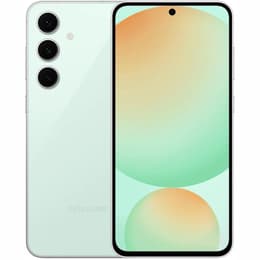
The Samsung Galaxy S24 FE (2024) and the Samsung Galaxy S25 FE (2025) represent consecutive generations of Samsung's accessible flagship smartphone line. Both devices run on the Android operating system paired with Samsung's custom interface, providing a familiar software experience across models. While they share core design philosophies, the newer model introduces refined internal efficiency, a larger battery capacity, and a slightly slimmer profile that set it apart from its predecessor.
Available Models
Colour
Storage
Scores
Durability
When evaluating the lifespan and software support of these two devices, users will find minor differences in their release timelines and hardware longevity.
- Software Support Timeline: Both models benefit from long-term operating system updates and security patches, with the Galaxy S25 FE extending support slightly further due to its later release date.
- Repairability and Build Longevity: Both devices feature robust glass-and-aluminum construction backed by official water and dust resistance ratings, ensuring comparable durability against everyday wear and tear.
- Expected Practical Lifespan: Thanks to current-generation hardware configurations, both smartphones are equipped to maintain reliable daily performance over several years of continuous use.
Year of Release
2024
2025
Compatible with latest Update
Yes
Yes
OS
Android
Android
Foldable
No
No
Performance
Performance capabilities between the two models differ primarily in thermal management efficiency and battery endurance during intensive daily tasks.
- Multitasking and Responsiveness: Both devices handle demanding applications, web browsing, and switching between multiple open programs smoothly, supported by standard configurations of system memory.
- Battery Behavior: The Galaxy S25 FE incorporates a slightly larger battery capacity and improved charging speeds, translating to fewer interruptions for recharging during heavy use days.
- Storage Capacity: Both phones are available in multiple storage tiers, allowing users to select the right amount of local space for apps, photos, and media files without reliance on expandable memory cards.
Screen quality
Display characteristics across both generations offer immersive viewing experiences suited for media consumption and navigation.
- Display Technology: Both models utilize vibrant AMOLED panels with deep contrast levels and sharp resolution, ensuring clear text and vivid images.
- Outdoor Visibility: High peak brightness capabilities on both screens allow for comfortable reading and media viewing even under direct sunlight.
- Refresh Rate and Smoothness: A responsive 120Hz refresh rate is standard on both devices, resulting in fluid scrolling animations and smooth visual transitions during navigation.
Audiovisual
Photography and recording setups on these smartphones cater to everyday documentation and creative capture through versatile lens configurations.
- Camera System Capabilities: Both phones feature triple-lens rear configurations including a high-resolution main sensor, an ultra-wide option for expansive scenes, and a telephoto lens for closer framing.
- Low-Light and Video Performance: Image processing software on both models manages low-light conditions effectively, while steady video recording features ensure stable footage during movement.
- Media and Audio Output: Integrated stereo speakers deliver clear sound for calls, videos, and casual audio playback without requiring external speakers.
Miscellaneous
Practical daily usability features, physical dimensions, and connectivity standards highlight subtle ergonomic differences between the two models.
- Physical Dimensions and Weight: The Galaxy S25 FE features a noticeably thinner and slightly lighter chassis compared to its predecessor, which affects pocketability and hand fatigue during extended use.
- Connectivity Standards: Both models support rapid 5G network speeds, advanced Wi-Fi standards, and Bluetooth connectivity for wireless accessories.
- Security Sensors: Quick biometric authentication is handled via responsive in-display fingerprint sensors and facial recognition capabilities.
Weight
213 g
190 g
Screen size (in)
6.7
6.7
Mobile network
5G
5G
SIM card
Dual Physical SIM
Physical SIM + eSIM
Carrier compatibility
Unlocked
Unlocked
Connector
USB-C
USB-C
What the community thinks
Users prioritizing a slimmer and lighter physical build alongside slightly expanded battery endurance will find the Galaxy S25 FE well-suited to their daily routine. Conversely, users who focus on core flagship experiences at a different point in the product lifecycle may look toward the Galaxy S24 FE. Both devices deliver reliable performance, capable multi-lens cameras, and fluid displays tailored to everyday communication and media needs. For those seeking an eco-friendly alternative, choosing a quality-assured refurbished option provides a sustainable way to access either model while reducing electronic waste. Ultimately, the decision depends on whether subtle refinements in physical dimensions and power efficiency align with your personal usage style.