iPhone 11 Pro Max Vs iPhone 12 mini

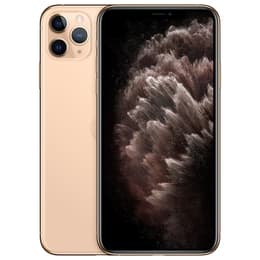
iPhone 11 Pro Max
iPhone 11 Pro Max
Starting at

Refurbished price:£181.00

Versus £749.00 new

See options
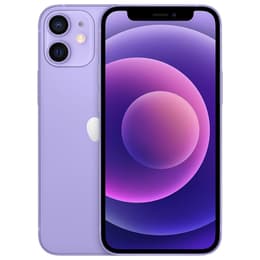
iPhone 12 mini
iPhone 12 mini
Starting at

Refurbished price:£126.00

Versus £579.00 new

See options

Ratings

The iPhone 11 Pro Max, released in 2019, and the iPhone 12 Mini, arriving in 2020, represent two very different philosophies in smartphone design. While the 11 Pro Max focuses on a large-scale experience with an expansive screen and long-lasting battery, the 12 Mini prioritises portability and modern connectivity in a compact frame. Both devices run the same iOS software, ensuring a familiar user experience across both generations, though their physical footprints and internal capabilities cater to distinct user needs.

Choosing between these two models involves weighing the benefits of a larger, more traditional flagship against a smaller, more modern device. The 11 Pro Max offers a professional-grade camera system and significant screen real estate, while the 12 Mini introduces a refreshed design language and faster network capabilities in a size that is increasingly rare in the current market.

Scores

Durability

The age gap between these two devices plays a significant role in their expected software support and physical resilience over the coming years.

  • Software Longevity: Since the iPhone 12 Mini was released a year after the 11 Pro Max, it is generally expected to receive iOS updates for at least one additional year. This makes it a slightly better option for users who prioritise having the latest software features and security patches for as long as possible.
  • Physical Construction: The 11 Pro Max features a stainless steel frame which provides a heavy, sturdy feel, whereas the 12 Mini uses a lighter aluminium frame. However, the 12 Mini introduced a toughened front cover technology, which offers improved protection against accidental drops compared to the glass used on the older model.
  • Repairability: Both smartphones follow a similar internal design logic, meaning that common repairs like screen or battery replacements are widely supported by professional technicians, helping to maintain their functional lifespan over several years.

Year of Release

2019

2020

Compatible with latest Update

Yes

Yes

OS

iOS

iOS

Foldable

No

No

Performance

While both devices handle daily tasks with ease, they differ significantly in how they manage power and multitasking over long periods of use.

  • Battery Endurance: The 11 Pro Max is designed for heavy users, featuring a large internal capacity that comfortably lasts through a full day of intensive use, including video streaming and navigation. In contrast, the 12 Mini has a much smaller battery due to its compact size, which may require a mid-day charge for those who use their phone frequently throughout the day.
  • System Responsiveness: The 12 Mini contains a newer generation of internal hardware that provides a slight edge in loading demanding applications and processing complex tasks like video editing. However, the 11 Pro Max remains highly responsive for standard multitasking, social media use, and web browsing.
  • Storage and Memory: Both models offer various storage capacities to house photos and apps, and both provide enough memory to keep several applications open simultaneously without frequent refreshing or lag.

Memory (GB)

4 GB

4 GB

Screen quality

The most immediate difference between these two smartphones is the scale and technology of their displays, which dictates how you interact with content.

  • Display Technology: Both devices utilise OLED technology, which ensures deep black levels, high contrast, and vibrant colours that make images and videos appear lifelike. This is a significant step up from older LCD screens, providing a more modern viewing experience on both models.
  • Screen Real Estate: The 11 Pro Max offers a 6.5-inch display, providing an immersive experience for watching movies, playing games, or editing documents. The 12 Mini features a 5.4-inch screen, which is much easier to navigate with one hand but offers less space for detailed content and text.
  • Clarity and Brightness: Both screens are designed to be legible in bright outdoor conditions. The 11 Pro Max has a slightly higher peak brightness which can be helpful when using the device under direct sunlight, while the 12 Mini offers a higher pixel density, making text appear very sharp.

Resolution

1242 x 2688

1080 x 2340

Screen type

Super Retina XDR OLED

Super Retina XDR OLED

Audiovisual

Photography and media consumption are handled differently by these two models, primarily due to the number of lenses and the software processing available.

  • Camera Versatility: The 11 Pro Max features a triple-lens system, including a dedicated telephoto lens for high-quality zoomed photos and portraits. The 12 Mini lacks this telephoto lens, instead relying on a dual-lens setup consisting of wide and ultra-wide sensors, which is better suited for landscapes and group shots.
  • Low-Light Performance: While both devices have a dedicated mode for night photography, the 12 Mini allows this feature to be used on all its cameras, including the front-facing one. The 11 Pro Max is slightly more limited in where it can apply its low-light processing, though its main sensor still performs admirably in dark settings.
  • Audio and Video: Both smartphones record high-quality 4K video with excellent stabilisation. The 11 Pro Max, with its larger body, houses speakers that produce a slightly fuller sound profile, which is noticeable when watching media without headphones.

Main camera

12 megapixels

12 megapixels

Front camera

12 megapixels

12 megapixels

Miscellaneous

Beyond the core specifications, the physical handling and connectivity options define the daily experience of using these two different generations.

  • Network Connectivity: A major differentiator is that the 12 Mini supports 5G networks, allowing for faster data speeds in areas with coverage. The 11 Pro Max is limited to 4G/LTE, which is still reliable for most tasks but lacks the future-readiness of the newer network standard.
  • Ergonomics and Weight: The 11 Pro Max is a substantial device that often requires two hands to operate comfortably and can feel heavy in a pocket. The 12 Mini is one of the smallest modern smartphones available, fitting easily into small pockets and being very light to hold for long periods.
  • Charging and Accessories: The 12 Mini introduced a magnetic system on the back for easy attachment of wireless chargers and other accessories. The 11 Pro Max uses standard wireless charging and the traditional Lightning port for all wired connections and data transfer.

Weight

226 g

135 g

Screen size (in)

6.5

5.4

Mobile network

4G

5G

SIM card

Physical SIM + eSIM

Physical SIM + eSIM

Carrier compatibility

Unlocked

Unlocked

Connector

Lightning

Lightning

User feedback for these two devices highlights a clear divide in priorities. Owners of the iPhone 11 Pro Max frequently praise its exceptional battery life and the versatility of the telephoto lens, though some find its weight and size cumbersome for daily carry. On the other hand, iPhone 12 Mini users often express appreciation for its compact size that allows for effortless one-handed use, while noting that the battery life is a significant trade-off that requires more careful management during busy days. Consensus suggests that the 11 Pro Max remains a workhorse for those who value screen size and endurance above all else, while the 12 Mini is a favourite for those who miss smaller phones.

Users who prioritise media consumption, long-distance photography, and a battery that can last through a long day will find the iPhone 11 Pro Max to be a well-suited companion. Conversely, users who prefer a lightweight, pocketable device that supports the latest network speeds and is easy to handle will likely lean toward the iPhone 12 Mini. Choosing a quality-assured refurbished option for either model is an eco-friendly alternative that provides a reliable experience while reducing electronic waste. Ultimately, the decision rests on whether you value the expansive, long-lasting nature of a larger device or the modern, compact efficiency of a smaller model. This sustainable choice ensures you receive a device that has been thoroughly checked for performance and longevity.

See all articles

Our recent comparisons