
Compare models

Google Pixel 10 Pro XL Vs iPhone 15 Plus

  • 1-year minimum warranty
  • Free delivery on all items
  • Free 30-day returns
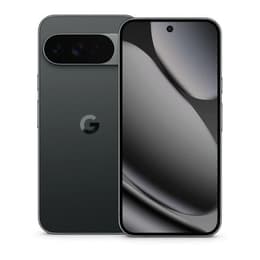
Google Pixel 10 Pro XL
Starting at

Refurbished price:£531.00

Versus £1,196.66 new

See options
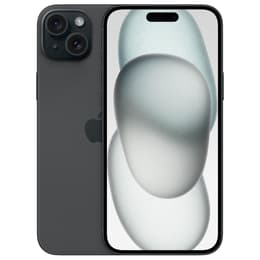
iPhone 15 Plus
Starting at

Refurbished price:£333.00

Versus £799.00 new

See options

Differences at a glance

The Google Pixel 10 Pro XL (2025) and the Apple iPhone 15 Plus (2023) represent large-format options within their respective smartphone families, each catering to users who prefer generous screen real estate. While the Pixel 10 Pro XL operates on Android and emphasizes advanced artificial intelligence capabilities alongside a high-refresh-rate screen, the iPhone 15 Plus runs on iOS and focuses on streamlined efficiency and long-standing software reliability. Both devices offer expansive displays and substantial battery capacities tailored to heavy daily use, but they approach hardware integration, software ecosystems, and daily feature sets from distinct perspectives.

Available Models

Colour

Storage

Scores

Durability

When evaluating the longevity and construction of these two large-screen smartphones, both models offer robust build qualities paired with multi-year update schedules, though their release years introduce differences in software support timelines.

  • Software Support and Updates: The Google Pixel 10 Pro XL benefits from a more recent release timeline and aligns with extended modern software maintenance commitments, while the iPhone 15 Plus operates on an established release cycle with a defined multi-year update window.
  • Repairability and Build: Both handsets utilize durable front glass protection paired with sturdy frame materials, and each manufacturer provides established repair ecosystems to support device longevity over years of daily handling.
  • Expected Practical Lifespan: Thanks to current-generation component choices and generous memory allocations, both devices are well-equipped to maintain responsive daily operation across several years of continuous use.

Year of Release

2025

2023

Compatible with latest Update

Yes

Yes

OS

Android

iOS

Foldable

No

No

Performance

Underneath the exterior, both devices manage multitasking, demanding applications, and routine daily tasks efficiently, though they utilize different hardware architectures to achieve their respective levels of system responsiveness.

  • Multitasking and App Handling: The Google Pixel 10 Pro XL features a large RAM allocation that keeps background applications active smoothly, whereas the iPhone 15 Plus leverages tightly integrated software and hardware to maintain steady execution across everyday apps.
  • Storage Configurations: Both devices offer multiple internal storage tiers starting from generous baseline capacities, allowing users to select configurations that accommodate large media libraries and heavy document storage without running short on space.
  • Battery Behavior: The high-capacity power cells housed inside both chassis deliver reliable energy through a full day of standard mixed usage, though charging speeds and daily power management profiles vary between the two platforms.

Screen quality

Display technology is a primary focal point for both oversized smartphones, delivering expansive viewing areas suited for media consumption, reading, and navigation.

  • Display Technology and Clarity: Both handsets employ vibrant OLED panels with sharp resolutions that render text crisply and reproduce deep contrast levels for photos and video content.
  • Brightness and Outdoor Visibility: High peak brightness levels on both screens allow content to remain legible under direct sunlight, ensuring comfortable outdoor usability regardless of the chosen model.
  • Refresh Rates and Smoothness: The Google Pixel 10 Pro XL features a high adaptive refresh rate reaching up to 120Hz for fluid scrolling, while the iPhone 15 Plus utilizes a standard 60Hz refresh rate focused on consistent visual stability.

Resolution

1344x2992

1290 x 2796

Audiovisual

Optics and multimedia performance differ structurally between the two devices, offering distinct configurations for capturing everyday moments and consuming audio-visual media.

  • Camera System Setup: The Google Pixel 10 Pro XL incorporates a versatile triple-lens rear array including a dedicated telephoto zoom lens, whereas the iPhone 15 Plus relies on a dual-lens system combining a high-resolution main sensor with an ultra-wide option.
  • Low-Light and Video Recording: Both models process low-light scenes effectively using computational enhancements, and each provides stable high-definition video capture with clear audio input from built-in microphone arrays.
  • Media and Audio Output: Stereo speaker configurations on both devices deliver balanced sound output for hands-free calls, casual video viewing, and music playback without requiring external speakers.

Front camera

42 megapixels

12 megapixels

Miscellaneous

Practical everyday features, connectivity standards, and physical dimensions shape how each device fits into a user's daily routine and travel habits.

  • Connectivity and Ports: Both handsets support modern 5G cellular networks, rapid Wi-Fi standards, and utilize universal USB-C ports for charging and wired data transfers.
  • Biometrics and Security: The Google Pixel 10 Pro XL provides an under-display fingerprint sensor alongside facial recognition, while the iPhone 15 Plus utilizes secure facial recognition housed within its display cutout.
  • Physical Handling: Despite housing similarly sized large screens, slight variations in weight, corner curvature, and frame dimensions influence how each device rests in the hand or pocket during extended use.

Weight

232 g

201 g

Screen size (in)

6.8

6.7

Mobile network

5G

5G

SIM card

Physical SIM + eSIM

Physical SIM + eSIM

Carrier compatibility

Unlocked

Unlocked

Connector

USB-C

USB-C

What the community thinks

Users seeking a large-screen smartphone experience will find distinct advantages in both options, depending on their preferred software ecosystem and hardware priorities. Users prioritizing deep customization, advanced artificial intelligence assistance, and a high-refresh-rate display will find the Google Pixel 10 Pro XL well-suited to their workflow. Conversely, users valuing streamlined software consistency, straightforward operation, and the integrated Apple environment will lean toward the iPhone 15 Plus. For those exploring sustainable purchasing habits, a quality-assured refurbished option provides an eco-friendly alternative that reduces electronic waste while delivering these high-end capabilities. Ultimately, the choice rests on whether an Android or iOS environment better complements your daily digital routine.


Our recent comparisons