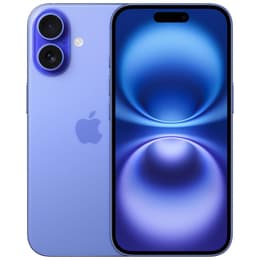
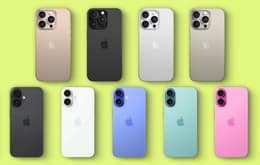
iPhone 15 Plus Vs iPhone 16

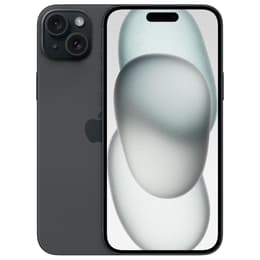
iPhone 15 Plus
iPhone 15 Plus
Starting at

Refurbished price:£345.00

Versus £799.00 new

See options
iPhone 16
iPhone 16
Starting at

Refurbished price:£484.00

Versus £699.00 new

See options

Ratings

The iPhone 15 Plus, released in September 2023, and the iPhone 16, launched in September 2024, represent two consecutive generations of Apple's smartphone lineup. While both devices operate on Apple's iOS platform and share a similar design philosophy, the iPhone 16 introduces a more advanced processor, enhanced camera capabilities, and improved repairability compared to its predecessor. The primary distinction lies in their physical size, with the iPhone 15 Plus offering a larger display and battery, while the iPhone 16 provides a more compact form factor with newer internal components.

Scores

Durability

When considering the long-term usability of these devices, both the iPhone 15 Plus and iPhone 16 are designed for extended software support and physical resilience.

  • Software Longevity: The iPhone 15 Plus, having been released in 2023, shipped with iOS 17 and currently supports iOS 18. It is expected to receive major iOS updates for several more years, typically around five to six years from its release. The iPhone 16, being a year newer and launching with iOS 18, will benefit from an additional year of software support, extending its functional lifespan further into the future.
  • Physical Durability: Both models feature a Ceramic Shield front cover and an IP68 rating for dust and water resistance, allowing submersion up to 6 meters for 30 minutes. However, the iPhone 16 introduces significant improvements in repairability, with a design that allows access to internal components from both the front and back, making common repairs like battery swaps easier. This enhanced repairability contributes to a potentially longer practical lifespan by simplifying maintenance.
  • Expected Lifespan: Users prioritizing the absolute longest software support and easier potential repairs may find the iPhone 16 more appealing, while the iPhone 15 Plus still offers a robust and durable experience with many years of updates ahead.

Year of Release

2023

2024

Compatible with latest Update

Yes

Yes

Foldable

No

No

Performance

Both the iPhone 15 Plus and iPhone 16 deliver strong performance for daily tasks, though the newer model incorporates a more advanced processing unit.

  • Processing Power: The iPhone 15 Plus is equipped with a capable processing unit that handles demanding applications and multitasking smoothly, ensuring a responsive user experience for gaming, video editing, and everyday navigation. The iPhone 16 features a next-generation processing unit, offering incremental improvements in speed and efficiency, particularly optimized for advanced computational tasks and future software features like Apple Intelligence.
  • System Responsiveness: For typical usage, both devices offer quick app loading times and fluid transitions. The iPhone 16's newer chip provides a slight edge in handling very intensive workloads or future applications that leverage its enhanced neural engine capabilities. Users upgrading from much older devices will notice a significant performance boost with either model.
  • Storage and Multitasking: Both phones are available with various storage options, typically ranging from 128GB to 512GB, providing ample space for apps, photos, and videos. The internal memory configurations are sufficient for efficient multitasking, allowing users to switch between multiple open applications without noticeable slowdowns.

Memory (GB)

6 GB

8 GB

Screen quality

The display experience on the iPhone 15 Plus and iPhone 16 offers vibrant visuals, though they differ in size and some subtle characteristics.

  • Display Technology and Clarity: Both devices feature Super Retina XDR OLED displays, providing deep blacks, high contrast ratios (2,000,000:1 typical), and vibrant colors. The resolution on both is sharp, with approximately 460 pixels per inch, ensuring text and images appear clear and detailed.
  • Brightness and Viewing Experience: Both models achieve a typical maximum brightness of 1000 nits, with peak HDR brightness reaching 1600 nits and peak outdoor brightness up to 2000 nits, ensuring good visibility even in bright sunlight. The iPhone 16 also introduces a minimum brightness of 1 nit, which can be beneficial for comfortable viewing in very dark environments.
  • Size and Refresh Rate: The iPhone 15 Plus features a larger 6.7-inch display, offering a more expansive viewing area for media consumption and productivity. The iPhone 16 has a more compact 6.1-inch display. Both devices maintain a standard 60Hz refresh rate, which provides a smooth experience for most users, though it does not offer the adaptive high refresh rates found in Pro models.

Resolution

1290 x 2796

1179 x 2556

Screen type

Super Retina XDR OLED

Super Retina XDR OLED

Audiovisual

Both the iPhone 15 Plus and iPhone 16 offer capable camera systems for capturing photos and videos, with the newer model bringing some refinements.

  • Main Camera System: Both phones feature a 48-megapixel main camera with a wide aperture and sensor-shift optical image stabilization, capable of capturing detailed photos in various lighting conditions. This main sensor also enables a 2x telephoto option by cropping the high-resolution sensor, providing optical-quality zoom.
  • Ultra Wide and Front Camera: The iPhone 15 Plus includes a 12-megapixel ultra-wide camera with a 120-degree field of view. The iPhone 16 upgrades its 12-megapixel ultra-wide camera with a wider aperture (f/2.2 vs f/2.4) for improved low-light performance and introduces macro photography capabilities. Both devices feature a 12-megapixel front camera with autofocus, suitable for clear selfies and video calls.
  • Video Recording and Features: Both models support 4K Dolby Vision video recording at up to 60 frames per second, along with Cinematic mode for depth-of-field effects. The iPhone 16 also features a vertical camera arrangement on the rear, a design change from the diagonal setup on the iPhone 15 Plus.

Main camera

48 megapixels

48 megapixels

Front camera

12 megapixels

12 megapixels

Miscellaneous

Beyond core features, several practical elements differentiate the iPhone 15 Plus and iPhone 16, impacting daily interaction and connectivity.

  • Connectivity Standards: Both devices support 5G cellular connectivity, Ultra-Wideband (UWB), and Bluetooth 5.3. The iPhone 16, however, upgrades its Wi-Fi capabilities to Wi-Fi 7, offering potentially faster and more stable wireless internet connections compared to the iPhone 15 Plus's Wi-Fi 6.
  • Ports and Controls: Both models have transitioned to a USB-C port for charging and data transfer, aligning with modern standards. The iPhone 15 Plus retains the traditional mute switch, while the iPhone 16 introduces the customizable Action Button, allowing users to quickly access various functions. The iPhone 16 also adds a dedicated Camera Control button for enhanced photography interaction.
  • Design and Sensors: The iPhone 15 Plus is a larger device, weighing 201 grams with dimensions of 160.9 x 77.8 x 7.8 mm. The iPhone 16 is more compact and lighter at 170 grams, with dimensions of 147.6 x 71.6 x 7.8 mm. Both include essential sensors like Face ID for secure authentication, accelerometers, gyroscopes, barometers, and ambient light sensors.

Weight

201 g

170 g

Screen size (in)

6.7

6.1

Mobile network

5G

5G

SIM card

Physical SIM + eSIM

Physical SIM + eSIM

Carrier compatibility

Unlocked

Unlocked

Connector

USB-C

USB-C (USB 2)

The iPhone 15 Plus and iPhone 16 cater to slightly different user preferences, primarily concerning size, newer features, and long-term considerations.

Users often praise the iPhone 15 Plus for its excellent battery life and large display, making it suitable for those who consume a lot of media or prefer a more expansive screen for daily tasks. Its performance is generally considered robust for most applications, and the camera system delivers high-quality results. Some common criticisms include its 60Hz display and the USB 2.0 data transfer speeds over USB-C, which are not as fast as Pro models.

The iPhone 16, while having a smaller display and battery than the 15 Plus, is lauded for its incremental performance improvements, enhanced camera capabilities like macro photography on the ultra-wide lens, and the introduction of the Action Button and Camera Control button, which add versatility. Its significantly improved repairability is also a notable advantage for users concerned with device longevity and maintenance. However, like the 15 Plus, the standard 60Hz refresh rate remains a point of contention for some users.

Users prioritizing a larger screen and extended battery life may find the iPhone 15 Plus well-suited to their needs. Conversely, those who prefer a more compact device with the latest processing power, improved camera features, and enhanced repairability, along with the convenience of the Action Button, may lean toward the iPhone 16. Both devices offer a reliable and feature-rich smartphone experience, and choosing a quality-assured refurbished option for either model can provide an eco-friendly alternative for consumers.
See all articles

Our recent comparisons