iPhone 12 mini Vs iPhone 13

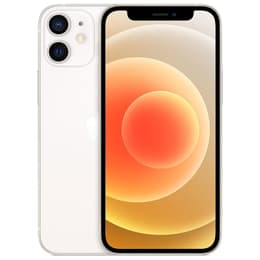
iPhone 12 mini
iPhone 12 mini
Starting at

Refurbished price:£126.00

Versus £579.00 new

See options
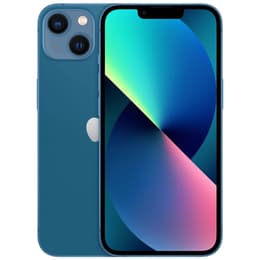
iPhone 13
iPhone 13
Starting at

Refurbished price:£204.00

Versus £599.00 new

See options

Ratings

The iPhone 12 Mini, released in November 2020, and the iPhone 13, launched in September 2021, represent two distinct approaches within Apple's smartphone lineup. While both devices operate on Apple's iOS ecosystem and share a similar design language, the iPhone 13 offers a larger display and introduces enhancements in processing power and camera capabilities compared to its compact predecessor.

Scores

Durability

When considering the longevity of these devices, both the iPhone 12 Mini and iPhone 13 benefit from Apple's consistent software support, though their respective release dates impact their remaining update cycles.

  • Software Support: The iPhone 12 Mini, released in late 2020, is expected to receive iOS updates for approximately 5-6 years from its launch. The iPhone 13, being a year newer (released September 2021), will likely benefit from an additional year of major software updates, extending its functional lifespan.
  • Physical Durability: Both models feature Apple's Ceramic Shield front cover, which significantly enhances drop performance compared to older iPhone models. Drop tests indicated that the iPhone 12 Mini's screen proved resilient, though the back glass and camera lenses could still be susceptible to damage. The iPhone 13 demonstrated comparable durability to the iPhone 12 series in drop tests.
  • Repairability: The iPhone 12 Mini received a repairability score of 6 out of 10 from iFixit, noting that display and battery repairs are relatively straightforward. The iPhone 13 initially scored lower due to complexities with Face ID after screen replacement, but an iOS update later improved its repairability to a similar level.

Year of Release

2020

2021

Compatible with latest Update

Yes

Yes

OS

iOS

iOS

Foldable

No

No

Performance

Both the iPhone 12 Mini and iPhone 13 deliver robust performance for daily tasks, but the newer model incorporates an updated processor for enhanced efficiency and speed.

  • Processing Power: The iPhone 12 Mini is equipped with a capable processor that handles demanding applications and multitasking smoothly. The iPhone 13 features a next-generation processor, offering incremental improvements in overall speed and graphical performance, which can be noticeable in more intensive applications and games.
  • Multitasking and Responsiveness: Both devices come with 4GB of RAM, providing a fluid experience for switching between apps and managing multiple processes simultaneously. Users can expect quick app loading times and responsive interactions on both models.
  • Battery Behavior: The iPhone 12 Mini, due to its compact size, has a smaller battery capacity, which can lead to more frequent charging for heavy users. The iPhone 13 offers a notable improvement in battery life, providing extended usage on a single charge, making it better suited for users who require longer endurance throughout the day.
  • Storage Options: The iPhone 12 Mini was available with 64GB, 128GB, or 256GB of internal storage. The iPhone 13 starts with a larger base storage of 128GB, with options for 256GB and 512GB, offering more space for apps, photos, and videos.

Memory (GB)

4 GB

4 GB

Screen quality

Both smartphones feature high-quality OLED displays, providing vibrant visuals, though the iPhone 13 offers a larger viewing area and slightly improved brightness.

  • Display Technology and Clarity: Both the iPhone 12 Mini and iPhone 13 utilize Super Retina XDR OLED displays, delivering deep blacks, high contrast, and vibrant colors. The pixel density on the 5.4-inch iPhone 12 Mini is slightly higher at 476 ppi compared to the 6.1-inch iPhone 13's 460 ppi, though this difference is not typically discernible in everyday use.
  • Brightness and Outdoor Visibility: The iPhone 12 Mini offers good brightness for various lighting conditions. The iPhone 13 features a brighter display, particularly in outdoor settings, which can enhance visibility under direct sunlight.
  • Screen Size and Refresh Rate: The iPhone 12 Mini's 5.4-inch display is ideal for one-handed use and those preferring a compact device. The iPhone 13 provides a larger 6.1-inch screen, offering a more expansive viewing experience for media consumption and productivity. Both models feature a standard 60Hz refresh rate.

Resolution

1080 x 2340

1170 x 2532

Screen type

Super Retina XDR OLED

Super Retina XDR OLED

Audiovisual

Both devices offer capable dual-camera systems, but the iPhone 13 introduces several advancements that enhance photography and videography.

  • Rear Camera System: Both phones feature a dual 12-megapixel camera system with a wide and an ultrawide lens. The iPhone 13's main wide camera has a larger sensor and sensor-shift optical image stabilization (OIS), which was previously exclusive to the iPhone 12 Pro Max. This results in improved low-light performance and sharper images, even when there's slight movement.
  • Photography Features: The iPhone 13 benefits from enhanced computational photography features, including Photographic Styles and a more capable Night mode across all cameras. While the iPhone 12 Mini also has Night mode, the iPhone 13 generally captures more detailed and better-balanced images in dim environments.
  • Video Recording: Both models support 4K video recording at up to 60 frames per second. The iPhone 13 introduces Cinematic Mode, which allows for a shallow depth of field effect with automatic focus transitions, adding a professional touch to videos. Both can record Dolby Vision HDR video, with the iPhone 12 Mini supporting it up to 30fps, and the iPhone 13 offering it at 60fps.
  • Front Camera: Both devices feature a 12-megapixel front-facing camera that supports Night mode and 4K video recording.

Main camera

12 megapixels

12 megapixels

Front camera

12 megapixels

12 megapixels

Miscellaneous

Beyond core features, several practical elements differentiate the user experience and handling of these two iPhone models.

  • Connectivity: Both the iPhone 12 Mini and iPhone 13 support 5G cellular connectivity, Wi-Fi 6, and Bluetooth 5, ensuring fast and reliable wireless communication.
  • Physical Design and Handling: The iPhone 12 Mini is significantly smaller and lighter, measuring 131.5 x 64.2 x 7.4 mm and weighing 133g, making it highly pocketable and ideal for one-handed use. The iPhone 13 is larger and slightly heavier at 146.7 x 71.5 x 7.65 mm and 174g, offering a more substantial feel and a larger screen without being overly cumbersome. Both feature flat edges and an aluminum frame.
  • Charging and Ports: Both models utilize the Lightning port for charging and data transfer and support MagSafe wireless charging. Neither device includes a traditional 3.5mm headphone jack.
  • Biometric Security: Both phones rely on Face ID for secure facial recognition and authentication.

Weight

135 g

173 g

Width

6,42 cm

7,15 cm

Height

13,15 cm

13,676 cm

Depth

0,74 cm

0,75 cm

Screen size (in)

5.4

6.1

Mobile network

5G

5G

SIM card

Physical SIM + eSIM

Physical SIM + eSIM

Carrier compatibility

Unlocked

Unlocked

Connector

Lightning

Lightning

The iPhone 12 Mini and iPhone 13 cater to slightly different user preferences, primarily concerning device size and the balance between portability and features. Users frequently praise the iPhone 12 Mini for its exceptionally compact form factor, making it comfortable for one-handed operation and easy pocketability. However, a common criticism often points to its battery life, which, while adequate for moderate use, may require more frequent charging for heavy users.

The iPhone 13, on the other hand, is generally lauded for its significantly improved battery life, offering a full day of use for most individuals. Its enhanced camera system, particularly the low-light performance and the addition of Cinematic Mode, also receives positive feedback. Some users, however, might find its larger size a slight departure from the ultra-compact experience of the Mini.

Ultimately, the choice between these two devices hinges on individual priorities. Users who value an extremely small and lightweight phone for maximum portability and comfortable one-handed use, and who are moderate phone users, may find the iPhone 12 Mini well-suited to their needs. Conversely, those who prioritize longer battery endurance, a larger display for media and productivity, and more advanced camera capabilities will likely lean towards the iPhone 13. Both models offer a reliable iOS experience and can be excellent choices, especially when considering quality-assured refurbished options as an eco-friendly alternative.
See all articles

Our recent comparisons