iPhone 13 Pro Vs iPhone SE (2020)

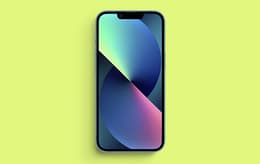
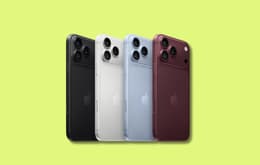
iPhone 13 Pro
iPhone 13 Pro
Starting at

Refurbished price:£232.00

Versus £949.00 new

See options
iPhone SE (2020)
iPhone SE (2020)
Starting at

Refurbished price:£67.00

Versus £289.00 new

See options

Ratings

The iPhone 13 Pro (2021) and the iPhone SE 2020 (2020) are two distinct smartphones from Apple, catering to different user preferences. While the iPhone 13 Pro offers a more advanced feature set with a focus on display technology and camera capabilities, the iPhone SE 2020 provides a compact form factor and a traditional user experience. Both devices operate on Apple's iOS platform, ensuring a consistent software ecosystem.

Scores

Durability

When considering the practical lifespan of these devices, several factors come into play, including their release dates and expected software support.

  • Release Timeline: The iPhone 13 Pro was released in September 2021, making it a newer device compared to the iPhone SE 2020, which launched in April 2020. This difference in release year directly impacts their respective software support windows.
  • Software Longevity: Apple typically provides iOS updates for its devices for approximately five to six years from their release. Given its later launch, the iPhone 13 Pro is expected to receive software updates for a longer period than the iPhone SE 2020, extending its functional lifespan for users who prioritize the latest software features and security patches. The iPhone SE 2020 originally shipped with iOS 13.4 and has received updates up to iOS 26, while the iPhone 13 Pro shipped with iOS 15 and also supports iOS 26.
  • Durability and Repairability: Both models feature glass fronts and backs, with the iPhone 13 Pro incorporating Ceramic Shield for enhanced front cover durability and a stainless steel frame, while the iPhone SE 2020 uses an aluminum frame. The iPhone 13 Pro also boasts an IP68 rating for water and dust resistance, allowing submersion up to 6 meters for 30 minutes, whereas the iPhone SE 2020 has an IP67 rating, supporting submersion up to 1 meter for 30 minutes.

Year of Release

2021

2020

Compatible with latest Update

Yes

Yes

OS

iOS

iOS

Foldable

No

No

Performance

The performance of a smartphone is crucial for daily tasks, from launching applications to managing multiple processes simultaneously.

  • Processing Power: The iPhone 13 Pro is equipped with a more advanced processor, which translates to smoother operation and faster handling of demanding applications and games. The iPhone SE 2020, while still capable, uses an earlier generation processor. Users upgrading from older devices will notice a significant improvement in responsiveness with either model, but the 13 Pro offers more headroom for future software and applications.
  • Multitasking and Responsiveness: The iPhone 13 Pro generally offers more RAM, contributing to a more fluid multitasking experience and quicker app switching without needing to reload content. The iPhone SE 2020, with less RAM, may occasionally show slight delays when juggling many active applications.
  • Battery Behavior: The iPhone 13 Pro features a larger battery capacity, providing extended usage times. It is rated for up to 22 hours of video playback, compared to the iPhone SE 2020's up to 13 hours of video playback. This means the iPhone 13 Pro can typically last longer on a single charge, especially for users with heavy usage patterns.

Memory (GB)

6 GB

3 GB

Screen quality

The display is a primary interface for smartphone interaction, and there are notable differences in the screen technology and viewing experience offered by these two iPhones.

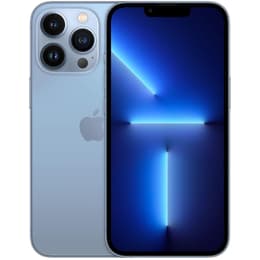
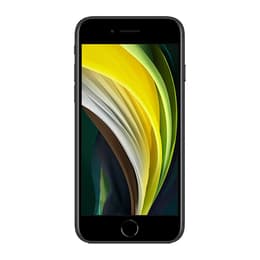
  • Display Technology and Clarity: The iPhone 13 Pro features a 6.1-inch Super Retina XDR OLED display, offering deep blacks, vibrant colors, and a high contrast ratio. In contrast, the iPhone SE 2020 has a 4.7-inch Retina HD IPS LCD display, which provides good color accuracy but does not match the contrast and black levels of an OLED panel. The 13 Pro's resolution is 2532 x 1170 pixels at 460 ppi, while the SE 2020 has 1334 x 750 pixels at 326 ppi, meaning the 13 Pro offers a sharper image.
  • Brightness and Refresh Rate: The iPhone 13 Pro's display can reach a typical brightness of 1000 nits and a peak HDR brightness of 1200 nits, making it highly visible even in bright outdoor conditions. The iPhone SE 2020 has a maximum brightness of 625 nits. A key differentiator for the 13 Pro is its ProMotion technology, which provides an adaptive refresh rate ranging from 10Hz to 120Hz, resulting in smoother scrolling and more fluid animations. The iPhone SE 2020 has a standard 60Hz refresh rate.
  • Screen Size and Viewing Experience: The iPhone 13 Pro offers a larger 6.1-inch edge-to-edge display, providing a more immersive viewing experience for media consumption and gaming. The iPhone SE 2020's smaller 4.7-inch display with thicker bezels and a physical home button offers a more traditional iPhone aesthetic and a compact feel.

Resolution

1170 x 2532

750 x 1334

Screen type

Super Retina XDR OLED

Retina IPS LCD

Audiovisual

The camera systems on both iPhones are designed to capture high-quality images and videos, but they differ significantly in their capabilities and features.

  • Rear Camera System: The iPhone 13 Pro features a versatile triple 12MP camera system, including Wide, Ultra Wide, and Telephoto lenses, along with a LiDAR Scanner for improved depth sensing and low-light performance. This allows for optical zoom, macro photography, and enhanced Night mode capabilities across all lenses. The iPhone SE 2020 has a single 12MP Wide camera, which performs well in good lighting conditions but lacks the versatility and advanced features of the 13 Pro's multi-lens setup.
  • Photography and Video Features: The iPhone 13 Pro offers advanced computational photography features like Cinematic mode for video with shallow depth of field, ProRes video recording, and Photographic Styles. Its Night mode is highly effective for capturing details in low-light environments. The iPhone SE 2020 supports Portrait Mode for both front and rear cameras through software, and can record 4K video at up to 60fps, but it does not include Night mode or the more advanced video capabilities found in the 13 Pro.
  • Front Camera and Audio: The iPhone 13 Pro has a 12MP TrueDepth front camera with features like Night mode selfies and Cinematic mode. The iPhone SE 2020 has a 7MP front camera that supports Portrait Mode. Both phones offer stereo audio recording for videos and good speaker output for media consumption.

Main camera

12 megapixels

12 megapixels

Front camera

12 megapixels

7 megapixels

Miscellaneous

Beyond core performance and display, several other features contribute to the overall user experience and practical utility of these devices.

  • Connectivity and Ports: The iPhone 13 Pro supports 5G connectivity, offering faster cellular data speeds in compatible areas, alongside Wi-Fi 6 and Bluetooth 5.0. The iPhone SE 2020 supports Gigabit LTE, Wi-Fi 6, and Bluetooth 5.0, providing fast and reliable wireless connections, though it lacks 5G capability. Both devices utilize the Lightning port for charging and data transfer.
  • Biometric Authentication: The iPhone 13 Pro uses Face ID for secure facial recognition and unlocking. The iPhone SE 2020 features Touch ID, integrated into its physical home button, for fingerprint-based authentication.
  • Design and Handling: The iPhone 13 Pro has a more modern, larger design with a 6.1-inch screen, weighing 204 grams. Its build includes a stainless steel frame and a textured matte glass back. The iPhone SE 2020 is more compact and lighter at 148 grams, with a 4.7-inch screen and an aluminum frame, appealing to users who prefer a smaller device with a traditional home button.

Weight

203 g

148 g

Screen size (in)

6.1

4.7

Mobile network

5G

4G

SIM card

Physical SIM + eSIM

Physical SIM + eSIM

Carrier compatibility

Unlocked

Unlocked

Connector

Lightning

Lightning

User sentiment often highlights the iPhone 13 Pro for its advanced camera system, particularly its low-light performance, cinematic video capabilities, and the versatility offered by its multiple lenses. Users also frequently praise its vibrant ProMotion OLED display for its smoothness and brightness, and its extended battery life is a common positive point. Some criticisms might revolve around its larger size and weight compared to more compact options.

The iPhone SE 2020 is often lauded by users for its familiar design, including the physical home button with Touch ID, and its compact form factor, which many find comfortable for one-handed use. Its performance, driven by a capable processor, is generally well-regarded for everyday tasks. Common concerns for the SE 2020 include its smaller, less advanced LCD display and its single camera system, which, while good, lacks the features of newer, more premium models. The absence of Night mode and 5G connectivity are also noted by some users.

Users prioritizing a cutting-edge camera system, a large and fluid display, and longer battery life will find the iPhone 13 Pro well-suited to their needs. Its advanced features make it ideal for photography enthusiasts, content creators, and those who consume a lot of media on their device. Conversely, users who prefer a compact design, the familiarity of Touch ID, and a device that handles everyday tasks efficiently without needing the latest photographic or display technologies may lean toward the iPhone SE 2020. Both devices offer a reliable iOS experience, and choosing a quality-assured refurbished option can be an eco-friendly alternative for either model.
See all articles

Our recent comparisons