iPhone 14 Pro Max Vs iPhone 16e

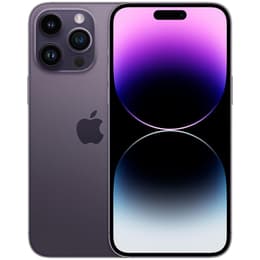
iPhone 14 Pro Max
iPhone 14 Pro Max
Starting at

Refurbished price:£327.00

Versus £1,199.00 new

See options
iPhone 16e
iPhone 16e
Starting at

Refurbished price:£359.00

Versus £599.00 new

See options

Ratings

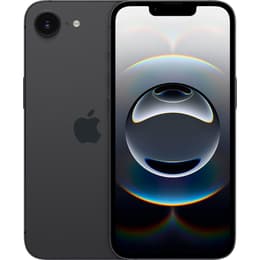
The iPhone 14 Pro Max, released in late 2022, and the iPhone 16e, launched in early 2026, represent two distinct approaches to the modern smartphone experience. While the iPhone 14 Pro Max was designed as a high-end flagship with a focus on professional-grade photography and a large-format display, the iPhone 16e serves as a more recent entry-level model that prioritises modern internal hardware and a more compact form factor. Both devices operate on the iOS ecosystem, though the iPhone 16e benefits from being built for the latest software features introduced in the mid-2020s.

Choosing between these two involves weighing the benefits of a larger, more advanced screen and versatile camera system against the advantages of a newer processor and longer-term software support. This comparison explores how these differences impact daily use for different types of users, from mobile professionals to casual social media browsers.

Scores

Durability

The age gap between these two devices significantly influences their expected lifespan and the duration of software support they will receive from the manufacturer.

  • Software Longevity: As a 2026 release, the iPhone 16e is expected to receive official iOS updates for several years beyond the iPhone 14 Pro Max. Users who intend to keep their device for five years or more will find the newer model more likely to remain compatible with the latest apps and security patches.
  • Build and Repairability: The iPhone 14 Pro Max features a stainless steel frame which offers high structural rigidity, while the iPhone 16e uses a lighter aluminium chassis. Both models benefit from internal design improvements that make screen and battery replacements more straightforward than in older generations.
  • Sustainable Choice: For those looking to balance longevity with environmental impact, selecting a quality-assured refurbished option like the iPhone 14 Pro Max allows users to access high-end hardware while extending the lifecycle of an existing device.

Year of Release

2022

2025

OS

iOS

iOS

Foldable

No

No

Performance

While both devices provide a smooth and responsive experience, their internal components are optimised for different priorities based on their respective release years.

  • System Responsiveness: The iPhone 16e contains newer internal architecture designed to handle the most demanding modern applications and multitasking requirements with high efficiency. This ensures that the interface remains fluid even when running resource-heavy software or the latest system-wide features.
  • Daily Multitasking: The iPhone 14 Pro Max, despite being older, was built with high-performance standards that allow it to handle intensive tasks like video editing and gaming without significant slowdown. It remains highly capable for users who frequently switch between multiple professional apps.
  • Battery and Efficiency: The iPhone 14 Pro Max relies on its physically larger battery to provide long runtimes, making it suitable for users who are away from chargers for extended periods. In contrast, the iPhone 16e uses more modern, power-efficient internals to achieve reliable daily battery life despite its smaller physical footprint.

Memory (GB)

6 GB

8 GB

Screen quality

The viewing experience is one of the most significant points of divergence between these two models, affecting everything from outdoor visibility to the smoothness of animations.

  • Display Technology: The iPhone 14 Pro Max features a 6.7-inch display with advanced refresh rate technology that adjusts up to 120Hz. This results in much smoother scrolling and more responsive touch input compared to the standard 60Hz display found on the iPhone 16e.
  • Outdoor Visibility: With a higher peak brightness, the iPhone 14 Pro Max remains easier to read under direct sunlight. It also features an always-on display capability, allowing users to check the time and notifications at a glance without waking the device.
  • Size and Clarity: The iPhone 16e offers a 6.1-inch screen which is more manageable for one-handed use. While it lacks the high refresh rate of the Pro model, it still provides a sharp, vibrant OLED experience that is well-suited for watching videos and browsing the web.

Resolution

1290 x 2796

2532x1170

Audiovisual

Photography enthusiasts will notice a clear distinction in versatility and hardware capabilities when comparing these two camera systems.

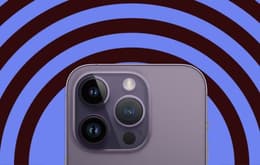
  • Lens Versatility: The iPhone 14 Pro Max is equipped with a triple-lens system, including a dedicated telephoto lens for 3x optical zoom and an ultra-wide lens. This allows for a broader range of shots, from distant subjects to wide landscapes, which the single or dual-lens setup of the iPhone 16e cannot match.
  • Low-Light Performance: Thanks to a larger main sensor and specialised sensors for depth sensing, the iPhone 14 Pro Max excels in night photography and portrait mode. It captures more detail in challenging lighting conditions and provides more natural background blur.
  • Video and Audio: Both devices record high-quality 4K video with excellent stabilisation. However, the iPhone 14 Pro Max includes more advanced recording formats and a microphone array designed for clearer audio capture during professional-style filming.

Front camera

12 megapixels

TrueDepth 12MP

Miscellaneous

Practical considerations such as physical dimensions and connectivity standards play a vital role in how these devices fit into a user's daily routine.

  • Physical Handling: The iPhone 14 Pro Max is a substantial device, weighing significantly more than the iPhone 16e. Users who prefer a lightweight phone that fits easily into small pockets will find the 16e much more comfortable for long-term use.
  • Connection Standards: A major shift between these generations is the port type; the iPhone 14 Pro Max uses the older Lightning connector, while the iPhone 16e features the more universal USB-C port. This makes the 16e more compatible with modern charging cables used for laptops and other electronics.
  • Biometrics and Sensors: Both devices utilise secure facial recognition for unlocking and payments. The iPhone 16e, however, includes newer wireless standards like Wi-Fi 7 and improved 5G components, ensuring faster and more stable internet connections in supported areas.

Weight

120 g

167 g

Screen size (in)

6.7

6.1

Mobile network

5G

5G

SIM card

Physical SIM + eSIM

eSIM

Carrier compatibility

Unlocked

Unlocked

Connector

Lightning

USB-C

In summary, the choice between the iPhone 14 Pro Max and the iPhone 16e depends largely on whether a user values premium hardware features or modern internal efficiency. User feedback on community forums suggests that the iPhone 14 Pro Max remains a favourite for those who prioritise a large, fluid screen and a versatile camera system. Common praise points include its exceptional battery endurance and the professional feel of the stainless steel build. However, some users find its weight and size cumbersome for daily carry.

The iPhone 16e is often highlighted by users who prefer a more compact and lightweight smartphone that doesn't compromise on processing power. While it lacks the advanced zoom and high refresh rate of the Pro Max, it is praised for its modern USB-C connectivity and the peace of mind that comes with a newer release date and longer software support. For many, the simplicity and ease of one-handed use are its strongest selling points.

Users who frequently consume media, play high-end games, or take a variety of photos will likely find the iPhone 14 Pro Max better suited to their needs. Conversely, those who want a reliable, future-proof device for standard daily tasks and value a more portable design should lean toward the iPhone 16e. Opting for a sustainable choice through a quality-assured refurbished model can provide access to the Pro Max's premium features while supporting a more circular electronics economy. Ultimately, both devices offer a high-quality iOS experience tailored to different priorities.

See all articles

Our recent comparisons